Grand Egyptian Museum Partially Opens Amid Anticipation for Tutankhamun Gallery
-
 Loading...
 - Liam Bakker
- 23 Oct 2024
- 55 Views
- 0 Like
- 0 Comment
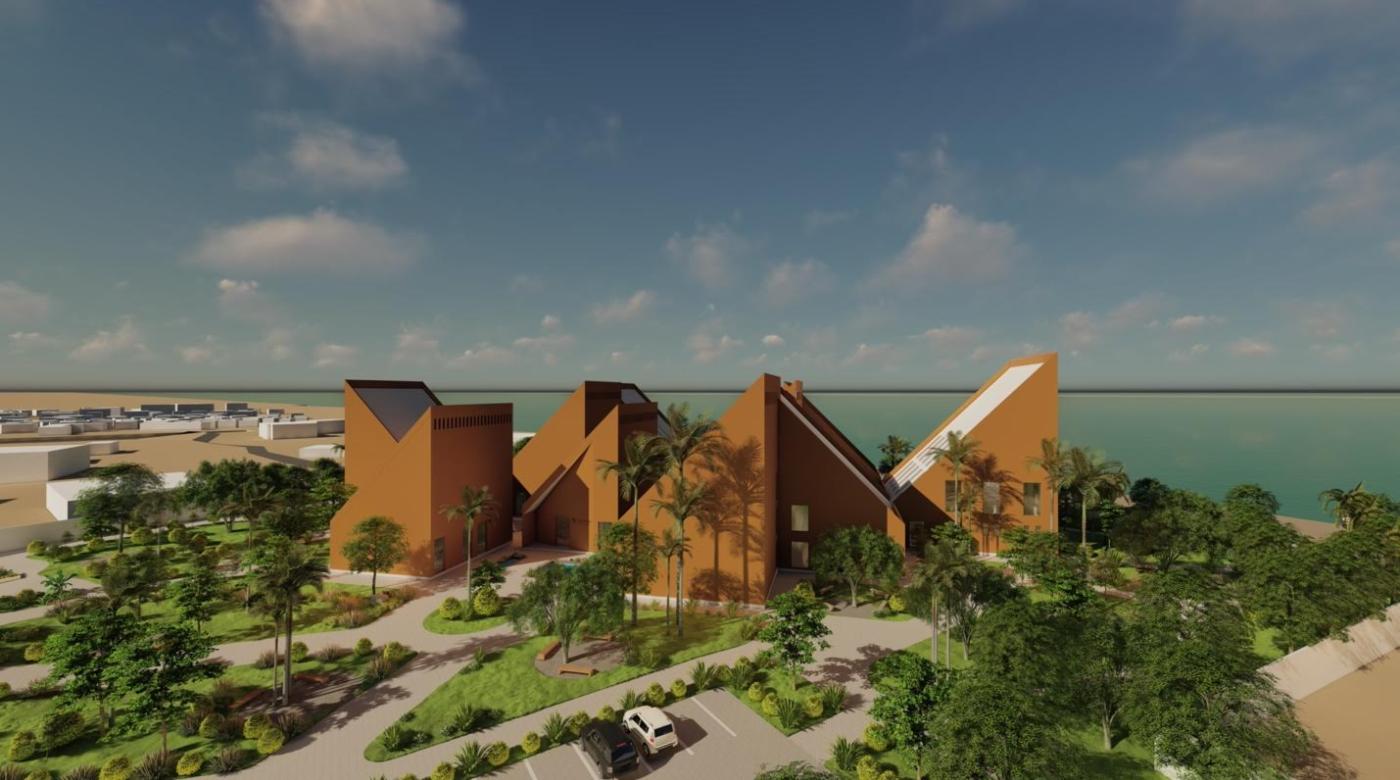
The Grand Egyptian Museum (GEM), located adjacent to the iconic Giza pyramids, has taken a significant step towards its long-awaited full opening by unveiling 12 galleries to the public. This monumental museum, poised to be the largest archaeological museum in the world, spans 500,000 square meters and is dedicated to showcasing treasures from Egypt's rich history, including artifacts from the pyramids and various other periods.
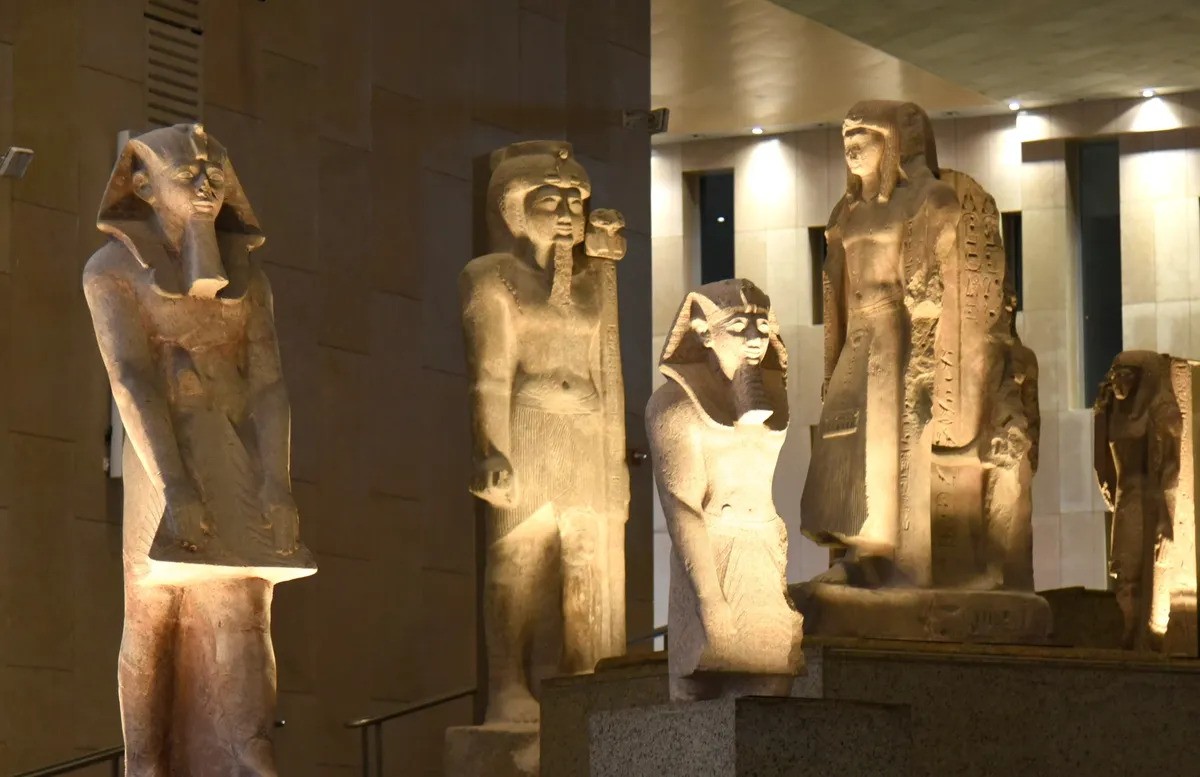
The newly opened exhibition halls feature a diverse array of Egyptian artifacts, ranging from the prehistoric era, dating back to 700,000 BC, to the Roman era of the fourth century AD. These galleries are organized around themes of kingship, society, and beliefs, offering visitors a glimpse into the lives of ancient Egyptians, particularly the elite, and their preparations for the afterlife. The museum's soft opening aims to facilitate the mapping of visitor movement and identify areas for improvement.
However, the highly anticipated Tutankhamun Gallery, which will house artifacts discovered in the tomb of the famous boy king, remains closed. This gallery is expected to be a centerpiece of the museum's official opening, the date of which has yet to be announced.
The GEM's partial opening has been a long time coming, with Egypt having a museum of antiquities since 1858. The need for a new facility became apparent by the late 20th century due to increasing tourist interest. In 1992, then-President Hosni Mubarak announced plans for a new museum outside the city center, leading to the commencement of construction at the Giza site in 2012. However, the project faced numerous delays due to political upheaval, the Arab Spring, and the COVID-19 pandemic.
Despite these challenges, the museum has remained active, housing archaeological laboratories that have contributed to significant scientific discoveries. This activity has fueled calls for the repatriation of artifacts from international museums, although no formal framework has been established for such efforts.
As of 2022, construction was reported to be nearing completion, with additional areas such as a children's library, outdoor gardens, food and beverage options, and a striking six-storey staircase offering views of the pyramids now accessible to the public.
The reasons behind the latest delays in the museum's full opening have not been explicitly stated, but many attribute it to Egypt's struggling economy. Since President Abdel Fattah El Sisi took office in 2014, the Egyptian pound has depreciated by 600%. The government has invested heavily in mega-projects that often overshadow the immediate needs of the population. While the GEM has cost approximately $1 billion to date, it pales in comparison to other projects, such as the estimated $50 billion New Administrative Capital and an $80 billion irrigation network near the Aswan Dam.
The ongoing conflicts in Gaza and Sudan have further strained Egypt's economic situation, with around 737,000 registered refugees and asylum-seekers in the country, many of whom lack access to essential healthcare. An art professional in Cairo noted that the leadership of the Grand Egyptian Museum feels that the current climate is not conducive to a lavish opening ceremony.
Despite these challenges, the partial opening of the GEM is a significant milestone, especially given the global interest in Egypt's Pharaonic heritage. Even without the Tutankhamun Gallery, the museum can begin welcoming some of the 15 million tourists who visit Giza each year, providing a much-needed source of income and a sense of national pride.