Harrowing Tunisian Film Red Path Echoes the Suffering of Children in Gaza
-
 Loading...
 - Mira Farago
- 13 Dec 2024
- 38 Views
- 0 Like
- 0 Comment
The powerful Tunisian film Red Path made its debut at the Red Sea International Film Festival in Jeddah, captivating audiences with its poignant narrative and emotional depth. Based on a real-life tragedy, the film has already garnered acclaim on the festival circuit, including an audience award in Vancouver, but it has yet to be released in Tunisia.
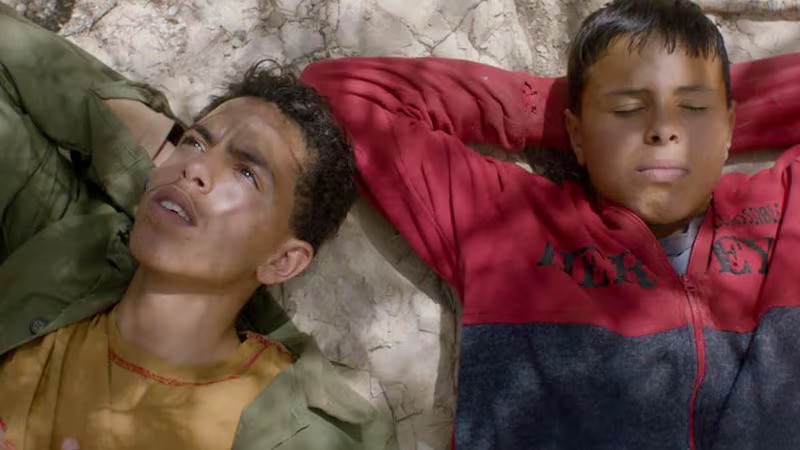
Set against the backdrop of unrest in Tunisia in November 2015, Red Path tells the harrowing story of 13-year-old shepherd Ashraf (played by Ali Hleli) and his older cousin Nizar (Yassine Samouni). The film is inspired by the tragic killing of a young shepherd, Mabrouk Soltani, who was murdered by extremists under the mistaken belief that he was a military spy. The narrative unfolds as the boys' peaceful afternoon herding goats in the Mghila Mountain region turns into a nightmare when they are attacked by unseen assailants. The film portrays the brutal decapitation of Nizar, leaving Ashraf to grapple with the trauma of witnessing such violence.
While the film refrains from delving deeply into political context, it subtly alludes to the radicalization of over 3,000 Tunisians who left to fight for ISIS and other jihadist groups in Syria, Iraq, and Libya. Co-writer and director Lotfi Achour emphasizes that the film's themes of violence, particularly against children, resonate even more strongly in light of the recent escalation of conflict in Gaza.
Achour notes, “When we decided to do this movie, the situation was completely different in Gaza. But for me, there is a direct relationship between this movie and what has unfolded in Gaza. We are witnessing violence against children.” The film aims to highlight the broader implications of violence, particularly how it affects the lives of young people and the lasting impact it has on future generations.
The film is described as a ghost story from Ashraf's perspective, as he is haunted by the death of his cousin. The filmmakers faced a difficult decision regarding whether to depict the graphic moment of Nizar's death, ultimately opting for a more restrained approach. Producer Anissa Daoud reflects on the normalization of violence in contemporary media, stating, “Now what we are witnessing, it seemed like nothing... And that is horrible to say that we are used to this image.”
Red Path is one of 16 films competing at the Red Sea International Film Festival, and it has struck a chord with audiences worldwide. Daoud recounts how a producer from Tijuana, Mexico, related the film's themes to the drug-related violence in his own country, highlighting the universal nature of the story's message. She attributes the rise of extremism in Tunisia to the government's failure to address economic and social disparities, stating, “This abandonment creates people who want to go to ISIS.”
The film was shot in just 12 days, with a lengthy rehearsal process to help the cast connect with their characters. Due to safety concerns, the production could not film in the Mghila Mountains, opting instead for the Kef region, which shares a similar landscape.
What sets Red Path apart is the authenticity of its performances, particularly from the young leads, who hail from the region depicted in the film. Achour emphasizes that Ali, who plays Ashraf, lives a life similar to that of his character, herding sheep in the mountains after school. The cast's familiarity with the story's legacy added depth to their performances, as they felt a sense of pride in representing their culture and language.
The production team made a concerted effort to involve local talent, both in front of and behind the camera. Daoud expresses the importance of respecting the community, stating, “We had this preoccupation as producers to not come from the outside, make the movie and get out.”
Red Path serves as a haunting reminder of the violence faced by children in conflict zones, drawing parallels between the experiences of Tunisian youth and those affected by the ongoing crisis in Gaza. As the film continues to resonate with audiences around the world, it highlights the urgent need for empathy and understanding in the face of suffering, particularly for the most vulnerable members of society. Through its powerful storytelling and commitment to authenticity, Red Path not only tells a story of tragedy but also calls for a deeper reflection on the impact of violence on future generations.