Home Upload Photo Upload Videos Write a Blog Analytics Messaging Streaming Create Adverts Creators Program
Bebuzee Afghanistan Bebuzee Albania Bebuzee Algeria Bebuzee Andorra Bebuzee Angola Bebuzee Antigua and Barbuda Bebuzee Argentina Bebuzee Armenia Bebuzee Australia Bebuzee Austria Bebuzee Azerbaijan Bebuzee Bahamas Bebuzee Bahrain Bebuzee Bangladesh Bebuzee Barbados Bebuzee Belarus Bebuzee Belgium Bebuzee Belize Bebuzee Benin Bebuzee Bhutan Bebuzee Bolivia Bebuzee Bosnia and Herzegovina Bebuzee Botswana Bebuzee Brazil Bebuzee Brunei Bebuzee Bulgaria Bebuzee Burkina Faso Bebuzee Burundi Bebuzee Cabo Verde Bebuzee Cambodia Bebuzee Cameroon Bebuzee Canada Bebuzee Central African Republic Bebuzee Chad Bebuzee Chile Bebuzee China Bebuzee Colombia Bebuzee Comoros Bebuzee Costa Rica Bebuzee Côte d'Ivoire Bebuzee Croatia Bebuzee Cuba Bebuzee Cyprus Bebuzee Czech Republic Bebuzee Democratic Republic of the Congo Bebuzee Denmark Bebuzee Djibouti Bebuzee Dominica Bebuzee Dominican Republic Bebuzee Ecuador Bebuzee Egypt Bebuzee El Salvador Bebuzee Equatorial Guinea Bebuzee Eritrea Bebuzee Estonia Bebuzee Eswatini Bebuzee Ethiopia Bebuzee Fiji Bebuzee Finland Bebuzee France Bebuzee Gabon Bebuzee Gambia Bebuzee Georgia Bebuzee Germany Bebuzee Ghana Bebuzee Greece Bebuzee Grenada Bebuzee Guatemala Bebuzee Guinea Bebuzee Guinea-Bissau Bebuzee Guyana Bebuzee Haiti Bebuzee Honduras Bebuzee Hong Kong Bebuzee Hungary Bebuzee Iceland Bebuzee India Bebuzee Indonesia Bebuzee Iran Bebuzee Iraq Bebuzee Ireland Bebuzee Israel Bebuzee Italy Bebuzee Jamaica Bebuzee Japan Bebuzee Jordan Bebuzee Kazakhstan Bebuzee Kenya Bebuzee Kiribati Bebuzee Kuwait Bebuzee Kyrgyzstan Bebuzee Laos Bebuzee Latvia Bebuzee Lebanon Bebuzee Lesotho Bebuzee Liberia Bebuzee Libya Bebuzee Liechtenstein Bebuzee Lithuania Bebuzee Luxembourg Bebuzee Madagascar Bebuzee Malawi Bebuzee Malaysia Bebuzee Maldives Bebuzee Mali Bebuzee Malta Bebuzee Marshall Islands Bebuzee Mauritania Bebuzee Mauritius Bebuzee Mexico Bebuzee Micronesia Bebuzee Moldova Bebuzee Monaco Bebuzee Mongolia Bebuzee Montenegro Bebuzee Morocco Bebuzee Mozambique Bebuzee Myanmar Bebuzee Namibia Bebuzee Nauru Bebuzee Nepal Bebuzee Netherlands Bebuzee New Zealand Bebuzee Nicaragua Bebuzee Niger Bebuzee Nigeria Bebuzee North Korea Bebuzee North Macedonia Bebuzee Norway Bebuzee Oman Bebuzee Pakistan Bebuzee Palau Bebuzee Panama Bebuzee Papua New Guinea Bebuzee Paraguay Bebuzee Peru Bebuzee Philippines Bebuzee Poland Bebuzee Portugal Bebuzee Qatar Bebuzee Republic of the Congo Bebuzee Romania Bebuzee Russia Bebuzee Rwanda Bebuzee Saint Kitts and Nevis Bebuzee Saint Lucia Bebuzee Saint Vincent and the Grenadines Bebuzee Samoa Bebuzee San Marino Bebuzee São Tomé and Príncipe Bebuzee Saudi Arabia Bebuzee Senegal Bebuzee Serbia Bebuzee Seychelles Bebuzee Sierra Leone Bebuzee Singapore Bebuzee Slovakia Bebuzee Slovenia Bebuzee Solomon Islands Bebuzee Somalia Bebuzee South Africa Bebuzee South Korea Bebuzee South Sudan Bebuzee Spain Bebuzee Sri Lanka Bebuzee Sudan Bebuzee Suriname Bebuzee Sweden Bebuzee Switzerland Bebuzee Syria Bebuzee Taiwan Bebuzee Tajikistan Bebuzee Tanzania Bebuzee Thailand Bebuzee Timor-Leste Bebuzee Togo Bebuzee Tonga Bebuzee Trinidad and Tobago Bebuzee Tunisia Bebuzee Turkey Bebuzee Turkmenistan Bebuzee Tuvalu Bebuzee Uganda Bebuzee Ukraine Bebuzee United Arab Emirates Bebuzee United Kingdom Bebuzee Uruguay Bebuzee Uzbekistan Bebuzee Vanuatu Bebuzee Venezuela Bebuzee Vietnam Bebuzee World Wide Bebuzee Yemen Bebuzee Zambia Bebuzee Zimbabwe
Blog Image

Heat loss from the Earth triggers ice sheet slide towards the sea

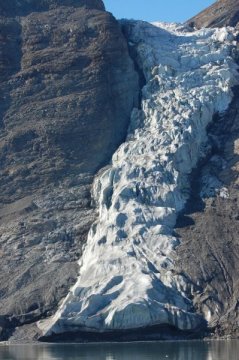
Several glaciers flow into the area of Young Sound where researchers have shown that heat from the Earth's interior warms up the bottom water of the fjord. Credit: Mikael Sejr

Greenland's ice sheet is becoming smaller and smaller. The melting takes place with increased strength and at a speed that no models have previously predicted.

Today, in the journal Scientific Reports, researchers from the Arctic Research Centre, Aarhus University, and the Greenland Institute of Natural Resources present results that, for the first time, show that the deep bottom water of the north-eastern Greenland fjords is being warmed up by heat gradually lost from the Earth's interior. And the researchers point out that this heat loss triggers the sliding of glaciers from the ice sheet towards the sea.

Icelandic conditions

"North-East Greenland has several hot springs where the water becomes up to 60 degrees warm and, like Iceland, the area has abundant underground geothermal activity," explains Professor Soren Rysgaard, who headed the investigations.

For more than ten years, the researchers have measured the temperature and salinity in the fjord Young Sound, located at Daneborg, north of Scoresbysund, which has many hot springs, and south of the glacier Nioghalvfjerdsfjorden, which melts rapidly and is connected to the North-East Greenland Ice Stream (NEGIS).

By focusing on an isolated basin in the fjord with a depth range between 200 and 340 m, the researchers have measured how the deep water is heated over a ten-year period. Based on the extensive data, researchers have estimated that the loss of heat from the Earth's interior to the fjord is about 100 MW m-2. This corresponds to a 2 megawatt wind turbine sending electricity to a large heater at the bottom of the fjord all year round.

Heat from the Earth's interior -- an important influence

It is not easy to measure the geothermal heat flux -- heat emanating from the Earth's interior -- below a glacier, but within the area there are several large glaciers connected directly to the ice sheet. If the Earth releases heat to a fjord, heat also seeps up to the bottom part of the glaciers. This means that the glaciers melt from below and thus slide more easily over the terrain on which they sit when moving to the sea.

"It is a combination of higher temperatures in the air and the sea, precipitation from above, local dynamics of the ice sheet and heat loss from the Earth's interior that determines the mass loss from the Greenland ice sheet," explains Soren Rysgaard.

"There is no doubt that the heat from the Earth's interior affects the movement of the ice, and we expect that a similar heat seepage takes place below a major part of the ice cap in the north-eastern corner of Greenland," says Soren Rysgaard.

The researchers expect that the new discoveries will improve the models of ice sheet dynamics, allowing better predictions of the stability of the Greenland ice sheet, its melting and the resulting global water rise.

Previous Post

The creative brain is wired differently

Next Post

New Caledonian crows extract prey faster with complex hooked tools

Comments