Home Upload Photo Upload Videos Write a Blog Analytics Messaging Streaming Create Adverts Creators Program
Bebuzee Afghanistan Bebuzee Albania Bebuzee Algeria Bebuzee Andorra Bebuzee Angola Bebuzee Antigua and Barbuda Bebuzee Argentina Bebuzee Armenia Bebuzee Australia Bebuzee Austria Bebuzee Azerbaijan Bebuzee Bahamas Bebuzee Bahrain Bebuzee Bangladesh Bebuzee Barbados Bebuzee Belarus Bebuzee Belgium Bebuzee Belize Bebuzee Benin Bebuzee Bhutan Bebuzee Bolivia Bebuzee Bosnia and Herzegovina Bebuzee Botswana Bebuzee Brazil Bebuzee Brunei Bebuzee Bulgaria Bebuzee Burkina Faso Bebuzee Burundi Bebuzee Cabo Verde Bebuzee Cambodia Bebuzee Cameroon Bebuzee Canada Bebuzee Central African Republic Bebuzee Chad Bebuzee Chile Bebuzee China Bebuzee Colombia Bebuzee Comoros Bebuzee Costa Rica Bebuzee Côte d'Ivoire Bebuzee Croatia Bebuzee Cuba Bebuzee Cyprus Bebuzee Czech Republic Bebuzee Democratic Republic of the Congo Bebuzee Denmark Bebuzee Djibouti Bebuzee Dominica Bebuzee Dominican Republic Bebuzee Ecuador Bebuzee Egypt Bebuzee El Salvador Bebuzee Equatorial Guinea Bebuzee Eritrea Bebuzee Estonia Bebuzee Eswatini Bebuzee Ethiopia Bebuzee Fiji Bebuzee Finland Bebuzee France Bebuzee Gabon Bebuzee Gambia Bebuzee Georgia Bebuzee Germany Bebuzee Ghana Bebuzee Greece Bebuzee Grenada Bebuzee Guatemala Bebuzee Guinea Bebuzee Guinea-Bissau Bebuzee Guyana Bebuzee Haiti Bebuzee Honduras Bebuzee Hong Kong Bebuzee Hungary Bebuzee Iceland Bebuzee India Bebuzee Indonesia Bebuzee Iran Bebuzee Iraq Bebuzee Ireland Bebuzee Israel Bebuzee Italy Bebuzee Jamaica Bebuzee Japan Bebuzee Jordan Bebuzee Kazakhstan Bebuzee Kenya Bebuzee Kiribati Bebuzee Kuwait Bebuzee Kyrgyzstan Bebuzee Laos Bebuzee Latvia Bebuzee Lebanon Bebuzee Lesotho Bebuzee Liberia Bebuzee Libya Bebuzee Liechtenstein Bebuzee Lithuania Bebuzee Luxembourg Bebuzee Madagascar Bebuzee Malawi Bebuzee Malaysia Bebuzee Maldives Bebuzee Mali Bebuzee Malta Bebuzee Marshall Islands Bebuzee Mauritania Bebuzee Mauritius Bebuzee Mexico Bebuzee Micronesia Bebuzee Moldova Bebuzee Monaco Bebuzee Mongolia Bebuzee Montenegro Bebuzee Morocco Bebuzee Mozambique Bebuzee Myanmar Bebuzee Namibia Bebuzee Nauru Bebuzee Nepal Bebuzee Netherlands Bebuzee New Zealand Bebuzee Nicaragua Bebuzee Niger Bebuzee Nigeria Bebuzee North Korea Bebuzee North Macedonia Bebuzee Norway Bebuzee Oman Bebuzee Pakistan Bebuzee Palau Bebuzee Panama Bebuzee Papua New Guinea Bebuzee Paraguay Bebuzee Peru Bebuzee Philippines Bebuzee Poland Bebuzee Portugal Bebuzee Qatar Bebuzee Republic of the Congo Bebuzee Romania Bebuzee Russia Bebuzee Rwanda Bebuzee Saint Kitts and Nevis Bebuzee Saint Lucia Bebuzee Saint Vincent and the Grenadines Bebuzee Samoa Bebuzee San Marino Bebuzee São Tomé and Príncipe Bebuzee Saudi Arabia Bebuzee Senegal Bebuzee Serbia Bebuzee Seychelles Bebuzee Sierra Leone Bebuzee Singapore Bebuzee Slovakia Bebuzee Slovenia Bebuzee Solomon Islands Bebuzee Somalia Bebuzee South Africa Bebuzee South Korea Bebuzee South Sudan Bebuzee Spain Bebuzee Sri Lanka Bebuzee Sudan Bebuzee Suriname Bebuzee Sweden Bebuzee Switzerland Bebuzee Syria Bebuzee Taiwan Bebuzee Tajikistan Bebuzee Tanzania Bebuzee Thailand Bebuzee Timor-Leste Bebuzee Togo Bebuzee Tonga Bebuzee Trinidad and Tobago Bebuzee Tunisia Bebuzee Turkey Bebuzee Turkmenistan Bebuzee Tuvalu Bebuzee Uganda Bebuzee Ukraine Bebuzee United Arab Emirates Bebuzee United Kingdom Bebuzee Uruguay Bebuzee Uzbekistan Bebuzee Vanuatu Bebuzee Venezuela Bebuzee Vietnam Bebuzee World Wide Bebuzee Yemen Bebuzee Zambia Bebuzee Zimbabwe
Blog Image

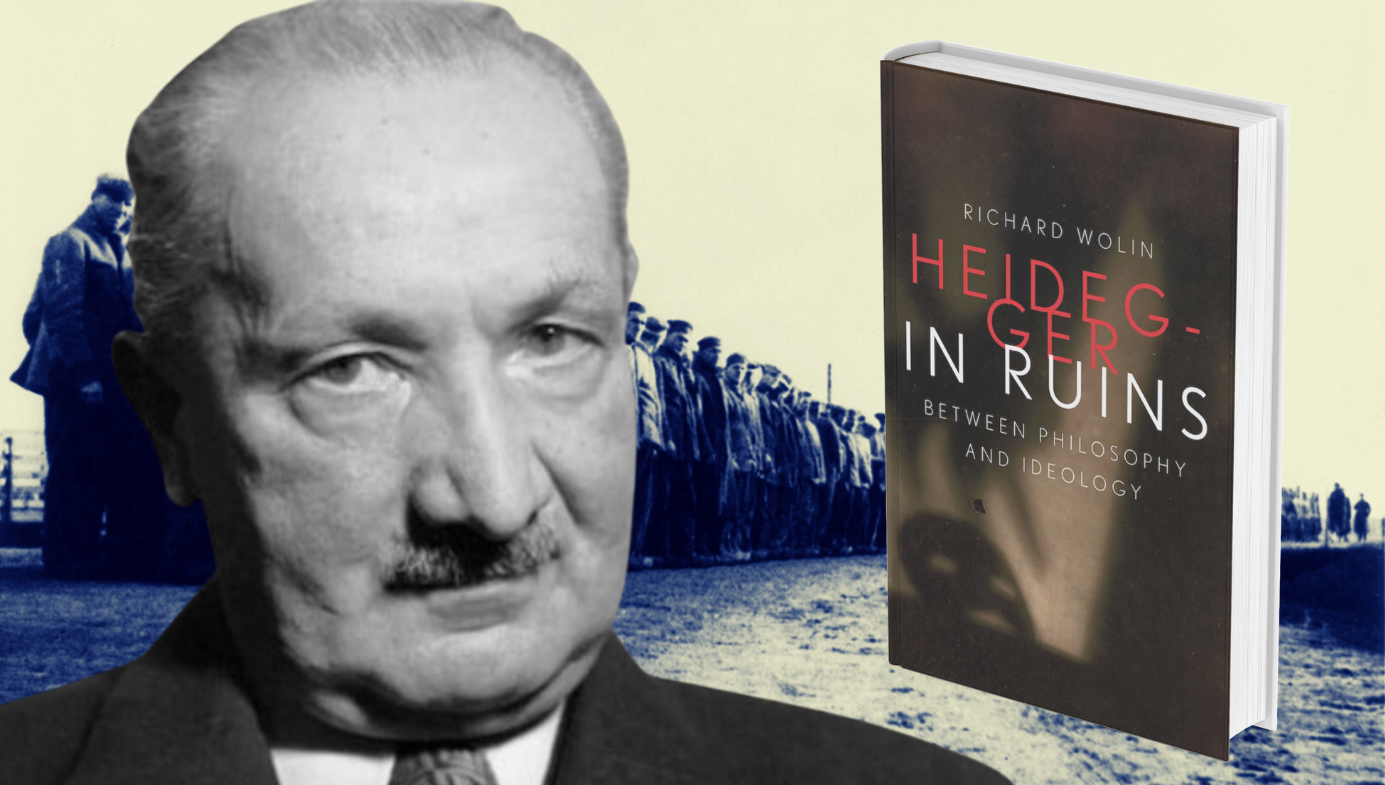
Heidegger’s Downfall

Richard Wolin’s reappraisal of Martin Heidegger offers both original contributions and a synthesis of critical scholarship. The result is a timely work of enduring importance.

On April 21st, 1933, the German philosopher Martin Heidegger, then famous as the author of the 1927 philosophical treatise Being and Time, gave one of the most famous speeches delivered by any scholar living in the dictatorships of the 20th century. It was titled, “The Self-Assertion of the German University,” and it called upon students at the University of Freiburg to abandon objectivity and academic freedom and instead join the “spiritual mission which impresses onto the fate of the German Volk [people] the stamp of history” while the “moribund pseudocivilization” of the West “collapses into itself.”

By the time Heidegger delivered that speech, the Nazi regime had already declared a national emergency and suspended civil liberties following the Reichstag Fire of February 28th. The regime had violently destroyed the Communist and Social Democratic Parties, thereby clearing a path to dictatorship, and it had introduced national legislation calling for the expulsion of all Jews from the civil service. The antisemitic clauses of the Nazi Party were now government policy, and purges of Jewish professors were underway in the universities, including at Freiburg, where Heidegger had just been elected rector. Over the summer and into the fall, he openly declared his support and admiration for Hitler and the new regime and called upon all to vote for the Nazis in elections.

For many of his contemporaries, Heidegger’s texts of spring to fall 1933 offered sufficient proof that he had placed the prestige of the academy in the service of evil—a paradigmatic example of the betrayal of the intellectuals who abandoned liberal democracy for the supposed benefits of totalitarianism. But a spectrum of theorists across the Left and Right have stubbornly refused to accept that the reputation Heidegger acquired in 1927 as a serious philosopher was dented by his support for Nazism, which they maintain was merely an irrelevant (albeit embarrassing) deviation.

In six previous books since 1990, American historian Richard Wolin has sought to take Heidegger seriously as a philosopher while also placing him in the context of German intellectual and political history. In his seventh installment in this series, Heidegger in Ruins: Between Philosophy and Ideology, Wolin examines the philosopher’s Black Notebooks. Finally published between 2014 and 2022, in volumes 94 to 102 of his collected works, the Black Notebooks contain essays, lectures, and notes Heidegger wrote between 1931 and 1970. Read More…

Previous Post

DN chooses: Here are 16 favorites at this year's book sale

Next Post

And Other Stories scoops its first poetry collection from Seiler

Comments