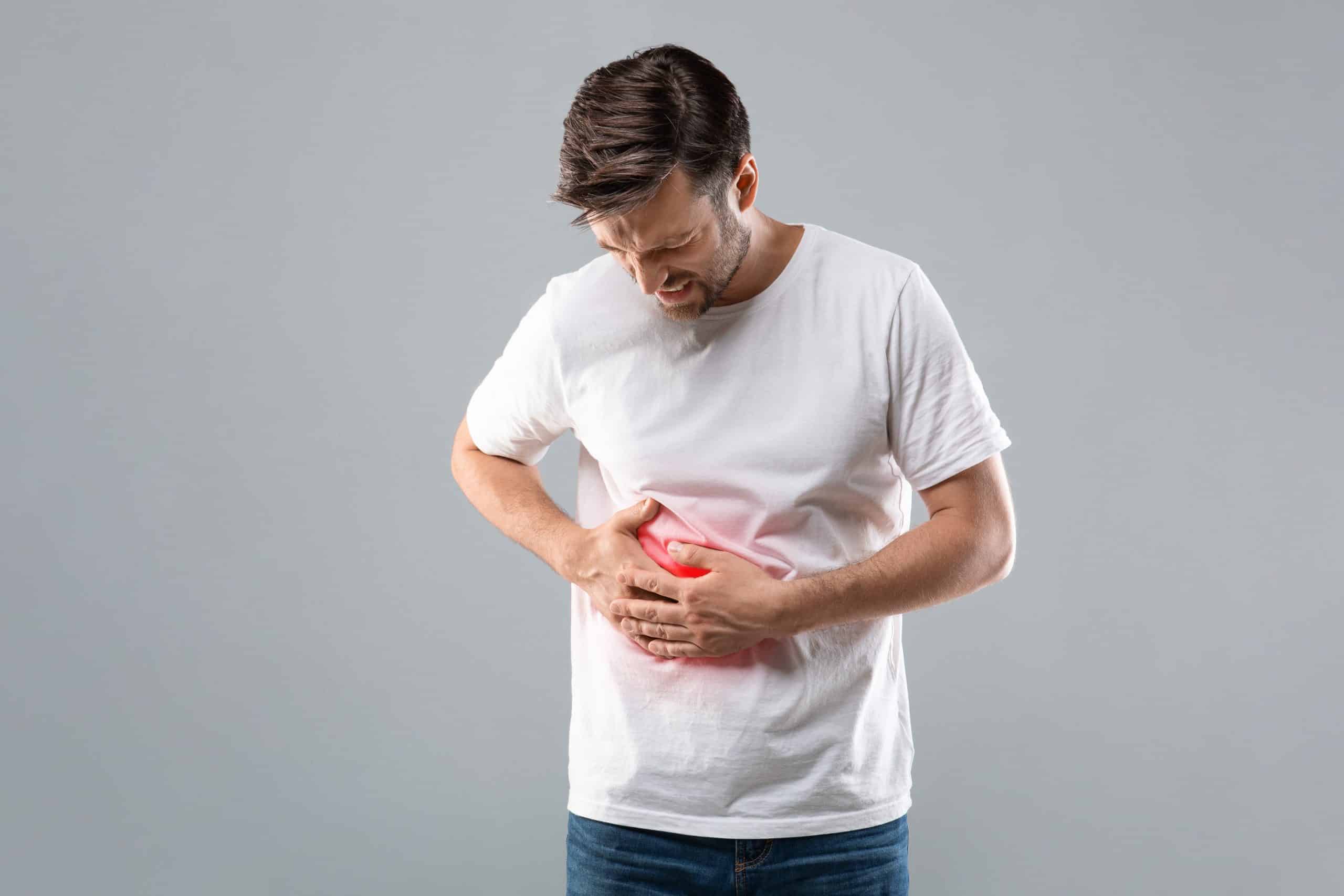
Hepatic steatosis. Protect your liver from fat
-
 Loading...
 - Noah Hunter
- 25 Jan 2022
- 516 Views
- 0 Like
- 0 Comment
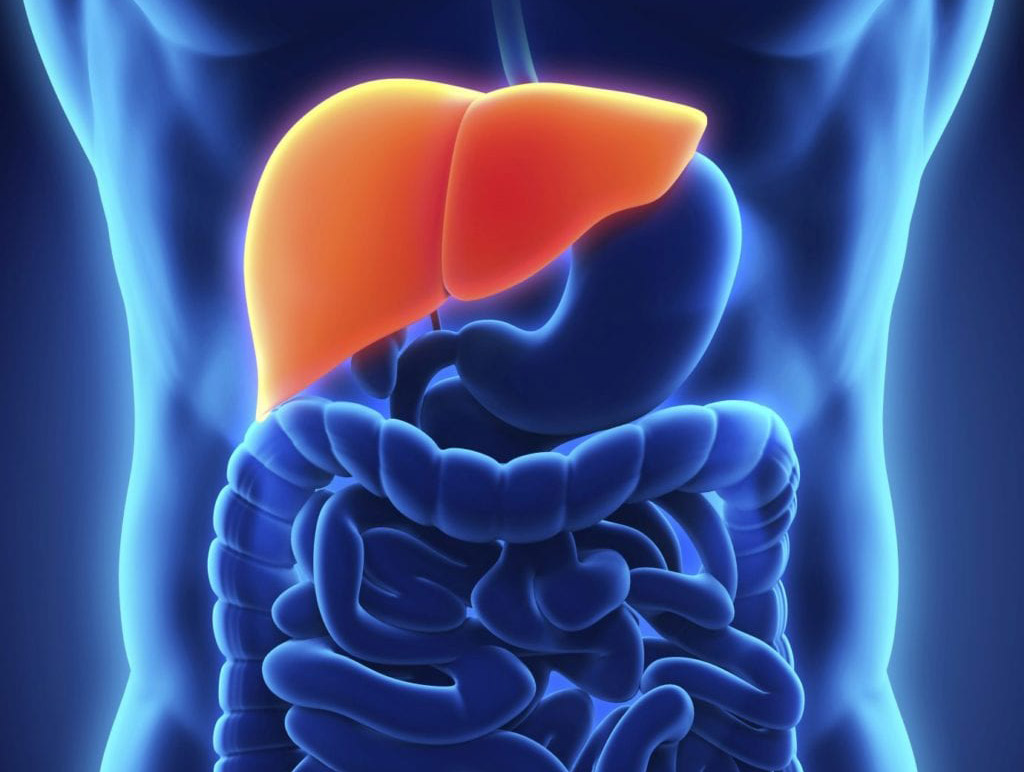
Hepatic steatosis occurs due to an excessive accumulation of fat in the hepatocytes (liver cells). Healthy liver tissue is partially replaced by unhealthy areas of fat, resulting in an enlarged and heavier liver.
A comparison to the human situation is the famous paté de foie gras (goose liver); to obtain the paté, the geese are subjected to an extremely high-calorie diet which accumulates in the liver resulting in a liver full of fat.
In humans, this accumulation may be due to metabolic alterations or the liver’s response to a malfunction. That is, it can be a symptom of a liver disease (such as hepatitis C or alcoholic disease) or it could be related to a metabolic disease (diabetes, obesity, metabolic syndrome), leading in this case to the so-called non-alcoholic fatty liver disease.
This condition, in most people, is a liver disorder that can regress once the metabolic problem is eliminated or controlled. However, in about 30% of cases, it may progress to hepatic steatosis or steatohepatitis, with a silent (no symptoms) and slow progression (over the years) which can lead to cirrhosis of the liver and, less frequently, to liver cancer.
In addition to the deficiencies caused to the liver, all patients with hepatic steatosis (fatty liver) are at an increased risk of developing diabetes and cardiovascular diseases (coronary heart disease and stroke). Based on the diagnosis of steatosis and the factors associated with it, it is crucial to change lifestyles.
Diagnosis of hepatic steatosis includes measuring blood pressure, circumference of the waist (visceral obesity is often associated with steatosis), medical examination of the liver and undergoing ultrasound. Blood tests are necessary to obtain results of liver enzymes (ALT, AST, GGT and alkaline phosphatase) including metabolic tests to obtain levels of glucose, insulin, cholesterol, triglycerides, glycosylated haemoglobin, in addition to others such as uric acid and ferritin. A liver biopsy may also occasionally be necessary, especially in cases where there is doubt concerning the source of the problem. Read More…