
Here's Everything You Need to Know About Travertine—Plus How to Use it In Your Home
-
 Loading...
 - Samia Kadri
- 03 May 2023
- 61 Views
- 0 Like
- 0 Comment
There's nothing like natural stone to add living, breathing soul to your home. With its creamy colors and rich texture, travertine is a lesser known option you should consider whenever you're planning a new project or renovation. Travertine tile can deliver the rustic yet polished effect you want for your kitchen island or back patio—and those are just two of many ideal applications for this versatile stone.
Like the most popular natural stones on the block—marble, soapstone, and granite—travertine is beautiful and durable. But it also has a certain rough-and-tumble appeal that makes it design pros' go-to for warmth and texture. It could be the finishing touch you're looking for too—there are just a few caveats you should be aware of before you commit. Below, we delve into everything you need to know about travertine, including how to care for it and where to use it to best effect.
What Is Travertine?
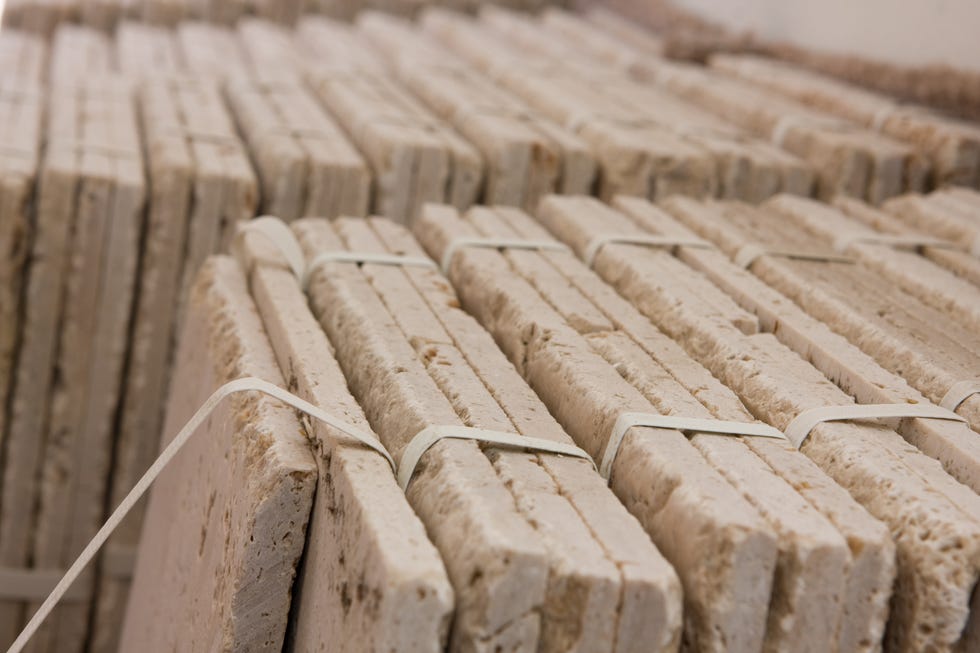
Travertine is a natural stone that forms when mineral-rich water seeps through sedimentary rocks, leaving behind deposits that harden over time—which makes it a type of limestone. That chemical process gives travertine its stunning pitted texture and makes each piece unique.
Whole structures can be built of travertine—classical case in point: the Colosseum in Rome—but in homes today you mostly see tile. Travertine tile can be used indoors and out to cover walls, floors, patios, and even pool decks. When it's used for flooring, travertine often gets refined to make cleaning it easier and prevent wear and tear. Read More…