Home Upload Photo Upload Videos Write a Blog Analytics Messaging Streaming Create Adverts Creators Program
Bebuzee Afghanistan Bebuzee Albania Bebuzee Algeria Bebuzee Andorra Bebuzee Angola Bebuzee Antigua and Barbuda Bebuzee Argentina Bebuzee Armenia Bebuzee Australia Bebuzee Austria Bebuzee Azerbaijan Bebuzee Bahamas Bebuzee Bahrain Bebuzee Bangladesh Bebuzee Barbados Bebuzee Belarus Bebuzee Belgium Bebuzee Belize Bebuzee Benin Bebuzee Bhutan Bebuzee Bolivia Bebuzee Bosnia and Herzegovina Bebuzee Botswana Bebuzee Brazil Bebuzee Brunei Bebuzee Bulgaria Bebuzee Burkina Faso Bebuzee Burundi Bebuzee Cabo Verde Bebuzee Cambodia Bebuzee Cameroon Bebuzee Canada Bebuzee Central African Republic Bebuzee Chad Bebuzee Chile Bebuzee China Bebuzee Colombia Bebuzee Comoros Bebuzee Costa Rica Bebuzee Côte d'Ivoire Bebuzee Croatia Bebuzee Cuba Bebuzee Cyprus Bebuzee Czech Republic Bebuzee Democratic Republic of the Congo Bebuzee Denmark Bebuzee Djibouti Bebuzee Dominica Bebuzee Dominican Republic Bebuzee Ecuador Bebuzee Egypt Bebuzee El Salvador Bebuzee Equatorial Guinea Bebuzee Eritrea Bebuzee Estonia Bebuzee Eswatini Bebuzee Ethiopia Bebuzee Fiji Bebuzee Finland Bebuzee France Bebuzee Gabon Bebuzee Gambia Bebuzee Georgia Bebuzee Germany Bebuzee Ghana Bebuzee Greece Bebuzee Grenada Bebuzee Guatemala Bebuzee Guinea Bebuzee Guinea-Bissau Bebuzee Guyana Bebuzee Haiti Bebuzee Honduras Bebuzee Hong Kong Bebuzee Hungary Bebuzee Iceland Bebuzee India Bebuzee Indonesia Bebuzee Iran Bebuzee Iraq Bebuzee Ireland Bebuzee Israel Bebuzee Italy Bebuzee Jamaica Bebuzee Japan Bebuzee Jordan Bebuzee Kazakhstan Bebuzee Kenya Bebuzee Kiribati Bebuzee Kuwait Bebuzee Kyrgyzstan Bebuzee Laos Bebuzee Latvia Bebuzee Lebanon Bebuzee Lesotho Bebuzee Liberia Bebuzee Libya Bebuzee Liechtenstein Bebuzee Lithuania Bebuzee Luxembourg Bebuzee Madagascar Bebuzee Malawi Bebuzee Malaysia Bebuzee Maldives Bebuzee Mali Bebuzee Malta Bebuzee Marshall Islands Bebuzee Mauritania Bebuzee Mauritius Bebuzee Mexico Bebuzee Micronesia Bebuzee Moldova Bebuzee Monaco Bebuzee Mongolia Bebuzee Montenegro Bebuzee Morocco Bebuzee Mozambique Bebuzee Myanmar Bebuzee Namibia Bebuzee Nauru Bebuzee Nepal Bebuzee Netherlands Bebuzee New Zealand Bebuzee Nicaragua Bebuzee Niger Bebuzee Nigeria Bebuzee North Korea Bebuzee North Macedonia Bebuzee Norway Bebuzee Oman Bebuzee Pakistan Bebuzee Palau Bebuzee Panama Bebuzee Papua New Guinea Bebuzee Paraguay Bebuzee Peru Bebuzee Philippines Bebuzee Poland Bebuzee Portugal Bebuzee Qatar Bebuzee Republic of the Congo Bebuzee Romania Bebuzee Russia Bebuzee Rwanda Bebuzee Saint Kitts and Nevis Bebuzee Saint Lucia Bebuzee Saint Vincent and the Grenadines Bebuzee Samoa Bebuzee San Marino Bebuzee São Tomé and Príncipe Bebuzee Saudi Arabia Bebuzee Senegal Bebuzee Serbia Bebuzee Seychelles Bebuzee Sierra Leone Bebuzee Singapore Bebuzee Slovakia Bebuzee Slovenia Bebuzee Solomon Islands Bebuzee Somalia Bebuzee South Africa Bebuzee South Korea Bebuzee South Sudan Bebuzee Spain Bebuzee Sri Lanka Bebuzee Sudan Bebuzee Suriname Bebuzee Sweden Bebuzee Switzerland Bebuzee Syria Bebuzee Taiwan Bebuzee Tajikistan Bebuzee Tanzania Bebuzee Thailand Bebuzee Timor-Leste Bebuzee Togo Bebuzee Tonga Bebuzee Trinidad and Tobago Bebuzee Tunisia Bebuzee Turkey Bebuzee Turkmenistan Bebuzee Tuvalu Bebuzee Uganda Bebuzee Ukraine Bebuzee United Arab Emirates Bebuzee United Kingdom Bebuzee United States Bebuzee Uruguay Bebuzee Uzbekistan Bebuzee Vanuatu Bebuzee Venezuela Bebuzee Vietnam Bebuzee World Wide Bebuzee Yemen Bebuzee Zambia Bebuzee Zimbabwe
Blog Image

Here's what you need to know about Title 42, the pandemic-era policy that quickly sends migrants to Mexico

The public health order that quickly expels migrants to Mexico was launched early in the pandemic and the Biden administration’s intention to end it has sparked a legal battle.

For the past two years, the federal government has turned away migrants at the U.S.-Mexico border, including those who are seeking asylum, using a public emergency health order known as Title 42. It was launched by the Trump administration at the start of the pandemic and continued under the Biden administration.

The U.S. Centers for Disease Control and Prevention recently announced that it plans to end Title 42 on May 23 because COVID-19 cases have decreased and vaccines are widely available. But that date is now in question because of Republican-led lawsuits aimed at keeping the policy in place.

What started as an effort to slow the spread of COVID-19 across the border has turned into a fierce debate over whether Title 42 should be continued as an immigration tool to block migrants from claiming asylum.

Here’s what you need to know about the law:

What is Title 42?

Title 42 is part of the Public Health Service Act of 1944 aimed at preventing the spread of communicable diseases in the country. According to the law, whenever the U.S. surgeon general determines there is a communicable disease in another country, health officials have the authority, with the approval of the president, to prohibit “the introduction of persons and property from such countries or places” for as long as health officials determine the action is necessary. That authority was transferred from the U.S. surgeon general to the director of the CDC in 1966.

Congress approved a similar law in 1893 during a cholera epidemic that gave the president authority to exclude people from certain countries during a public health emergency. It was used for the first time in 1929 to bar people coming from China and the Philippines during a meningitis outbreak.

Why was it activated?

The Trump administration invoked Title 42 for the first time since its creation in March 2020 as a way to help stop the spread of COVID-19 in immigrant detention centers, where many migrants are placed after they arrive at the U.S.-Mexico border.

Catch up on race and immigration news with our weekly newsletter

According to The New York Times, Stephen Miller, a senior adviser to former President Trump, had pushed the idea to invoke Title 42 at the U.S.-Mexico border as early as 2018, long before COVID-19 emerged.

As COVID-19 cases rose in the U.S., then-CDC Director Robert Redfield enacted Title 42 to seal the land borders with Canada and Mexico for migrants seeking asylum on March 20, 2020. The Associated Press reported that then-Vice President Mike Pence ordered Redfield to enact Title 42 over the objections of CDC scientists who said there was no evidence that it would slow the virus’ spread in the U.S.

Dr. Anthony Fauci, the nation’s top infectious disease expert, has said that immigrants are not driving up the number of COVID-19 cases.

How many migrants have been removed under Title 42?

Immigration officials have used the health order nearly 1.8 million times to expel migrants, many of whom have been removed multiple times after making repeated attempts to enter the U.S.

Under Title 42, the recidivism rate — the percentage of people apprehended more than once by a Border Patrol — has increased to 27%. Previously the rate was 7%.

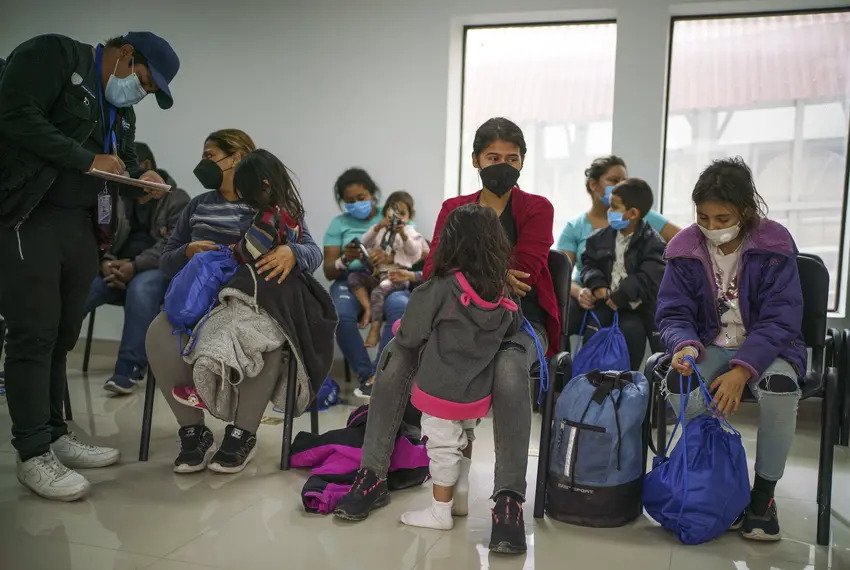
During the Trump administration, immigration agents expelled all types of migrants; the Biden administration has instructed agents to exempt unaccompanied children from Title 42. When agents apprehend unaccompanied children, they are placed in a federal shelter or a state-run facility until they are reunited with a family member in the U.S. or until they find a sponsor.

While most migrants are sent across the border to Mexico under Title 42, others are returned to their home countries. Immigration officials also have the discretion to allow certain migrants to enter the country if there are “significant law enforcement, officer and public safety, humanitarian, and public health interests.”

What happens if Title 42 is ended?

Homeland Security predicts up to 18,000 daily encounters with migrants — more than double the current average — when Title 42 ends. Anticipating such an increase, the agency has released a plan that includes vaccinating migrants in U.S. Customs and Border Protection custody, adding 600 CBP agents across the southwest border, and increasing the capacity of federal holding centers from 12,000 to 18,000. Read More...


Previous Post

Violence against activists grows as Colombia's pilot fracking projects progress

Next Post

How to claim your €150 energy discount in Austria

Comments