Hindrance and possible solutions to affordable housing
-
 Loading...
 - Timothy Kiptoo
- 16 May 2022
- 309 Views
- 0 Like
- 0 Comment
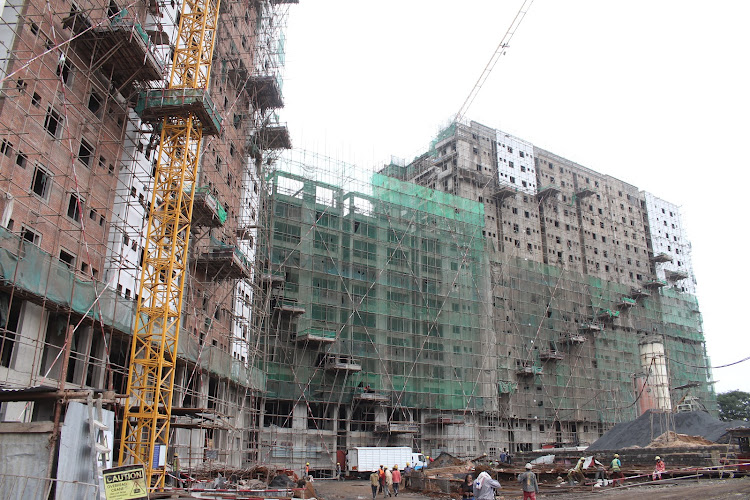
The idea of owning a house has become a pipe dream for many Kenyans.
With the current housing demand of 250,000 units (according to Habitat for Humanity) and only an estimated supply of 50,000 units, there is a housing deficit of two million units which equates to an 80 per cent deficit in housing.
This shortage is more evident in Nairobi where people are not only unable to purchase but also build their own homes due to the high costs.
Interestingly, only about two per cent of the formally constructed houses target lower-income families (Habitat for Humanity), resulting in most of the urban population in Kenya living in informal settlements.
With the continued rise in land prices, materials, and the cost of construction, there is a fundamental problem of affordability, in that not all households can afford to buy or rent housing of acceptable standards for their needs.
According to the 2020 Budget Policy Statement (BPS), Treasury noted that 10 million Kenyans live in slums, which translates to 21.2 percent of the 47 million population as of the 2019 census.
Nairobi leads with 36 per cent of its population living in slums. The high number of slum dwellers and people living in unsafe and inadequate housing presents an opportunity for the Government of Kenya to facilitate the supply of adequate and affordable housing options to the low-income earners.
This would provide an alternative to informal urban settlements and enable the average Kenyan to afford a home.
As one of the pillars under the 'Big 4 Agenda'. AHP ensures that low and middle-income households have access to decent and affordable housing units.
While the Government has taken a very bold initiative to deliver affordable housing, some key factors need to be addressed to make this housing project a success and ensure that all Kenyans can afford a decent modern home.
It is very important to look at affordable housing from a sustainability aspect.
Sustainable affordable housing combines green affordable housing components like energy-efficient building design and renewable energy to simultaneously decrease the energy burdens of residents while also increasing community resilience.
It is important to note that sustainability does not only cover the project development but also encompasses the property management of the real estate. Read More…