‘Hostages and human shields’: The civilian toll of Sudan’s crisis
-
 Loading...
 - louis hannah
- 24 Apr 2023
- 61 Views
- 0 Like
- 0 Comment
Residents of Khartoum describe going days without electricity and water as fighting rages around them.
Majid Maali, 39, was excited to return to his home country, Sudan, on April 5. For the past 14 years, he had been based in Uganda, where he worked as a capacity-building officer for the East and Horn of Africa Human Rights Defenders Project, an organisation that protects and promotes human rights defenders in the region.
He had returned to Khartoum to set up an office for the organisation there and was looking forward to spending time with friends and visiting his family in Darfur.
Ten days later, that all changed.
Maali was staying with a friend in a Khartoum neighbourhood just west of where he lives when he got a call from someone in his building. That morning, fighting had broken out between Sudan’s army, headed by General Abdel Fattah al-Burhan, and the paramilitary Rapid Support Forces (RSF), headed by General Mohamed Hamdan “Hemedti” Dagalo. The caller told Maali that his apartment had been bombed.
“I couldn’t go right away as the clashes were intense,” he said. When Maali eventually managed to reach his apartment late that afternoon he “found a really bad situation”.

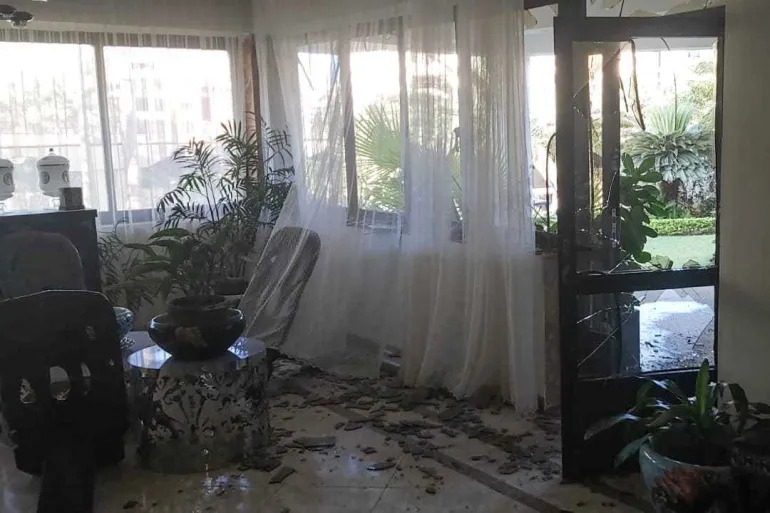
When he opened the door to his apartment, he discovered that the balcony had been blown out. Broken glass and shattered furniture lay all over the living room floor. The kitchen and bedrooms had also been damaged.
He quickly packed some of his belongings and is now staying in a rented apartment not too far from his place with friends who were also forced to leave their homes. Read More…