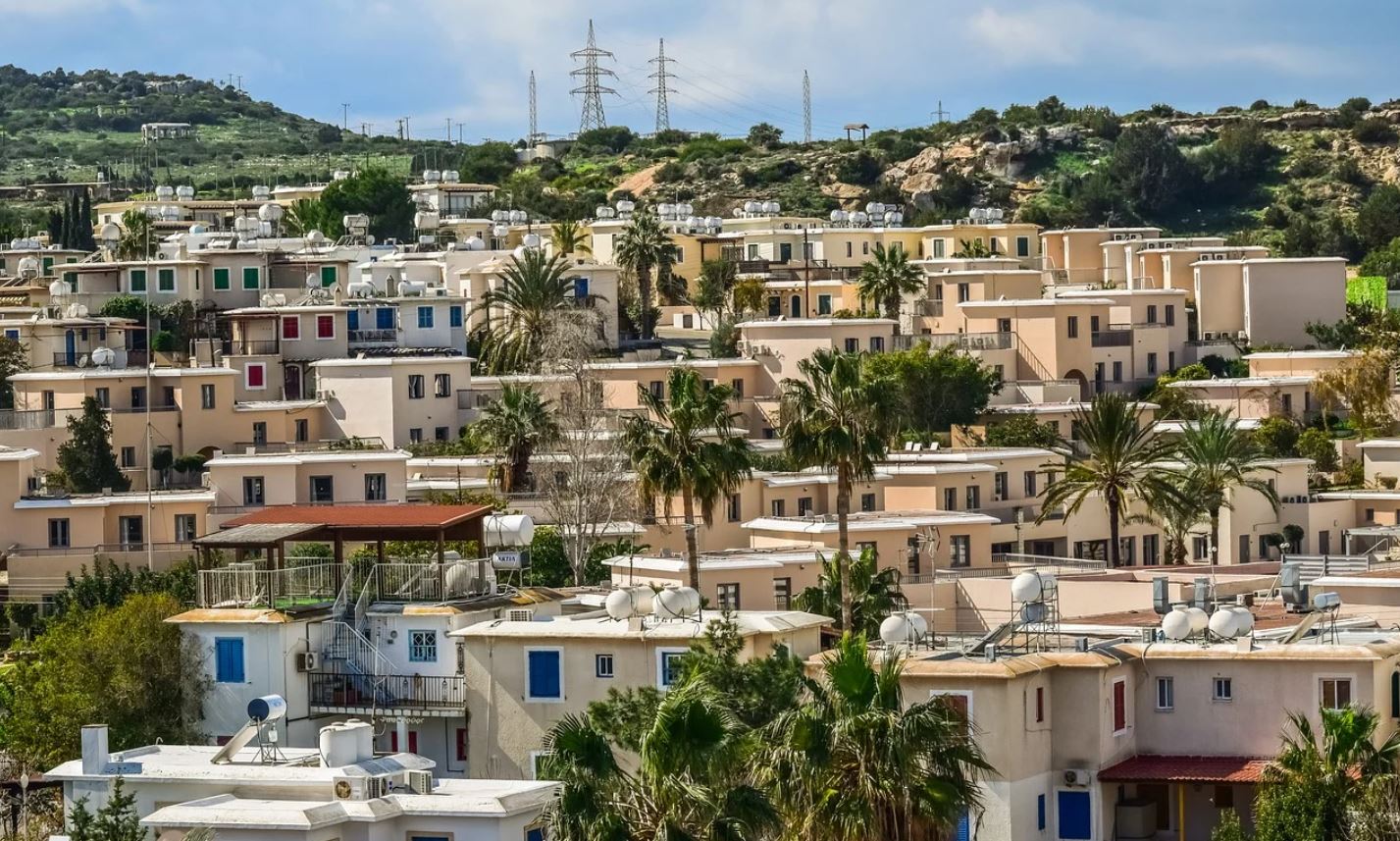
House Prices in Cyprus Continue to Rise, but at a Slower Rate
-
 Loading...
 - Josephine Monet
- 14 Mar 2025
- 39 Views
- 0 Like
- 0 Comment
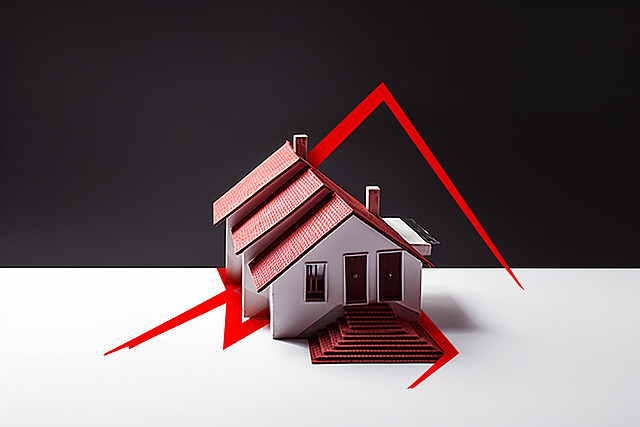
Recent data from the Central Bank of Cyprus (CBC) indicates that while house prices in Cyprus are still increasing, the rate of growth has slowed during the third quarter of 2024. The General House Price Index, which includes both houses and apartments, shows a notable deceleration, particularly in the apartment sector.
The House Price Index recorded a quarterly increase of 0.9%, down from 1.6% in the previous quarter, with an annual rise of 6.5%, compared to 8% earlier in the year. In contrast, the Apartment Price Index saw a more significant slowdown, with prices increasing by 8.8% annually, a decrease from 12% in the last quarter. This trend reflects a broader shift in the market dynamics.
Demand has shifted, with local buyers increasingly driving the market. The total number of sales contracts reached 4,081, marking a 6.6% annual increase. Local transactions rose by 13.7%, while foreign purchases fell by 2.3%. Most property transactions occurred in Limassol, followed by Larnaca, Nicosia, Paphos, and Famagusta. Paphos remains a favored location for foreign buyers, while local buyers dominate in other districts.
Price trends varied across different districts. For instance, Limassol saw a quarterly increase of 9%, while Nicosia experienced a modest rise of 1%. Annually, Paphos recorded the highest increase at 11.8%, followed closely by Famagusta at 11.1%. These variations highlight local supply and demand conditions, with Limassol and Nicosia having more new properties available, while Larnaca and Paphos face tighter supply.
Several factors are influencing the property market. The number of residential units approved for construction rose by 4% in the first half of 2024 compared to the same period in 2023. Additionally, construction costs have slightly decreased, and new mortgage lending has increased by 5%, reaching €270 million, although banks are maintaining strict lending criteria.
Looking ahead, the slowdown in price increases is expected to continue. An increase in property availability and a decline in foreign buyer demand are contributing to price stabilization. Research from the European Commission suggests that expectations for future property price growth are lower than in 2023, indicating a more cautious approach from buyers and investors. While prices are likely to keep rising, the pace of growth is expected to slow, suggesting a more balanced property market in Cyprus.