How 2022 Wiped Out a Decade of Progress in Russian Science
-
 Loading...
 - Boris Yeltsov
- 22 Feb 2023
- 60 Views
- 0 Like
- 0 Comment
The story of Russian science in the 21st century is in many ways my own story too. When I entered the field as a student intern in 2005, science in Russia was seen more as an exotic hobby than a profession.
Only professors and senior researchers earned enough to live from science; everyone else had to work part-time elsewhere, as the once well-funded Soviet science complex continued to come to terms with economic reality.
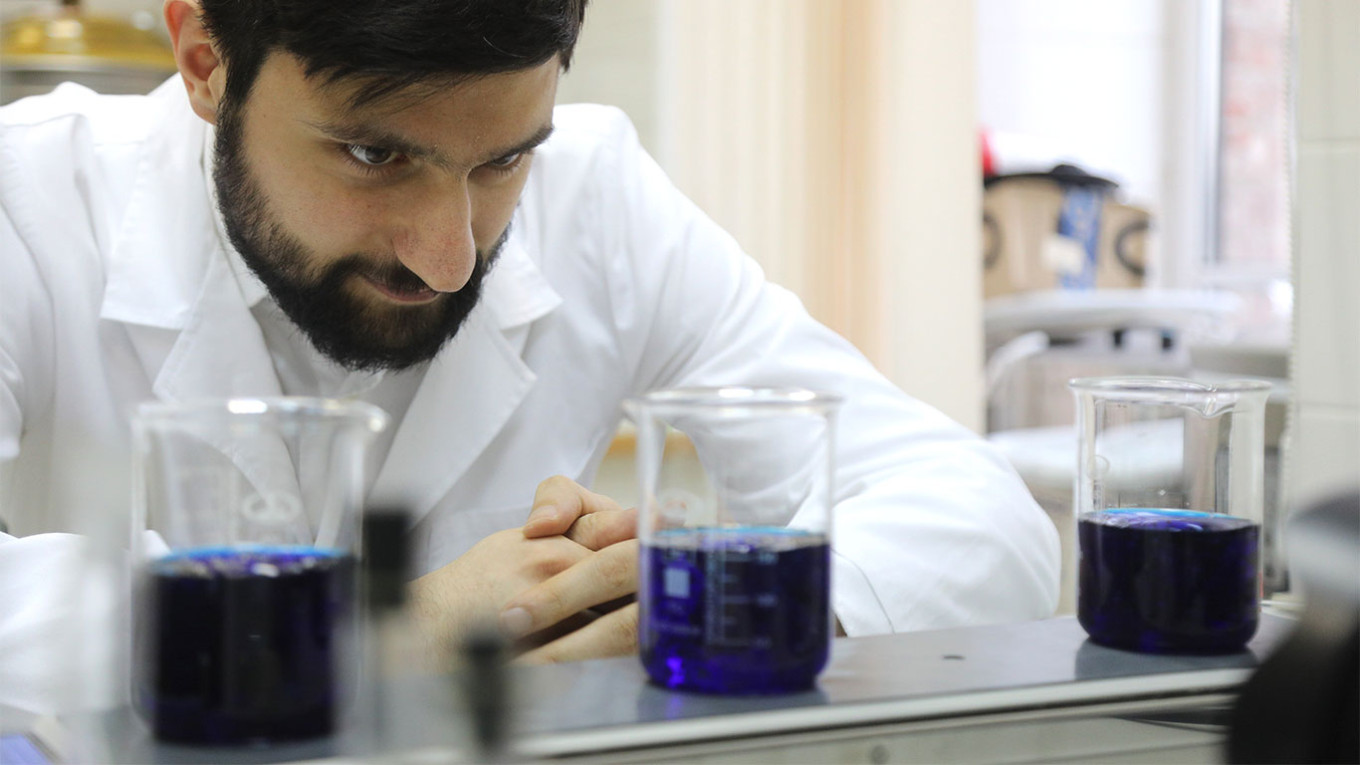
A decade later, however, the reverse was true — funded by the country's vast petrodollar receipts, Russian science had become so well-paid that those with scientific qualifications began to return to the sector in large numbers. Supported by ample research grants, young scientists not only worked on modern equipment and published papers in the world's leading scientific journals, but they could also afford luxuries that would have been unthinkable a decade earlier, such as buying an apartment.
Driving that change was a simple formula that had been repeated successfully the world over: namely increased funding coupled with the modernization of management processes such as competitive grant funding schemes and university excellence programs.
These ideas were all imported, of course, and were imposed in a top-down manner following the mantra of best practice, international standards and expertise. Russian researchers actively sought to expand international collaboration and openly lobbied for Russian science to ditch its reflexive Soviet-era secrecy.
Of course, science can only be a global enterprise — there is no such thing as national science, and history shows us that all successful scientists and scientific schools were the product of global interaction. Read More…