How do Finland’s elections work?
-
 Loading...
 - Rehema Abbas
- 21 Mar 2023
- 67 Views
- 0 Like
- 0 Comment
On Sunday 2nd April, voters in Finland will go to the polls to elect a new parliament.
Finland’s parliament, known locally as the Eduskunta, contains exactly 200 MPs. 199 of these are elected by Party List PR in twelve constituencies that elect more than one MP each – most of which elect between 14 and 19 MPs, using the D’Hondt method. The remaining seat is elected by the small autonomous Åland islands by First Past the Post, though the election is not particularly competitive with all the major Åland parties typically fielding a joint candidate.
Finland’s open list proportional representation system
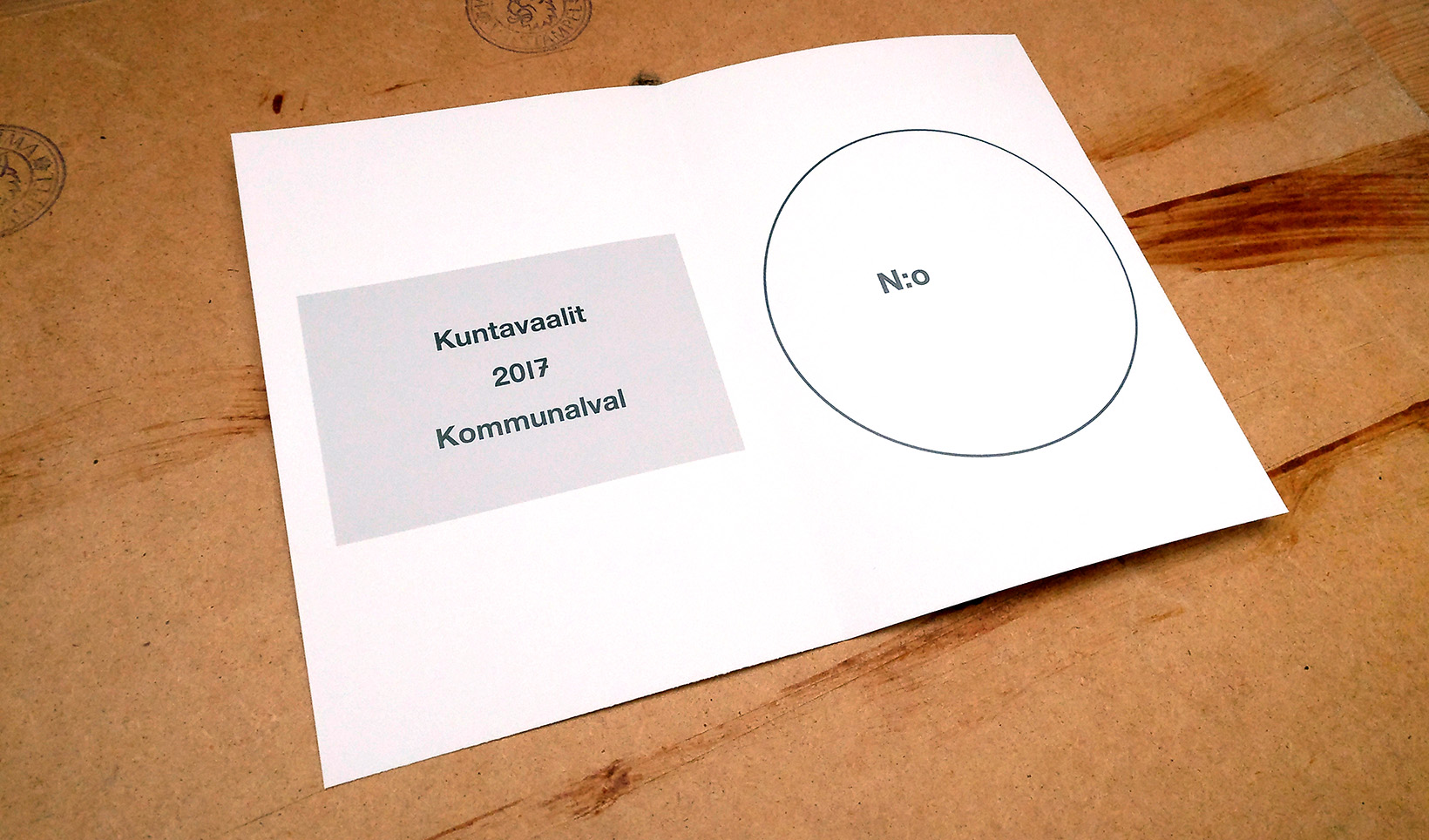
Voting in Finnish elections is rather unusual. Unlike in other countries where you have to choose from some form of printed list of candidates or parties or both, a Finnish ballot paper is just a blank piece of folded card with an empty circle printed on the inside. In this circle, you have to write the unique number assigned to your preferred candidate (with the lists of candidates, by party, displayed in each polling booth – each party usually stands multiple candidates).
These personal votes are hugely important as Finland operates a truly open list system. If a party wins three seats in a constituency, it is their three candidates with the highest personal votes who get elected. This is combined with membership primaries for deciding which candidates get on the list in the first place. In all, central party leaders have much less influence over who is elected than in most other countries. Read More…