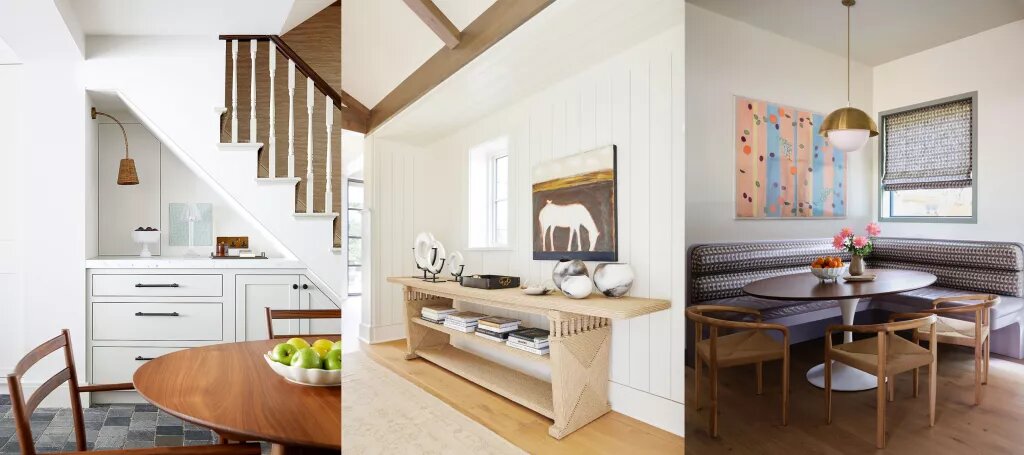
How do I fix dead space in my house? 6 transformative tips
-
 Loading...
 - Escobar Clyde
- 09 May 2023
- 70 Views
- 0 Like
- 0 Comment
Creating a functional and aesthetically pleasing home is a task that requires careful consideration of every inch of space available. A successful interior design involves tackling even the most challenging dead spaces, which can have a significant impact on the overall look and feel of your home.
A dead space provides an opportunity to create a unique design feature that not only enhances the room's appearance but also adds practical value. Whether it's an under-stairs storage area or a niche that can be transformed into a useful workspace, there are countless ways to harness the potential of dead zones in your home.
Explore how to fix the dead space in your home with six ideas below:
1. Under The Stairs

The area under the stairs is often disregarded and left unused in many homes, despite being a potential goldmine for creative design solutions. Its peculiar shape can make it a challenging space to work with, but with some clever ideas, it can be transformed into a functional and visually appealing part of your home.
For instance, unique shelving and cabinetry, or even a stunning piece of artwork on the wall can uplift the under-stair area. Additionally, if your stairs are situated in a hallway or entryway, the empty space underneath can be utilized as additional storage. By installing shelving, doors, or drawers, you can turn the irregular space under the stairs into a perfect storage solution for coats, shoes, seasonal items, or even a dog crate.
2. Play with Lighting

Lighting can make a huge difference in a dead space. If your area lacks natural light, consider adding artificial lighting such as floor lamps, table lamps, or even string lights. Strategically placed lighting can create a cozy and inviting atmosphere, making the space feel less lifeless.
3. Create Functional Zones

Dead spaces can be transformed into functional zones by adding furniture and décor. Consider adding a bookshelf, a comfortable chair, or a desk to create a reading nook or home office. If the space is small, consider a hanging shelf or a wall-mounted desk to save space. By creating functional zones, you'll give the space purpose and make it feel less dead.
4. Create A Colorful Workspace
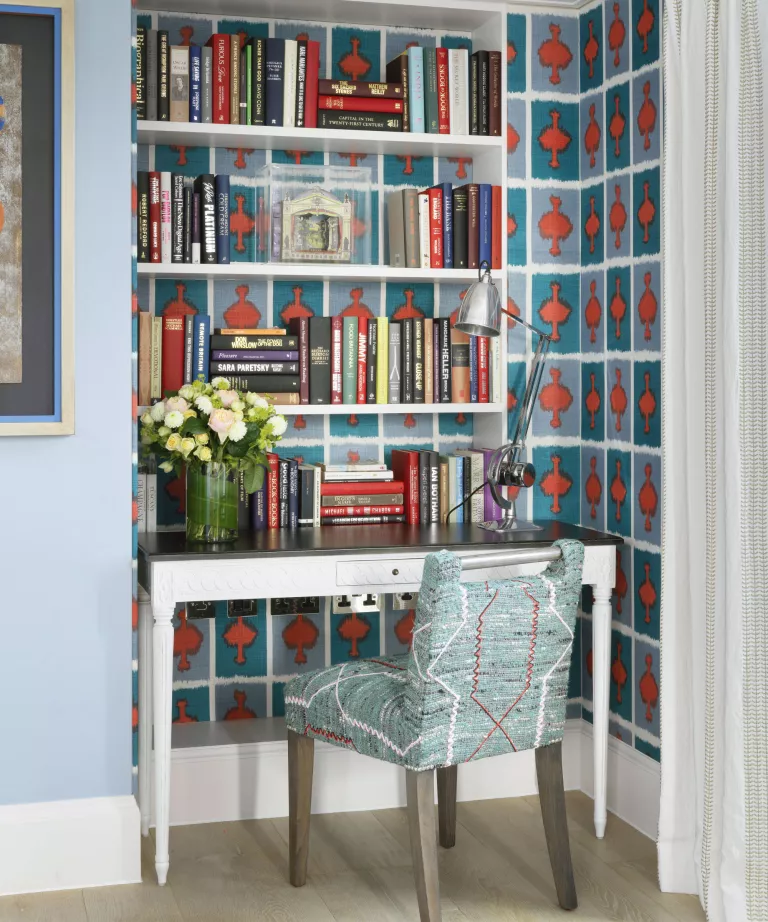
If you're looking for a practical way to make use of the alcoves and nooks in your home, consider transforming them into a compact workspace. With a few key additions, you can create a functional area that enhances productivity and elevates the value of your living space.
Start by adding a small desk, chair, bookshelf, and other office essentials. To maximize the area, consider installing built-in shelves or cabinets for extra storage. Good lighting is also essential, particularly if the nook lacks natural light. A small table lamp, pendant light, or recessed lighting can help brighten up the space and make it more comfortable to work in.
5. Incorporate Art and Décor

Art and décor can be used to add interest and personality to a dead space. Consider adding a gallery wall, a statement piece of art, or some unique décor items to create a focal point in the space. By incorporating art and décor, you'll give the space character and make it feel less lifeless.
6. Go Green

Plants can add life and vitality to a dead space. Consider adding a few indoor plants to bring some greenery and freshness to the space. If you're not confident with plant care, start with low-maintenance plants such as succulents or snake plants.
FAQs
1. What are dead spaces in a house?
Dead spaces are areas in your house that feel empty, lifeless, or lack purpose. They can be caused by awkward corners, odd-shaped rooms, or a lack of natural light.
2. How can I transform a dead space in my house?
You can transform a dead space in your house by assessing the space, playing with lighting, creating functional zones, adding texture and color, incorporating art and décor, and going green.


