How do you know if you've had a heart attack "in silence"
-
 Loading...
 - Chase Bennet
- 08 Sep 2022
- 65 Views
- 0 Like
- 0 Comment
But afterwards it is possible to find fairly clear signs that confirm the suspicions.
- It is not at all easy to recognize all the symptoms, that is the explanation for these "silent infarcts", says Jan Nilsson, professor and senior physician.
Here are the signals to be alert to.
The older we get, the greater the risk of suffering from cardiovascular diseases such as heart attacks. But hereditary factors can also play a role. Other risk factors, which increase the risk of being affected, are smoking, elevated blood fats, high blood pressure, overweight/obesity, diabetes and stress.
Heart attacks are more common among men. They have an increased risk from the age of 55, while women have an increased risk from 65. But the older we get, the more the difference evens out. In the end, women dominate the statistics. This is because they live longer on average than men.
Acute myocardial infarction - a classic sign
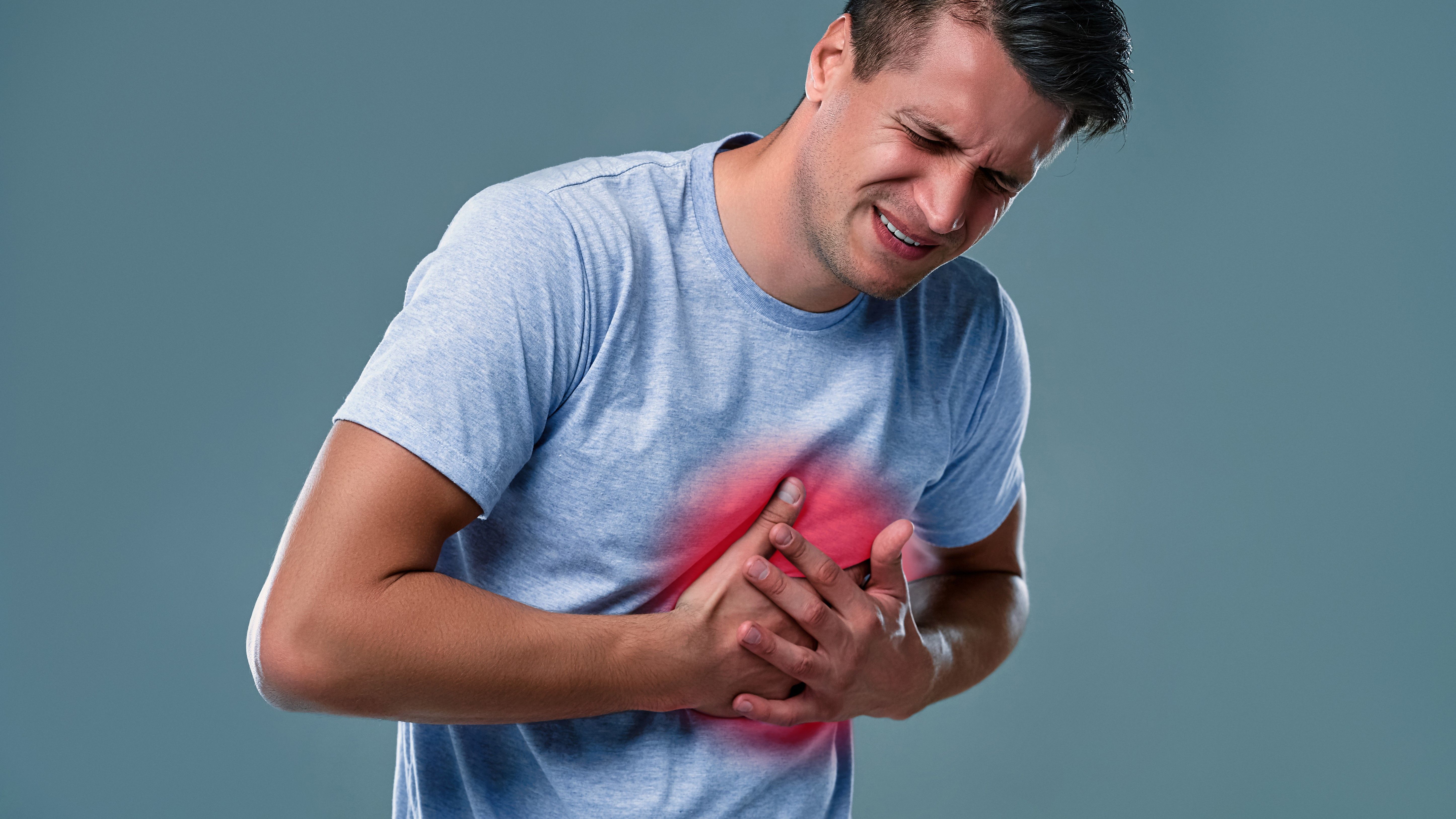
A classic sign of an acute heart attack is severe pain in the chest that can also radiate to the left arm. The pain is often described as a steel band, or the feeling that an elephant has stepped on the chest.

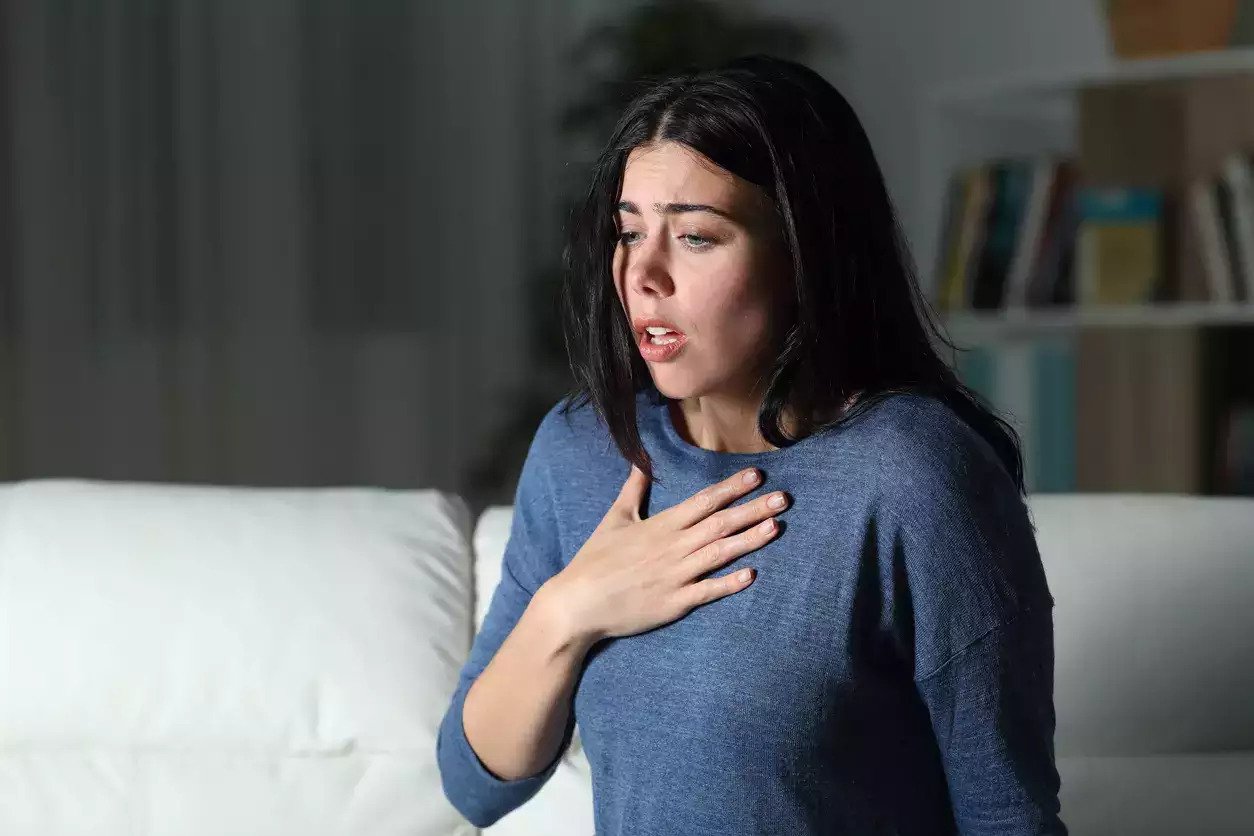
The more common signs of an acute heart attack also include difficulty breathing, cold sweats, feeling anxious and anxiety. Palpitations and dizziness can be symptoms of an ongoing heart attack - as can flu-like symptoms with simultaneous chest pain.
But if you haven't had these clear symptoms, but still suspect you may have had a heart attack - what are the subsequent signs you should be on the lookout for?
Jan Nilsson: "Much worse condition"
Jan Nilsson is a heart specialist, professor and chief physician at Skåne University Hospital. He is also a medical expert at the Heart-Lung Foundation .
He says:
- One sign is that you have suddenly become much less fit and can't bear as much as before. Another symptom is a cough that does not go away, it is also linked to a feeling that it is harder to breathe. Both of these symptoms are signs that you have heart failure, a damage to the heart muscle, which is the result of a heart attack. Read More…