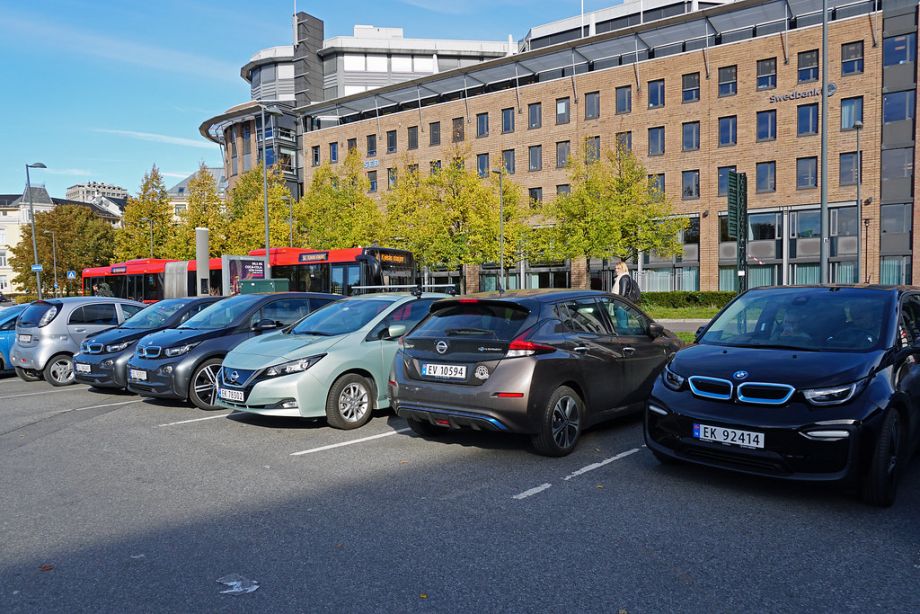
How Norway Became The World’s Electric Car Capital
-
 Loading...
 - Roberts Peter
- 14 Mar 2023
- 63 Views
- 0 Like
- 0 Comment
When Trondheim-based Magnus Korpås bought his first electric car in 2019, he settled on a Tesla — the model of car that offered the most charging stations available to him at the time. However, in just a few years, Norway built out its charging infrastructure so quickly that no matter what type of electric vehicle (EV) you choose, there’s virtually always a charging point nearby.
“In Norway, we’re quite used to electric vehicles. This is the common car now,” says the professor at the Norwegian University of Science and Technology. “You diverge from the standard if you buy something else, really.”
For the past three decades, Norway has doggedly endeavored to electrify its vehicle fleet, using a mix of infrastructure investments, subsidies and regulations to nudge people into electric cars. The results have been remarkable: 20% of cars on the road are EVs, and Norway was the first country in the world to see EV car sales begin to outpace fossil fuel car sales. Today, 80% of new cars sold in Norway are electric.
By comparison, the U.S. is woefully lagging. It is estimated that less than 1% of cars on U.S. roads are electric, and while EV sales are rapidly growing stateside, they still account for just under 5% of new cars sold in the country. The Inflation Reduction Act (IRA) is meant to help speed the transition from fossil fuel cars to EVs as part of a bid to reduce the country’s greenhouse gas emissions, about 27% of which are attributable to transportation. Read More…