Home Upload Photo Upload Videos Write a Blog Analytics Messaging Streaming Create Adverts Creators Program
Bebuzee Afghanistan Bebuzee Albania Bebuzee Algeria Bebuzee Andorra Bebuzee Angola Bebuzee Antigua and Barbuda Bebuzee Argentina Bebuzee Armenia Bebuzee Australia Bebuzee Austria Bebuzee Azerbaijan Bebuzee Bahamas Bebuzee Bahrain Bebuzee Bangladesh Bebuzee Barbados Bebuzee Belarus Bebuzee Belgium Bebuzee Belize Bebuzee Benin Bebuzee Bhutan Bebuzee Bolivia Bebuzee Bosnia and Herzegovina Bebuzee Botswana Bebuzee Brazil Bebuzee Brunei Bebuzee Bulgaria Bebuzee Burkina Faso Bebuzee Burundi Bebuzee Cabo Verde Bebuzee Cambodia Bebuzee Cameroon Bebuzee Canada Bebuzee Central African Republic Bebuzee Chad Bebuzee Chile Bebuzee China Bebuzee Colombia Bebuzee Comoros Bebuzee Costa Rica Bebuzee Côte d'Ivoire Bebuzee Croatia Bebuzee Cuba Bebuzee Cyprus Bebuzee Czech Republic Bebuzee Democratic Republic of the Congo Bebuzee Denmark Bebuzee Djibouti Bebuzee Dominica Bebuzee Dominican Republic Bebuzee Ecuador Bebuzee Egypt Bebuzee El Salvador Bebuzee Equatorial Guinea Bebuzee Eritrea Bebuzee Estonia Bebuzee Eswatini Bebuzee Ethiopia Bebuzee Fiji Bebuzee Finland Bebuzee France Bebuzee Gabon Bebuzee Gambia Bebuzee Georgia Bebuzee Germany Bebuzee Ghana Bebuzee Greece Bebuzee Grenada Bebuzee Guatemala Bebuzee Guinea Bebuzee Guinea-Bissau Bebuzee Guyana Bebuzee Haiti Bebuzee Honduras Bebuzee Hong Kong Bebuzee Hungary Bebuzee Iceland Bebuzee India Bebuzee Indonesia Bebuzee Iran Bebuzee Iraq Bebuzee Ireland Bebuzee Israel Bebuzee Italy Bebuzee Jamaica Bebuzee Japan Bebuzee Jordan Bebuzee Kazakhstan Bebuzee Kenya Bebuzee Kiribati Bebuzee Kuwait Bebuzee Kyrgyzstan Bebuzee Laos Bebuzee Latvia Bebuzee Lebanon Bebuzee Lesotho Bebuzee Liberia Bebuzee Libya Bebuzee Liechtenstein Bebuzee Lithuania Bebuzee Luxembourg Bebuzee Madagascar Bebuzee Malawi Bebuzee Malaysia Bebuzee Maldives Bebuzee Mali Bebuzee Malta Bebuzee Marshall Islands Bebuzee Mauritania Bebuzee Mauritius Bebuzee Mexico Bebuzee Micronesia Bebuzee Moldova Bebuzee Monaco Bebuzee Mongolia Bebuzee Montenegro Bebuzee Morocco Bebuzee Mozambique Bebuzee Myanmar Bebuzee Namibia Bebuzee Nauru Bebuzee Nepal Bebuzee Netherlands Bebuzee New Zealand Bebuzee Nicaragua Bebuzee Niger Bebuzee Nigeria Bebuzee North Korea Bebuzee North Macedonia Bebuzee Norway Bebuzee Oman Bebuzee Pakistan Bebuzee Palau Bebuzee Panama Bebuzee Papua New Guinea Bebuzee Paraguay Bebuzee Peru Bebuzee Philippines Bebuzee Poland Bebuzee Portugal Bebuzee Qatar Bebuzee Republic of the Congo Bebuzee Romania Bebuzee Russia Bebuzee Rwanda Bebuzee Saint Kitts and Nevis Bebuzee Saint Lucia Bebuzee Saint Vincent and the Grenadines Bebuzee Samoa Bebuzee San Marino Bebuzee São Tomé and Príncipe Bebuzee Saudi Arabia Bebuzee Senegal Bebuzee Serbia Bebuzee Seychelles Bebuzee Sierra Leone Bebuzee Singapore Bebuzee Slovakia Bebuzee Slovenia Bebuzee Solomon Islands Bebuzee Somalia Bebuzee South Africa Bebuzee South Korea Bebuzee South Sudan Bebuzee Spain Bebuzee Sri Lanka Bebuzee Sudan Bebuzee Suriname Bebuzee Sweden Bebuzee Switzerland Bebuzee Syria Bebuzee Taiwan Bebuzee Tajikistan Bebuzee Tanzania Bebuzee Thailand Bebuzee Timor-Leste Bebuzee Togo Bebuzee Tonga Bebuzee Trinidad and Tobago Bebuzee Tunisia Bebuzee Turkey Bebuzee Turkmenistan Bebuzee Tuvalu Bebuzee Uganda Bebuzee Ukraine Bebuzee United Arab Emirates Bebuzee United Kingdom Bebuzee Uruguay Bebuzee Uzbekistan Bebuzee Vanuatu Bebuzee Venezuela Bebuzee Vietnam Bebuzee World Wide Bebuzee Yemen Bebuzee Zambia Bebuzee Zimbabwe
Blog Image

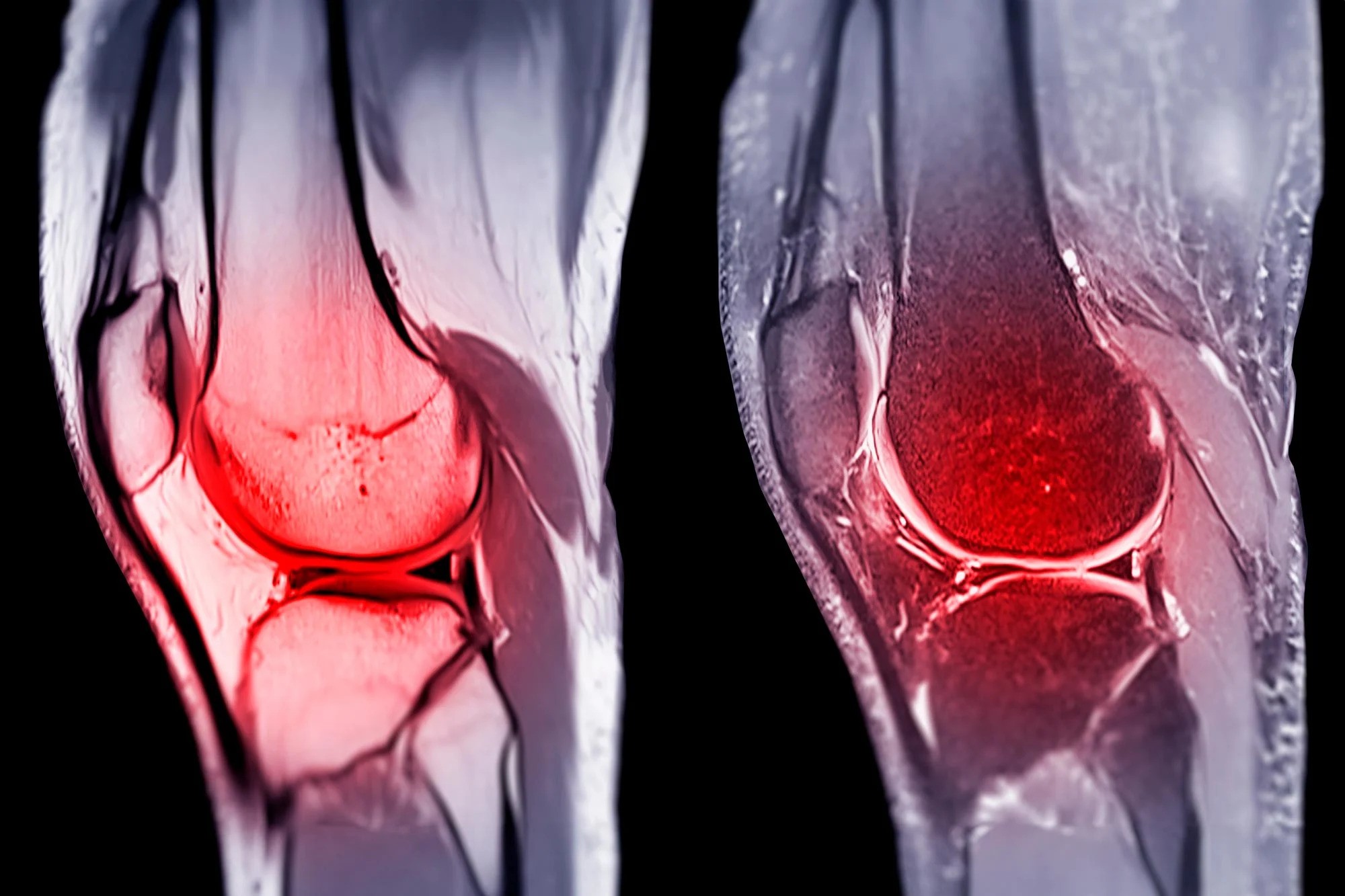
How Processed Foods Trigger Fat Build-Up in Muscle Tissue

Processed foods can contribute to fat build-up in muscle tissue through several mechanisms. Understanding these processes can help individuals make informed dietary choices. Here are some key factors that explain how processed foods may lead to fat accumulation in muscle tissue:

1. High Caloric Density

Processed foods are often high in calories but low in nutritional value. They typically contain added sugars, unhealthy fats, and refined carbohydrates, which can lead to excessive caloric intake. When the body consumes more calories than it burns, the excess energy is stored as fat, including in muscle tissue.

2. Insulin Resistance

Many processed foods have a high glycemic index, leading to rapid spikes in blood sugar levels. This triggers the pancreas to release insulin, a hormone that helps cells absorb glucose. Over time, frequent consumption of high-sugar and high-carb processed foods can lead to insulin resistance, where the body's cells become less responsive to insulin. This condition can promote fat storage, including in muscle tissue, as the body struggles to manage glucose levels effectively.

3. Increased Fatty Acid Synthesis

Processed foods often contain trans fats and saturated fats, which can promote the synthesis of fatty acids in the liver. When these fatty acids are produced in excess, they can be transported to muscle tissue and stored as fat, contributing to fat build-up.

4. Altered Hormonal Balance

The consumption of processed foods can disrupt the balance of hormones that regulate metabolism and fat storage. For example, high sugar intake can lead to increased levels of cortisol, a stress hormone that is associated with fat accumulation. Additionally, imbalances in hormones like leptin and ghrelin, which regulate hunger and satiety, can lead to overeating and further fat storage.

5. Inflammation

Processed foods are often high in additives, preservatives, and unhealthy fats, which can promote inflammation in the body. Chronic inflammation is linked to various metabolic disorders and can impair the body’s ability to utilize fat for energy, leading to increased fat storage in muscle tissue.

6. Reduced Nutrient Density

Processed foods typically lack essential nutrients, such as vitamins, minerals, and fiber, which are important for overall health and metabolic function. A diet low in these nutrients can impair muscle function and recovery, potentially leading to increased fat accumulation as the body becomes less efficient at utilizing energy.

7. Impact on Gut Health

The consumption of processed foods can negatively affect gut microbiota, leading to dysbiosis (an imbalance in gut bacteria). This imbalance can influence metabolism and fat storage, as gut health plays a crucial role in nutrient absorption and energy regulation.

To mitigate the risk of fat build-up in muscle tissue, it is advisable to limit the intake of processed foods and focus on a balanced diet rich in whole foods, including fruits, vegetables, whole grains, lean proteins, and healthy fats. This approach not only supports muscle health but also promotes overall well-being and metabolic efficiency.


Previous Post

6 Best Stretching Exercises for Seniors

Next Post

Women with Obesity Report Negative Experiences in the Norwegian Healthcare System

Comments