Home Upload Photo Upload Videos Write a Blog Analytics Messaging Streaming Create Adverts Creators Program
Bebuzee Afghanistan Bebuzee Albania Bebuzee Algeria Bebuzee Andorra Bebuzee Angola Bebuzee Antigua and Barbuda Bebuzee Argentina Bebuzee Armenia Bebuzee Australia Bebuzee Austria Bebuzee Azerbaijan Bebuzee Bahamas Bebuzee Bahrain Bebuzee Bangladesh Bebuzee Barbados Bebuzee Belarus Bebuzee Belgium Bebuzee Belize Bebuzee Benin Bebuzee Bhutan Bebuzee Bolivia Bebuzee Bosnia and Herzegovina Bebuzee Botswana Bebuzee Brazil Bebuzee Brunei Bebuzee Bulgaria Bebuzee Burkina Faso Bebuzee Burundi Bebuzee Cabo Verde Bebuzee Cambodia Bebuzee Cameroon Bebuzee Canada Bebuzee Central African Republic Bebuzee Chad Bebuzee Chile Bebuzee China Bebuzee Colombia Bebuzee Comoros Bebuzee Costa Rica Bebuzee Côte d'Ivoire Bebuzee Croatia Bebuzee Cuba Bebuzee Cyprus Bebuzee Czech Republic Bebuzee Democratic Republic of the Congo Bebuzee Denmark Bebuzee Djibouti Bebuzee Dominica Bebuzee Dominican Republic Bebuzee Ecuador Bebuzee Egypt Bebuzee El Salvador Bebuzee Equatorial Guinea Bebuzee Eritrea Bebuzee Estonia Bebuzee Eswatini Bebuzee Ethiopia Bebuzee Fiji Bebuzee Finland Bebuzee France Bebuzee Gabon Bebuzee Gambia Bebuzee Georgia Bebuzee Germany Bebuzee Ghana Bebuzee Greece Bebuzee Grenada Bebuzee Guatemala Bebuzee Guinea Bebuzee Guinea-Bissau Bebuzee Guyana Bebuzee Haiti Bebuzee Honduras Bebuzee Hong Kong Bebuzee Hungary Bebuzee Iceland Bebuzee India Bebuzee Indonesia Bebuzee Iran Bebuzee Iraq Bebuzee Ireland Bebuzee Israel Bebuzee Italy Bebuzee Jamaica Bebuzee Japan Bebuzee Jordan Bebuzee Kazakhstan Bebuzee Kenya Bebuzee Kiribati Bebuzee Kuwait Bebuzee Kyrgyzstan Bebuzee Laos Bebuzee Latvia Bebuzee Lebanon Bebuzee Lesotho Bebuzee Liberia Bebuzee Libya Bebuzee Liechtenstein Bebuzee Lithuania Bebuzee Luxembourg Bebuzee Madagascar Bebuzee Malawi Bebuzee Malaysia Bebuzee Maldives Bebuzee Mali Bebuzee Malta Bebuzee Marshall Islands Bebuzee Mauritania Bebuzee Mauritius Bebuzee Mexico Bebuzee Micronesia Bebuzee Moldova Bebuzee Monaco Bebuzee Mongolia Bebuzee Montenegro Bebuzee Morocco Bebuzee Mozambique Bebuzee Myanmar Bebuzee Namibia Bebuzee Nauru Bebuzee Nepal Bebuzee Netherlands Bebuzee New Zealand Bebuzee Nicaragua Bebuzee Niger Bebuzee Nigeria Bebuzee North Korea Bebuzee North Macedonia Bebuzee Norway Bebuzee Oman Bebuzee Pakistan Bebuzee Palau Bebuzee Panama Bebuzee Papua New Guinea Bebuzee Paraguay Bebuzee Peru Bebuzee Philippines Bebuzee Poland Bebuzee Portugal Bebuzee Qatar Bebuzee Republic of the Congo Bebuzee Romania Bebuzee Russia Bebuzee Rwanda Bebuzee Saint Kitts and Nevis Bebuzee Saint Lucia Bebuzee Saint Vincent and the Grenadines Bebuzee Samoa Bebuzee San Marino Bebuzee São Tomé and Príncipe Bebuzee Saudi Arabia Bebuzee Senegal Bebuzee Serbia Bebuzee Seychelles Bebuzee Sierra Leone Bebuzee Singapore Bebuzee Slovakia Bebuzee Slovenia Bebuzee Solomon Islands Bebuzee Somalia Bebuzee South Africa Bebuzee South Korea Bebuzee South Sudan Bebuzee Spain Bebuzee Sri Lanka Bebuzee Sudan Bebuzee Suriname Bebuzee Sweden Bebuzee Switzerland Bebuzee Syria Bebuzee Taiwan Bebuzee Tajikistan Bebuzee Tanzania Bebuzee Thailand Bebuzee Timor-Leste Bebuzee Togo Bebuzee Tonga Bebuzee Trinidad and Tobago Bebuzee Tunisia Bebuzee Turkey Bebuzee Turkmenistan Bebuzee Tuvalu Bebuzee Uganda Bebuzee Ukraine Bebuzee United Arab Emirates Bebuzee United Kingdom Bebuzee Uruguay Bebuzee Uzbekistan Bebuzee Vanuatu Bebuzee Venezuela Bebuzee Vietnam Bebuzee World Wide Bebuzee Yemen Bebuzee Zambia Bebuzee Zimbabwe
Blog Image

How the Brain Changes During Depression Treatment

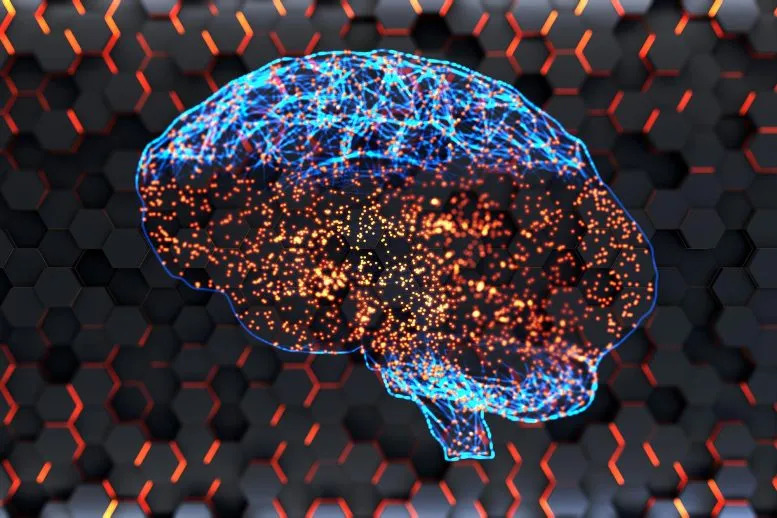
A new study maps how the brain changes throughout depression treatment.

Researchers have for the first time shown what occurs in the brain during repetitive transcranial magnetic stimulation (rTMS), a treatment for depression. On May 18, 2022, the findings were published in the American Journal of Psychiatry.

When other strategies, such as medications, have failed to help a patient with their depression, rTMS is often used as a treatment. Antidepressants are thought to be ineffective for around 40% of those who have serious depression.

A device with an electromagnetic coil is pressed on the patient’s scalp during an rTMS session. A painless magnetic pulse is then delivered by the device, stimulating nerve cells in the dorsolateral prefrontal cortex, a part of the brain involved in mood regulation.

Although rTMS has been shown to be effective, the mechanisms behind its effects on the brain are still poorly understood.

“When we first started this research, the question we were asking was very simple: we wanted to know what happens to the brain when rTMS treatment is being delivered,” says Dr. Fidel Vila-Rodriguez, an assistant professor at the department of psychiatry and researcher at the Djavad Mowafaghian Centre for Brain Health (DMCBH).

To answer this question, Dr. Vila-Rodriguez and his team delivered one round of rTMS to patients while they were inside a magnetic resonance imaging (MRI) scanner. Since the MRI can measure brain activity, the researchers were able to see in real-time what changes were happening in the brain.

The team found that by stimulating the dorsolateral prefrontal cortex, several other regions of the brain were also activated. These other regions are involved in multiple functions — from managing emotional responses to memory and motor control.

The participants then underwent another four weeks of rTMS treatment and the team assessed whether the activated regions were associated with patients having fewer symptoms of depression when their treatment ended.

“We found that regions of the brain that were activated during the concurrent rTMS-fMRI were significantly related to good outcomes,” says Dr. Vila-Rodriguez.

With this new map of how rTMS stimulates different areas of the brain, Dr. Villa Rodriguez hopes the findings could be used to determine how well a patient is responding to rTMS treatments.

“By demonstrating this principle and identifying regions of the brain that are activated by rTMS, we can now try to understand whether this pattern can be used as a biomarker,” he says.

Dr. Vila-Rodriguez is now exploring how rTMS can be used to treat a range of neuropsychiatric disorders. He has received funding through the Djavad Mowafaghian Centre for Brain Health Alzheimer’s Disease Research Competition to look at rTMS as a way to enhance memory in patients who are showing early signs of Alzheimer’s disease. He also received a grant from the Institutes of Health Research (CIHR) to study whether the rTMS brain activation patterns can be detected by changes in heart rate.

Dr. Vila-Rodriguez says this type of research will hopefully encourage more widespread adoption and accessibility of rTMS treatments across the country. Despite being approved by Health 20 years ago, rTMS is still not widely available. There are some private clinics that offer rTMS, but it is not covered by the provincial health plan. Read More...


Previous Post

Human Ancestor Fossils in the “Cradle of Humankind” May Be More Than a Million Years Older Than Thought

Next Post

Hubble Captures a Glittering Hoard in an Astronomical Treasure Trove

Comments