How the Venezuelan Opposition Could Win
-
 Loading...
 - Carmina Santos
- 01 Jun 2020
- 905 Views
- 0 Like
- 0 Comment
In late March, the Constitutional Chamber of Venezuela’s Supreme Tribunal issued a breathtaking pair of rulings that threatened the foundations of the separation of powers. In their rulings, the judges urged President Nicolas Maduro to jail opposition figures in the National Assembly for treason, illegally authorized him to modify national hydrocarbon policy, and declared that either they themselves, or whoever they appointed, would subsume the constitutional prerogatives of the National Assembly. In other words, they took a stab at nullifying the legislature.
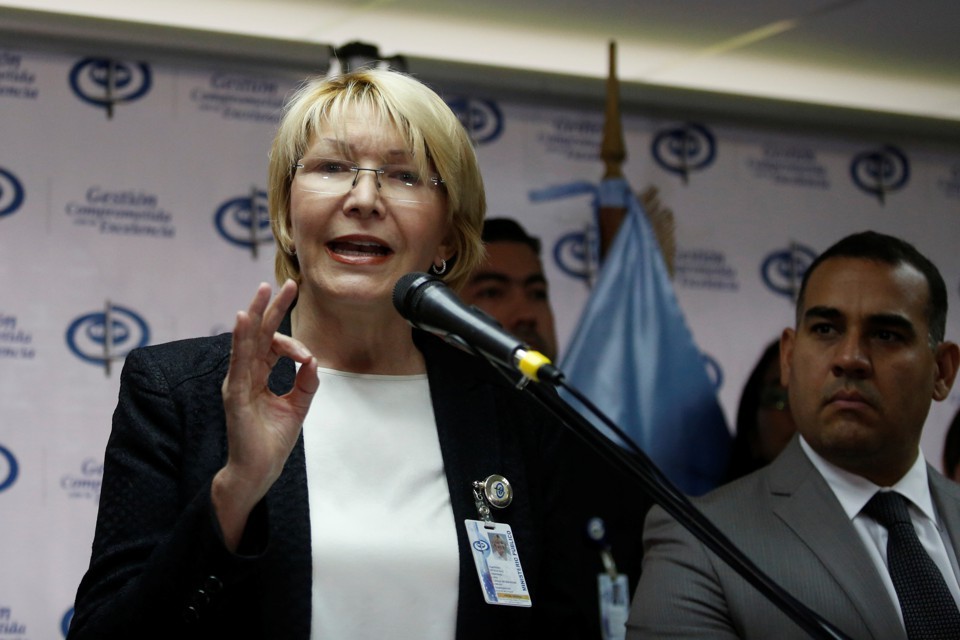
Days later, Luisa Ortega, Venezuela’s chief of public prosecutions, delivered her yearly address to the press and top members of her staff. She did not let the court’s rulings go unaddressed. The decision to undermine and usurp the assembly’s authority, Ortega said, amounted a “clear rupture of the constitutional order.” By withdrawing all powers from the elected, opposition-controlled National Assembly, Maduro had breached the constitution. In itself, this wasn’t exactly a controversial position among most Venezuelans. But for Ortega to say it, from her position as a longtime pillar of the regime, was a bombshell. The gravity of her words notwithstanding, she smiled and thanked the audience as if she had just won a beauty pageant. All around, her staff thundered applause.
Ortega’s words certainly shook Maduro. Until late March, she was still considered a member in good standing with the chavistas, members of the political movement founded by the late Hugo Chávez. Ortega was a key enforcer of so-called “chavista justice,” prosecuting political opponents of the regime, including Leopoldo Lopez, Venezuela’s most-prominent political prisoner, on often-flimsy charges. While some opposition commentators were skeptical of her sudden swerve, dismissing it as a bluff devised by Maduro strategists to show that some semblance of the separation of powers remained, the government seemed caught off-guard, taking several days to deliver a unified response.
Ortega’s reversal, in other words, became the first crack in a fracturing regime. But for the opposition to actually oust Maduro, or at least restore some balance of power, will require more than just a change of heart from one pragmatic public official.
The current round of heavy protests began in April, sparked by dire living conditions and the realization that Venezuela seems to have lurched into full-on dictatorship. Ortega, the key official the government would need to prosecute protesters, began refusing to go along. The prosecutors in her office simply would not move against people for exercising their constitutional right to protest. The regime needed a workaround—and a workaround is what it found.
During the week of April 10, the National Police and National Guard began bringing demonstrators before military courts, subjecting the largely college-age demonstrators to court-martial. In many cases, civilian protesters are arrested, tried, and convicted all on the same day. Many constitutional experts have argued this is a clear violation of human rights; Ortega voiced her concern over these courts-martial in a recent interview with The Wall Street Journal.
On May 18, Ortega blasted Maduro’s proposed solution to the crisis, a constituent assembly that would create a new constitution; this, Ortega said, would only exacerbate the confrontation. Maduro’s plan to rewrite the constitution has been criticized, because it doesn’t comply with the minimum constitutional requirements—a popular vote—for it to be set in motion.
In the past, government violence alone may have been enough to discourage demonstrations. But this time, the protests remain fueled by the deep crisis and the dwindling prospects for Venezuela’s future. Staggering food and medicine shortages and record-breaking inflation have forced many to scavenge through trash for food.
Since the Supreme Tribunal and the executive’s subversion of constitutional order, all eyes have turned towards Ortega. She is in a position of power that grants her several courses of action.
Ortega has a seat on the Republican Moral Council, the main body of the Citizen Branch, one of the five branches of government in Venezuela, along with the comptroller general, and the ombudsman, a man named Tarek William Saab. The council is tasked with oversight of public officials, sanctioning them when applicable. (There are no previous examples of such a sanction, as the council has been dormant until now.) It makes decisions through a simple-majority vote, and, theoretically, could remove Supreme Tribunal judges for serious offenses, such as violating the constitution by usurping the functions of the National Assembly.