How to BBQ right: 17 tips for professional results every time
-
 Loading...
 - Amelie Fischer
- 27 Jul 2022
- 94 Views
- 0 Like
- 0 Comment
Master how to BBQ right with our expert tips and guidance from professionals to make your outdoor cooking experience all the more enjoyable (and successful) this summer.
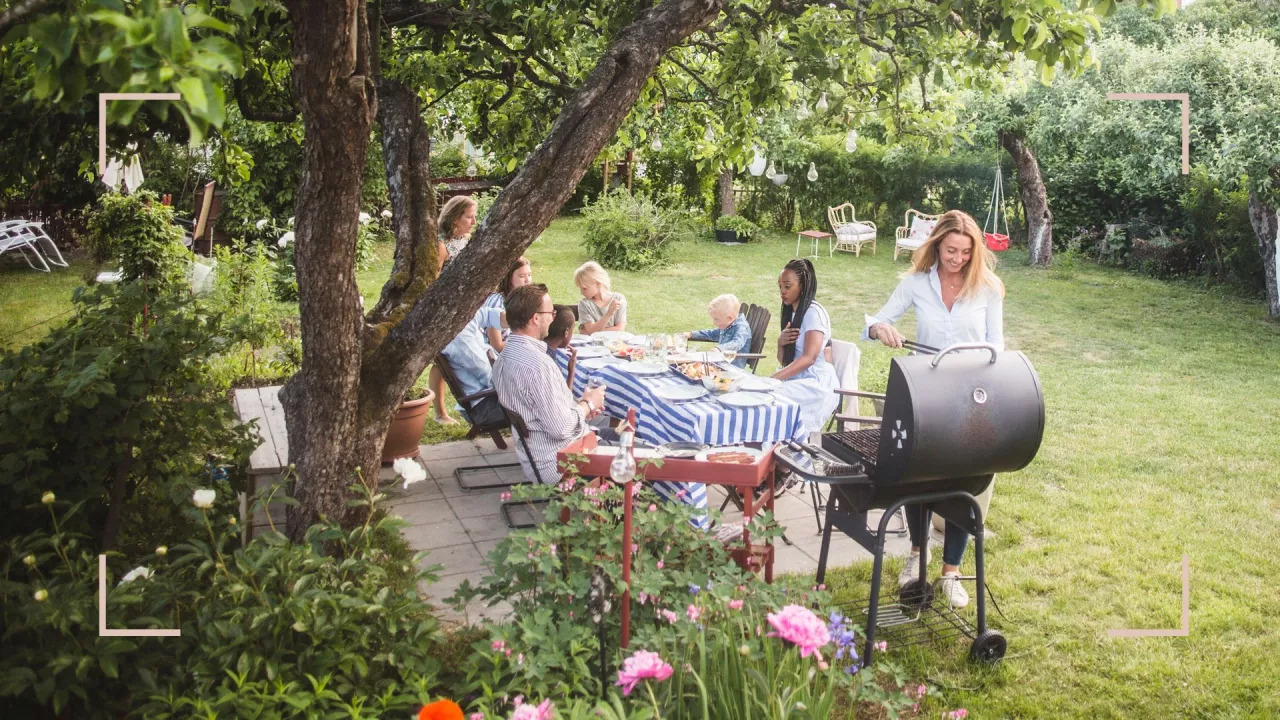
Conquering the art of outdoor cooking is key to hosting sociable summer dinners and garden parties in style. But it's often a misconception, given the relative simplicity of a BBQ compared to some ovens, that cooking on a BBQ is an easy option. The fact is that many of us don't know how to BBQ right to get the same results time after time.
Our expert guide provides professional advice and tips to help you get the desired result from your BBQ every time. From how to light a BBQ for the best results, to masterful makeshift outdoor kitchen ideas and tips for ensuring everything is cooked thoroughly, bookmark this page to improve your outdoor grill game this summer.
HOW TO BBQ RIGHT ACCORDING TO GRILL AND FOOD PROFESSIONALS
1. MAKE SURE YOUR BBQ IS HOT ENOUGH BEFORE YOU START COOKING
This may seem an obvious tip, but not heating a BBQ to the correct temperature before you begin cooking is often the cause of many outdoor cooking errors.
"BBQs generally fall into one of two camps – charcoal and gas," explains Jess Meyer. "While a gas BBQ can generally be utilized in much the same way as an indoor grill or griddle pan, a charcoal BBQ requires a little more love and care. Both have their strengths and charms, so the choice is entirely up to your personal preference."
"For fans of gas barbecues, the ease of prep is a big selling point. Fire up a gas barbie and you’re ready to cook. Much like cooking on a cast iron skillet, griddle or frying pan, the main point to remember here is to heat the grill adequately before adding the food," Jess explains. "Most gas barbecues come with a lid and internal thermometer so you can keep an eye on the temp, but generally you’ll know it’s ready when the grill plate is slightly smoking and you get that satisfying sizzle when the food hits the grill."
2. USE SAFE MEASURES TO LIGHT
If you have a charcoal BBQ, don't be tempted to get the fire alight with anything other than proper BBQ firelighters.
"Always buy firelighters that are suitable for cooking - you don’t want any nasty chemicals around your food," advises Jess. "A BBQ chimney starter is a worthy investment if you’re working with charcoal as this will both speed up the lighting, and make arranging the coals in the BBQ easier."
"If using logs, arrange them directly in the base of your BBQ in a Jenga shape around the firelighter," suggests Jess. "Once the wood has burnt down to red-hot embers, you can manoeuvre these around the base using a long-handled poker or shovel, banking to one side for indirect heat, or spreading them out for direct heat cooking."
3. ZONE YOUR COALS AND WORK WITH TEMPERATURE HOTSPOTS
Create an optimum cooking surface on a charcoal grill by zoning your BBQ.
This is the same concept as when cooking in the oven, where you choose different heats for different dishes. "Most BBQ cookery requires two temperature zones," explains Jess. "Direct grilling is where the food is cooked directly over the heat source, whereas for indirect grilling the coals are banked to one side, and the food is cooked over the other section, where it's a little cooler."
"In general, you’ll use the indirect setup for cooking food through - whether this is meat, fish, or veggies. It’s also useful for low and slow-style cooking and hot smoking. Direct heat grilling on the other hand is good for smaller items like kebabs, or for giving a final surface char to almost cooked cuts - steaks or chicken thighs for example."
"Steaks will need a higher heat and frequent turning while sausages benefit from a more moderate heat and less frequent turning," says Catharine.
Advising how to achieve different temperatures on a BBQ Catharine explains, "Use the edges of your grill to control the heat if things are cooking too quickly."
4. ADD FLAVORED WOOD CHIPS
Choose the right materials to maximize flavor. "Go for charcoal for full-bodied smoky flavor. If you want to take the flavor to the next level, add some wood chips," says Catharine Edwards, Culinary Manager at Garden Gourmet.
"There are loads of flavour options, from beechwood, hickory, apple, cherry and mesquite. They also made a great present for any budding BBQ masters. You can soak the chips in water to prevent them from burning up too quickly, or my top tip is to create a foil parcel (use strong or double-layer foil) for them, leaving only a small hole open in the top for the smoke to come out.
5. SET UP A BBQ WORK STATION
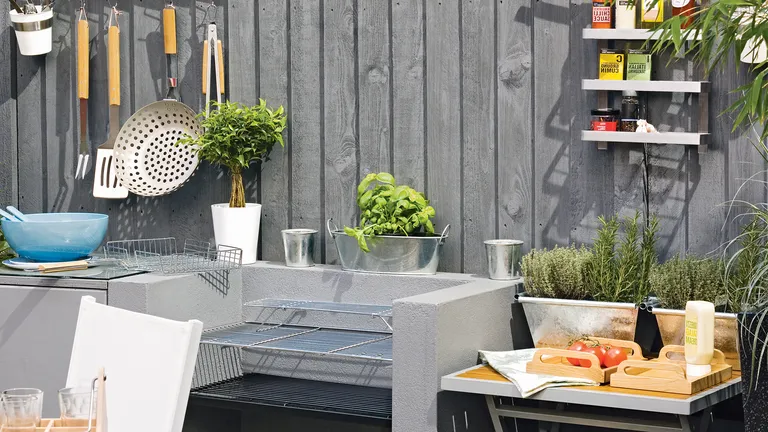
Apply the same rules for your outdoor kitchen as you do when planning how to organize a kitchen by having everything essential to hand.
"The first thing you need to do is set up a station with all the tools you will need throughout the day, such as tongs, brushes, marinades, spatulas, and plates with foil to cover food that is ready," says Lizzie. This means you won’t need to run back into the kitchen or wait for someone to bring you it and risk overcooking or burning any food."
"It will make the whole process of BBQing a lot calmer, organized, and enjoyable. It’s also advisable to have two sets of utensils at your station: one for raw meat, and one for cooking. This will stop you from having to run to the sink to do lots of washing up.’’
6. WAIT FOR THE COALS TO ASHEN
They say patience is a virtue and that's certainly true when it comes to getting BBQ coal to the optimum temperature. "There’s nothing worse than taking some quality ingredients and reducing them to an unidentifiable charred lump. It’s essential to wait until the charcoals are ashy and any flames have died down," warns Catharine.
"‘Flamegrilled is misleading as only ashen coals will give the right heat level to cook your food to perfection. If you don’t have a chimney, create a sort of pyramid with the coals, leaving a few gaps for air. Put the fire lighting material in between the gaps, and let them get hot before spreading the coals out over the base of the barbecue."
7. COOK DIRECTLY ON THE COALS
Utilize the smoldering ash to gain bonus cooking time. "Another advantage of cooking with coals is the opportunity of cooking directly in the embers," suggests Jess. "Wrap hardy root veg in foil and cook them directly in the embers for a fantastically charred exterior and tender interior, or toss whole aubergines directly in the coals for the beginnings of a delightfully smoky baba ganoush."
8. ALWAYS USE A MEAT THERMOMETER
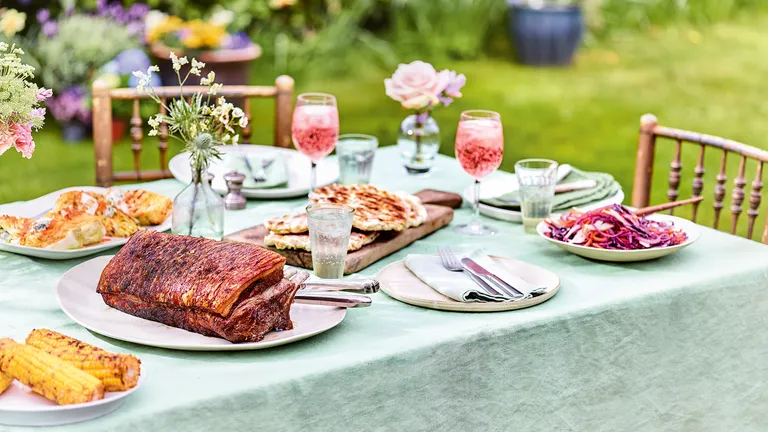
"When cooking chicken or steak on the barbecue I'd always recommend using a meat thermometer,” advises Jessica Ransom, Senior Food Writer. “It ensures peace of mind and will help you to not under or overcook it.”
“I prefer a digital meat thermometer as it's easier to read and provides a quick reading. When cooking chicken it's important to put the probe in the thickest part of the meat but don't touch the bone. It should read 74C and juices will run clear."
"For steak, if you'd like it rare the probe should read 48-52C, 53-57C for medium-rare, 58-62C for medium, and 68-72C for well done. It's important to rest your meat after cooking as it will become more tender as it relaxes. Keep in mind that it will continue to cook a little as it rests so for best results remove the meat from the barbecue when it's a degree below your target temp." Read More...