How to Choose the Right Rug Size for Every Room
-
 Loading...
 - Vinha Harju
- 06 Mar 2025
- 198 Views
- 0 Like
- 0 Comment
Selecting the right rug size is crucial for enhancing the aesthetics and functionality of your space. While patterns, colors, and materials are important, the size of the rug can significantly impact the overall look and feel of a room. Here’s a guide to help you choose the right rug size for various areas in your home.
1. Living Room Rug Size
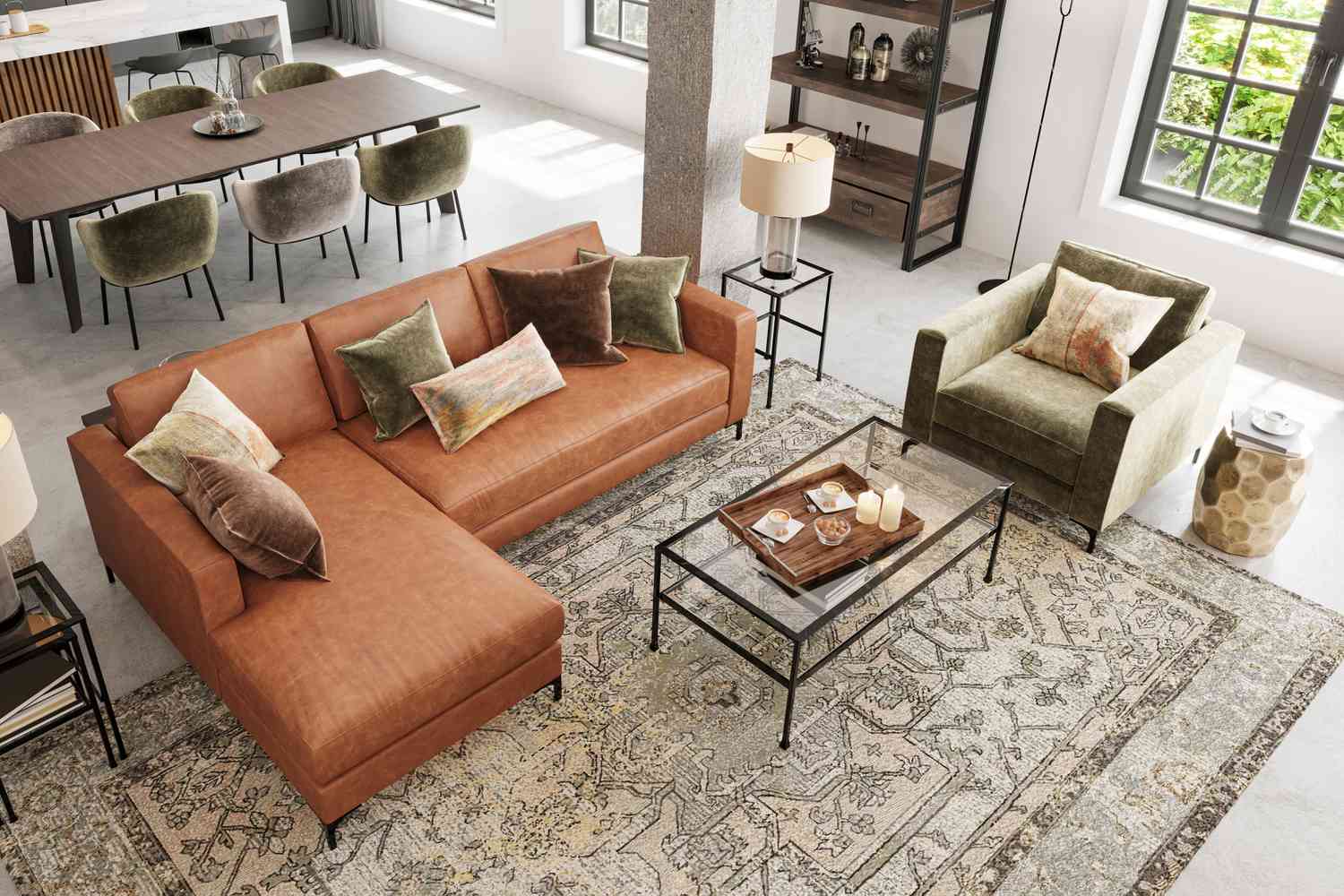
In the living room, every piece of furniture in the conversation area should ideally be on the rug, even if only the front legs are touching it. A rug that is too small can make the room feel cramped. To find the right size, measure the furniture arrangement and ensure the rug covers the entire seating area, reaching the back legs of chairs and sofas. A simple rule of thumb is to take the room dimensions and subtract one to two feet to allow some flooring to show around the edges.
2. Dining Room Rug Size
For dining rooms, the rug should extend beyond the table by at least two feet on all sides. This ensures that chairs remain on the rug when pulled out, preventing tripping hazards. Aim for about a foot of flooring to show around the edges if possible, but prioritize safety. The rug should be large enough to accommodate the entire dining setup comfortably.
3. Bedroom Rug Size
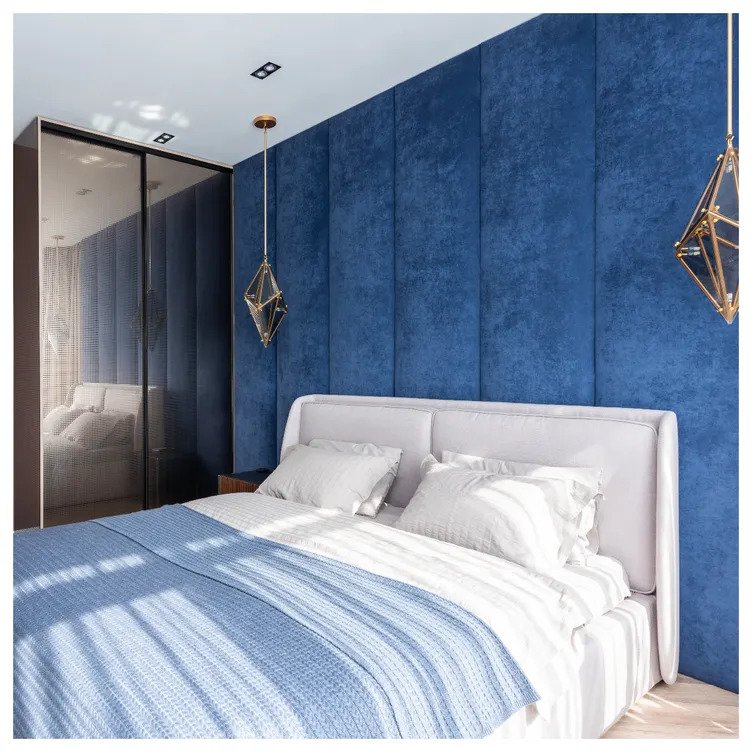
In the bedroom, the rug should extend at least two feet past the edges of the bed on both sides. This provides a soft landing for your feet when you wake up. Avoid the common mistake of placing the rug only at the foot of the bed, leaving the sides bare. The goal is to ensure that you step onto a rug when getting out of bed.
4. Kitchen Rug Size
Kitchens often utilize two types of rugs: runner rugs and area rugs. For a runner, it should stretch along the main traffic path between cabinets and the kitchen island. For a rug under a kitchen table, follow the same guidelines as for a dining room rug, ensuring it is at least two feet larger than the table in both dimensions.
5. Home Office Rug Size
In a home office, the rug should cover the area where your desk and chairs are located. It should extend beyond the edge of the desk chair to accommodate movement, especially if you have a rolling chair. To create a cohesive look, the rug should also touch the front of other furniture pieces in the office.
6. Entryway Rug Size
Entryways can vary greatly in size and layout. For narrow entryways, a runner rug is often the best choice. Smaller entryways can use a 3-by-5-foot rug, while larger entryways may require a more substantial rug to create a welcoming atmosphere.
Additional Considerations When Choosing Your Rug
- Material Selection: Choose appropriate materials based on the room's function. For high-traffic areas or spaces prone to spills, consider rugs made from durable, easy-to-clean materials like jute, cotton, or synthetic fibers.
- Traffic Type: Consider the level of foot traffic in each room. For homes with kids and pets, opt for rugs in colors and patterns that can hide stains and wear.
- Test the Size: Before making a purchase, use painter's tape to outline the dimensions of the rug in your space. This will help you visualize how the size will work with your furniture and layout.
By following these guidelines, you can select the perfect rug size for each room in your home, enhancing both the functionality and aesthetic appeal of your spaces.