How to Choose the Right Serum for Your Face
-
 Loading...
 - Daksh Desai
- 14 Jun 2023
- 471 Views
- 0 Like
- 0 Comment
When it comes to skincare, finding the right serum for your face is essential. With the multitude of options available in the market, it can be overwhelming to choose the one that suits your skin type and addresses your specific concerns. In this comprehensive guide, we will walk you through the process of selecting the perfect serum for your face, ensuring that you make an informed decision and achieve the desired results.
How to Choose the Right Serum for Your Face
The process of choosing the right serum for your face involves considering several factors, including your skin type, specific concerns, and desired outcomes. By following these steps, you can narrow down your options and find a serum that meets your needs effectively.
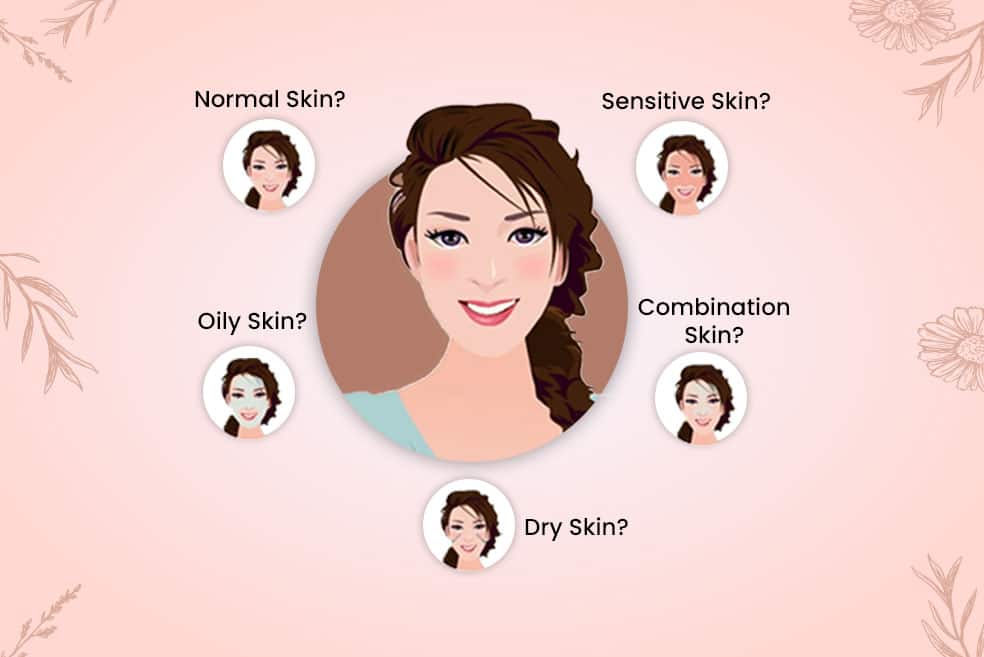
1. Identify Your Skin Type
Before selecting a serum, it is crucial to understand your skin type. This knowledge will help you choose ingredients and formulations that work harmoniously with your skin. There are generally four main skin types: oily, dry, combination, and sensitive. Each skin type has different needs and requires specific formulations.
2. Determine Your Specific Concerns
Once you have identified your skin type, the next step is to determine your specific concerns. Do you want to address signs of aging, reduce hyperpigmentation, or hydrate and moisturize your skin? Understanding your specific concerns will guide you towards serums that target those particular issues.
3. Research Ingredients
When choosing a serum, it is essential to research the ingredients it contains. Look for key ingredients that address your concerns effectively. For example, if you want to combat aging, ingredients like retinol and hyaluronic acid are known to be beneficial. Take the time to understand the benefits of different ingredients to make an informed decision.
4. Consider Formulations
Serums come in various formulations, such as water-based, oil-based, and gel-based. Consider your skin type and personal preferences when selecting a formulation. Water-based serums are typically lightweight and suitable for oily or combination skin, while oil-based serums provide deep hydration for dry skin. Gel-based serums offer a cooling and refreshing feel, making them ideal for sensitive skin.
5. Check for Safety and Quality
Always prioritize safety and quality when choosing a serum for your face. Look for products that are dermatologically tested and free from harmful chemicals. Reading customer reviews and checking for certifications can also help you assess the quality of a product.

6. Seek Professional Advice
If you are uncertain about which serum to choose or have specific skin concerns, it is beneficial to seek professional advice. Dermatologists and skincare specialists can offer personalized recommendations based on your skin type, concerns, and goals. Their expertise will guide you towards the most suitable serum for your face.
Frequently Asked Questions (FAQs)
Q1: Can serums be used for all skin types?
Yes, serums can be used for all skin types. However, it is essential to choose a serum formulation that suits your specific skin type and concerns.
Q2: How often should I use a serum?
The frequency of serum usage depends on the product and your skin's needs. Most serums are designed to be used once or twice daily, but always follow the instructions provided by the manufacturer.
Q3: Can I combine multiple serums in my skincare routine?
Yes, you can combine multiple serums in your skincare routine. However, it is important to layer them correctly to ensure optimal absorption and effectiveness. Start with the thinnest consistency serum and gradually move towards thicker formulations.
Q4: Can serums replace moisturizers?
Serums and moisturizers serve different purposes. Serums are highly concentrated with active ingredients and are meant to be used before moisturizers. While serums provide targeted treatment, moisturizers help seal in moisture and provide hydration to the skin. It is best to use both in your skincare routine for optimal results.
Q5: Are natural serums better than synthetic ones?
Both natural and synthetic serums can be effective, depending on the formulation and ingredients. Natural serums often contain plant extracts and botanical ingredients, while synthetic serums may include scientifically developed compounds. The most important factor is to choose a serum that suits your skin type, addresses your concerns, and is backed by research and positive reviews.
Q6: How long does it take to see results from using a serum?
The time it takes to see results from using a serum can vary depending on various factors, including the specific concern being addressed and individual skin characteristics. In general, it is recommended to use a serum consistently for several weeks to notice visible improvements in the skin.
Choosing the right serum for your face is a crucial step in achieving healthy and radiant skin. By considering your skin type, specific concerns, researching ingredients, and seeking professional advice when needed, you can make an informed decision. Remember to prioritize safety and quality and be patient when expecting results. With the right serum and a consistent skincare routine, you can unlock the full potential of your skin.