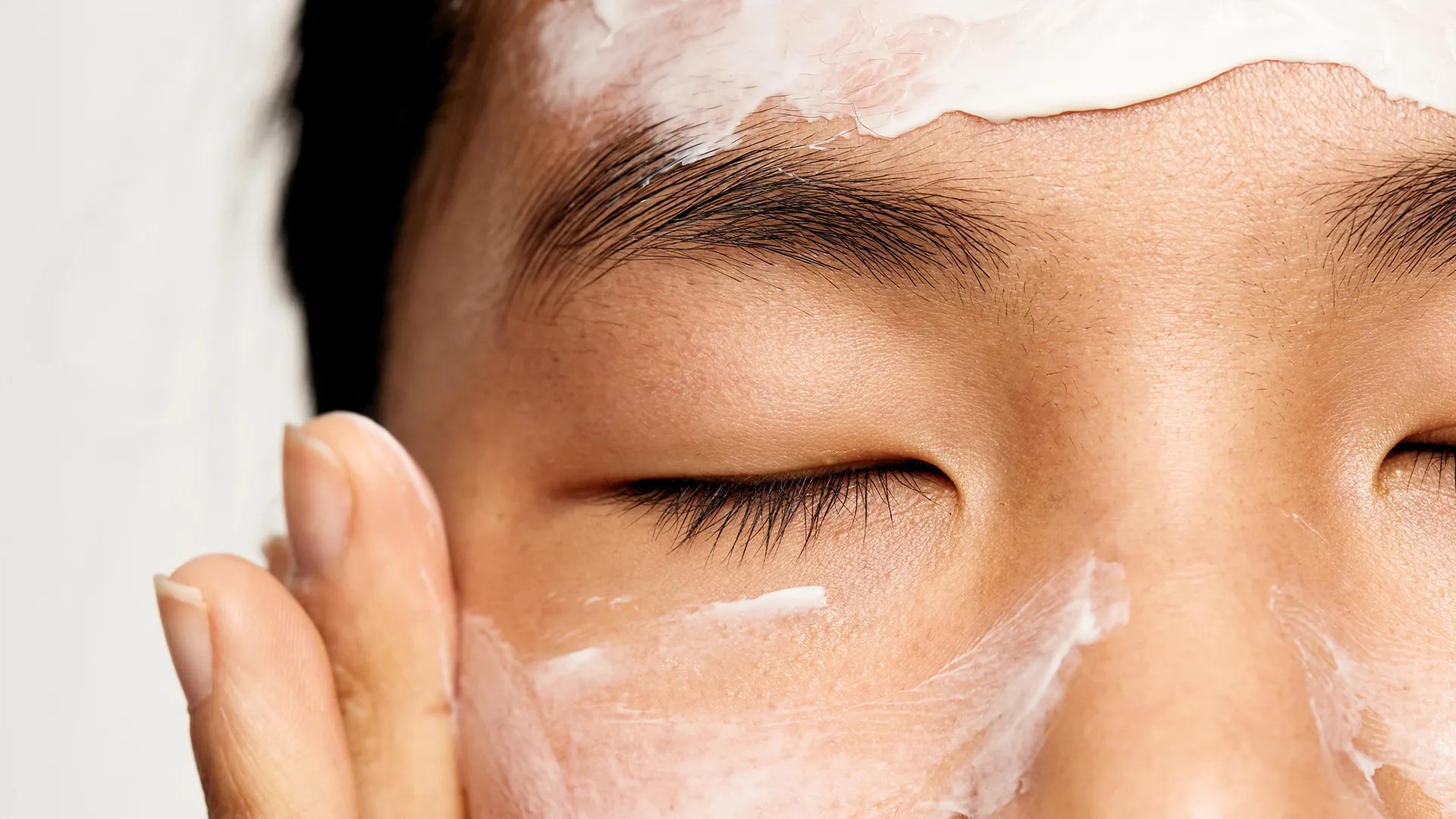
How to Do an At-Home Chemical Peel Safely
-
 Loading...
 - Emma Haugli
- 11 Feb 2025
- 39 Views
- 0 Like
- 0 Comment
Chemical peels can be an effective way to rejuvenate your skin, improve texture, and reduce the appearance of fine lines and blemishes. However, performing a chemical peel at home requires careful preparation and attention to safety to avoid adverse effects. Here’s everything you need to know to enjoy the benefits of a chemical peel while minimizing risks.
1. Understand the Types of Chemical Peels
There are three main types of chemical peels:
- Superficial Peels: These use mild acids (like alpha-hydroxy acids) to exfoliate the outer layer of skin. They are suitable for beginners and can be done more frequently.
- Medium Peels: These penetrate deeper into the skin using trichloroacetic acid (TCA) or glycolic acid. They provide more significant results but require more downtime.
- Deep Peels: These are performed by professionals and use stronger acids. They are not recommended for at-home use.
For at-home use, stick to superficial peels, which are safer and easier to manage.
2. Choose the Right Product
Select a chemical peel product that is specifically formulated for at-home use. Look for:
- pH Level: A pH of 3.0 or higher is generally safe for at-home peels.
- Ingredients: Common ingredients include glycolic acid, salicylic acid, and lactic acid. Choose one based on your skin type and concerns.
- Patch Test: Always perform a patch test on a small area of skin 24 hours before applying the peel to your face to check for any adverse reactions.
3. Prepare Your Skin
Before applying a chemical peel, prepare your skin to minimize irritation:
- Cleanse: Wash your face with a gentle cleanser to remove makeup, dirt, and oils.
- Exfoliate: Lightly exfoliate your skin a day or two before the peel to enhance results, but avoid harsh scrubs.
- Avoid Sun Exposure: Stay out of the sun for at least a week before the peel, as sunburned skin is more sensitive.
4. Follow Safety Precautions
To ensure a safe peeling process:
- Read Instructions: Carefully read and follow the instructions provided with your chemical peel product.
- Use Protective Gear: Wear gloves and consider using goggles to protect your eyes from splashes.
- Work in a Well-Lit Area: Ensure you have good lighting to see what you’re doing.
5. Apply the Peel
When you’re ready to apply the peel:
- Use a Clean Applicator: Use a cotton pad, brush, or your fingers (with gloves) to apply the peel evenly.
- Start with a Small Area: Begin with a small area to gauge your skin’s reaction.
- Timing: Follow the recommended application time. If you experience excessive burning or discomfort, remove the peel immediately with cool water.
6. Post-Peel Care
After the peel, proper aftercare is crucial for healing:
- Rinse Thoroughly: Use cool water to rinse off the peel completely.
- Moisturize: Apply a gentle, hydrating moisturizer to soothe the skin.
- Avoid Sun Exposure: Stay out of the sun and use a broad-spectrum sunscreen with SPF 30 or higher for at least two weeks post-peel.
- Avoid Harsh Products: Refrain from using retinoids, exfoliants, or other active ingredients for a week after the peel.
7. Monitor Your Skin
Keep an eye on your skin for any unusual reactions:
- Redness and Peeling: Some redness and peeling are normal, but if you experience severe irritation, blistering, or prolonged discomfort, consult a dermatologist.
- Hydration: Keep your skin well-hydrated during the recovery process.
At-home chemical peels can be a great way to enhance your skincare routine, but safety should always be your top priority. By understanding the types of peels, choosing the right product, preparing your skin, and following proper application and aftercare procedures, you can enjoy the benefits of a chemical peel while minimizing risks. If you have any doubts or specific skin concerns, consider consulting a dermatologist before proceeding.