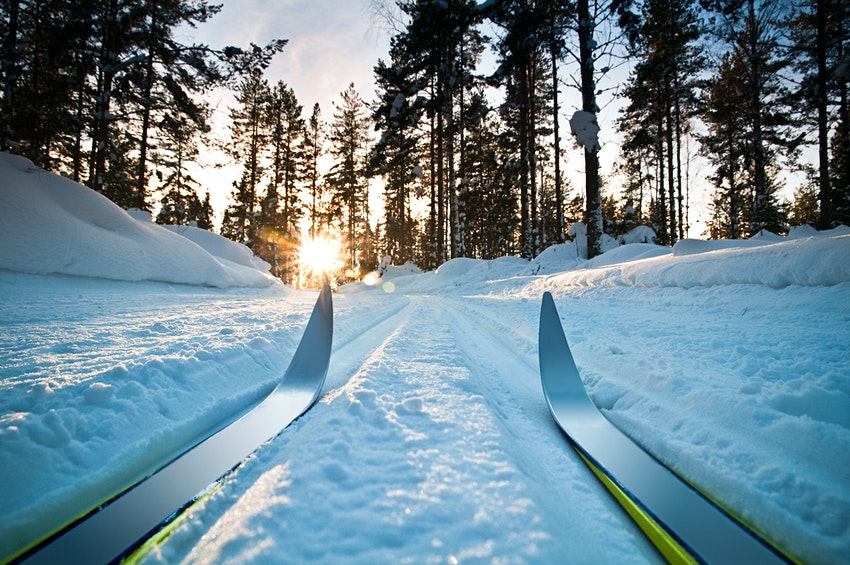
How to experience Sweden's cross-country skiing tradition: the best resorts and ski tracks
-
 Loading...
 - Kathy Grant
- 07 Jan 2022
- 422 Views
- 0 Like
- 0 Comment
One of the world’s oldest winter sports, cross-country skiing is a popular way for people in Sweden to work out when temperatures plummet. It’s more gentle on your joints than running and exercises muscles across the entire body.
Meanwhile, you get to breathe in the crisp mountain air and enjoy plenty of stunning snowy scenery. With the centenary of Vasaloppet (the most popular cross-country race in Sweden) happening in March 2022, there's never been a better time to try out this national obsession. Here’s our guide to the tradition of Swedish cross-country skiing, and how to try it out for yourself.
The history of cross-country skiing: a Swedish national obsession
In contrast to downhill skiing, where slopes and lifts usually help you get around, cross-country skiers use their own body movements to push themselves across snowy terrains. In the centuries before trains, cars, and snowmobiles were invented, this kind of skiing was an essential mode of transport across the Nordics. By strapping on a pair of (then wooden) skis, people could travel long distances to hunt, gather firewood, and visit family and friends. The word "ski" even comes from the Old Norse word skíð, which translates as "a stick of wood".
The technique evolved into a sport in the 19th century, when the Norwegian military began organizing cross-country skiing races to help train soldiers for war. Today, tens of thousands of Scandinavians still compete in public competitions each year. Others take things at a slower pace, using their skis as an adventurous way to reach lakeside grills or picnic spots during winter.
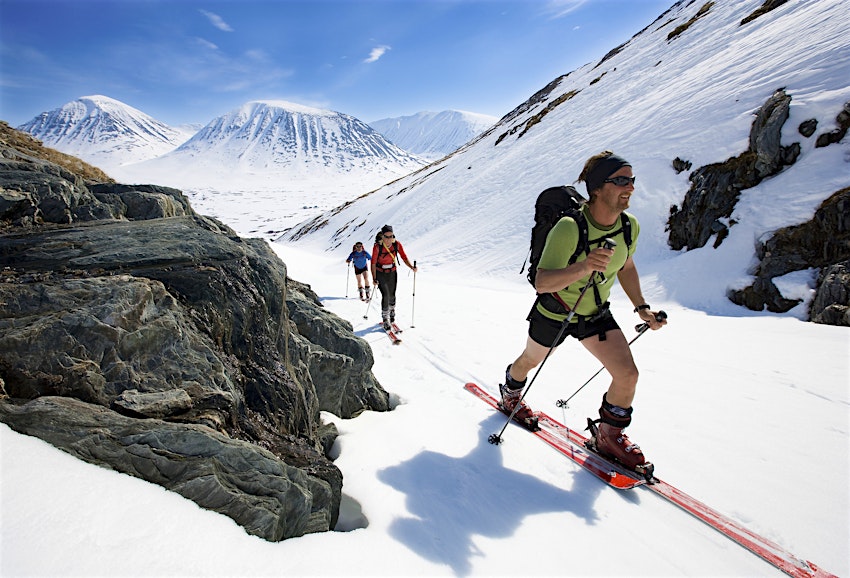
The Vasaloppet race takes place in March
Sweden’s most popular cross-country race, Vasaloppet, is the biggest public event of its kind in the world and celebrates its 100th year in 2022. The tough 90km (56mi) classic course stretches between the mountainous towns of Sälen and Mora in Dalarna, central Sweden. Competing requires dedicated training throughout the winter, and it’s not unusual to see eager entrants practicing on roller-skis in Nordic cities during the fall.
There is also a range of shorter contests during Vasaveckan (The Vasa Week), which is typically the first week in March. Watching these events is a popular spectator sport too, broadcast on Sweden’s biggest TV and radio networks. Tens of thousands of people also travel to Dalarna each year to cheer on friends and relatives, or to catch a glimpse of professional stars like Britta Johansson Norgren and Oskar Kardin, gliding past in brightly-colored lycra.
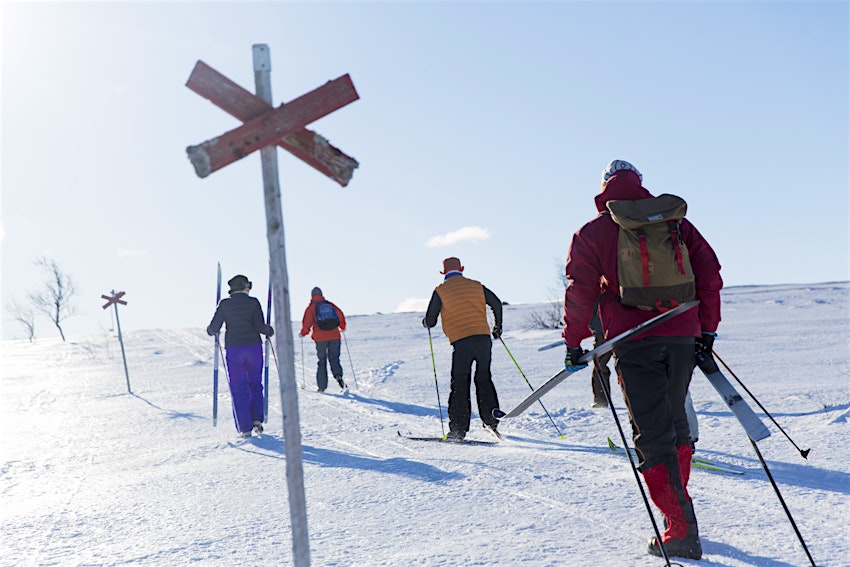
How to try cross-country skiing in Sweden
If you want to test out cross-country skiing yourself, perhaps the most important first step is to pay attention to the famous Swedish saying: “there’s no bad weather, only bad clothes” (Det finns inget dåligt väder, bara dåliga kläder). You’ll need warm and breathable gear including thermal leggings, a windproof jacket, a headband or light beanie hat, and gloves.
Cross-country skis are easy to rent at major winter resorts, costing around 350 SEK ($38) a day. You can also rent skis in most towns and cities that regularly get snow during winter, which can be a handy option if you’re planning day trips by car to more remote locations. Try Sporthyra, which has rental stores in Stockholm and Gothenburg. Non-profit organization Fritidsbanken loans out donated skis for free for up to 14 days from dozens of locations across the country, but there’s less guarantee you’ll find the right size or fit.
Paying for an introductory lesson is advisable, especially if you’ve never been on any kind of skis before. If you’ve already tried downhill skiing and are in good shape, you’ll probably master the basics within an hour. Prices at ski schools range from around 700 SEK ($77) per hour for individual lessons, dropping to around 300 SEK ($33) per hour for group classes.
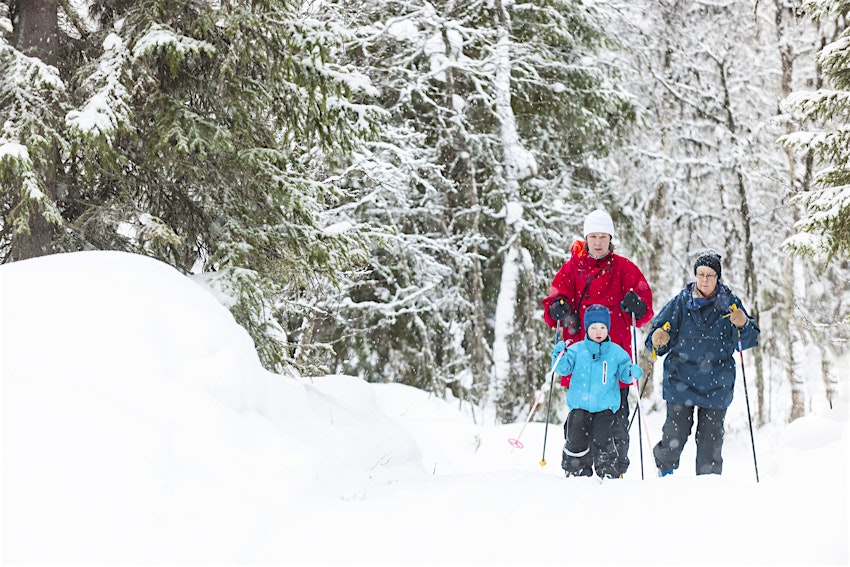
Where to go for cross-country skiing in Sweden
Northern Sweden has guaranteed snow
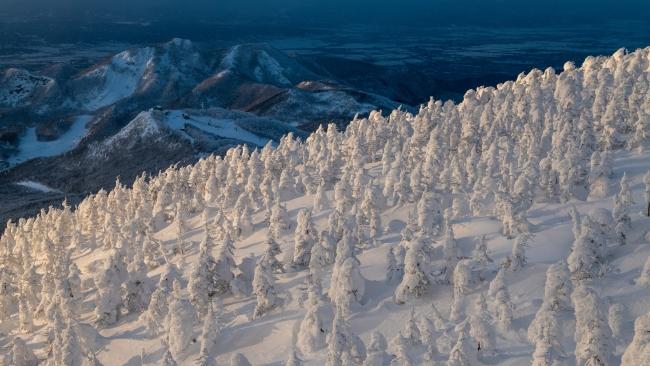
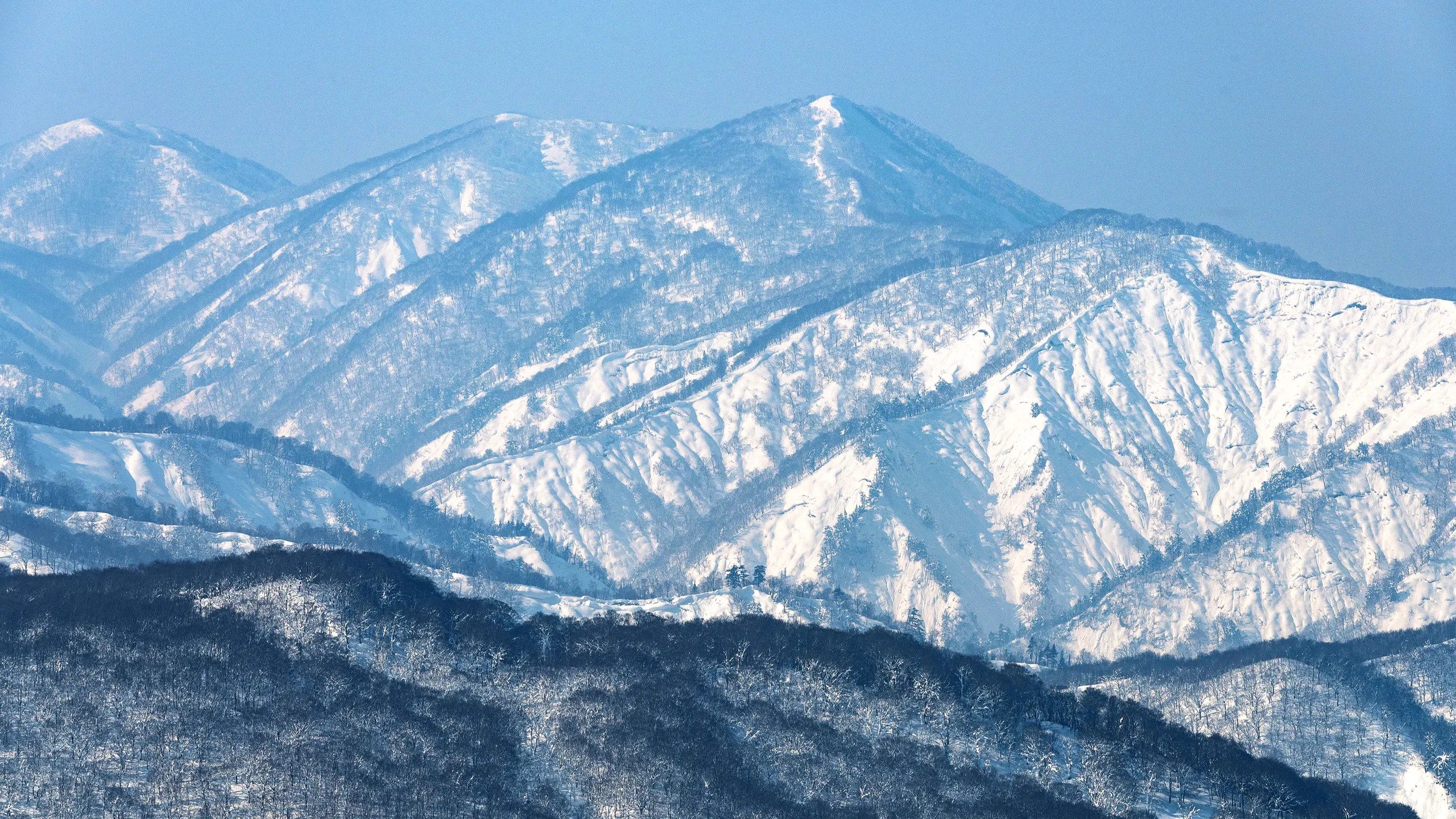
For guaranteed snow and high-altitude jaw-dropping scenery, northern Sweden is your best bet. It typically offers ample cross-skiing opportunities between November and April. Many of the resorts are postcard-perfect, with accommodations ranging from rustic wooden cabins in the forest to minimalist apartments and Scandi-chic boutique hotels.
The flagship Funäsfjällen area boasts 300km (186mi) of groomed, well-signed trails, alongside plenty of rest stations, and is a popular place to take lessons.
Åre, Sweden’s largest ski resort, is an ideal location if you’re keen to try out cross-country skiing, while also having access to stellar downhill runs and the nation’s most vibrant after-ski nightlife. You’ll need to buy a daily or weekly pass to access the tracks in both areas.
In Swedish Lappland, Kiruna – a popular base for tourists hungry for dog-sled and snowmobile experiences – boasts a decent range of cross-country trails maintained by the municipality. Day passes cost just 50 SEK ($5.50). Sunlight is scarce this far north during winter, but the public tracks are lit between 6am and 11pm. You’ll need to be prepared for temperatures below -10°C (14°F). Read More…