How To Grow Beans
-
 Loading...
 - Hamah Fuchs
- 08 May 2023
- 70 Views
- 0 Like
- 0 Comment
Learn how to grow beans successfully with our comprehensive guide. From soil preparation to harvesting, we cover everything you need to know to grow beans at home.
If you're a fan of nature, you may have considered growing beans. Beans are easy to grow and incredibly versatile in the kitchen. From green beans to kidney beans, there are many types of beans you can grow at home. But, how do you start growing beans? In this guide, we will provide you with all the information you need to know to grow beans successfully.
Beans are relatively easy to grow, but there are a few key steps you need to follow to ensure success.
Soil Preparation
Beans prefer well-draining soil that is rich in organic matter. They don't like soil that is too wet or too dry. Before planting your beans, prepare the soil by adding compost or well-rotted manure. This will help to improve the soil structure and provide the nutrients that your beans need to grow.
Planting
Beans can be planted directly in the ground or in containers. If you're planting in the ground, sow the seeds about 1-2 inches deep and 2-4 inches apart. If you're planting in containers, use a good quality potting mix and ensure that the container has good drainage. Plant the seeds about 1-2 inches deep and 2-4 inches apart.
Watering
Beans need consistent moisture to grow well. Water them deeply once or twice a week, depending on the weather. Avoid overhead watering, as this can promote disease. Instead, water at the base of the plants.
Fertilizing
Beans don't require a lot of fertilizer, but they do benefit from a balanced fertilizer. Apply a slow-release fertilizer when planting and then again when the plants are about 6 inches tall. Avoid over-fertilizing, as this can lead to excessive foliage growth and reduced bean production.
Pest Control
Beans are relatively pest-free, but they can be attacked by aphids, bean beetles, and spider mites. To control these pests, use an insecticidal soap or neem oil spray. Alternatively, you can use companion planting to deter pests. For example, planting marigolds alongside your beans can help to repel bean beetles.
Harvesting
Beans are ready to harvest when they are firm, crisp, and snap easily. Depending on the variety, this can be anywhere from 50 to 80 days after planting. To harvest, simply snap the beans off the plant or use scissors to cut them off. Don't wait too long to harvest, as the beans will become tough and stringy.
Storage
Beans can be stored in the refrigerator for up to a week. To freeze beans, blanch them first and then freeze them in an airtight container. Dried beans can be stored in a cool, dry place for up to a year.
Types of Beans
There are many different types of beans, each with its unique flavor and texture. Some of the most popular types of beans include:
-Green beans
-Lima beans
-Kidney beans
-Black beans
Choosing the Right Variety of Beans
When choosing a variety of beans to grow, consider the following factors:
- Climate: Some varieties of beans are more heat-tolerant than others, while some prefer cooler temperatures. Choose a variety that is well-suited to your climate.
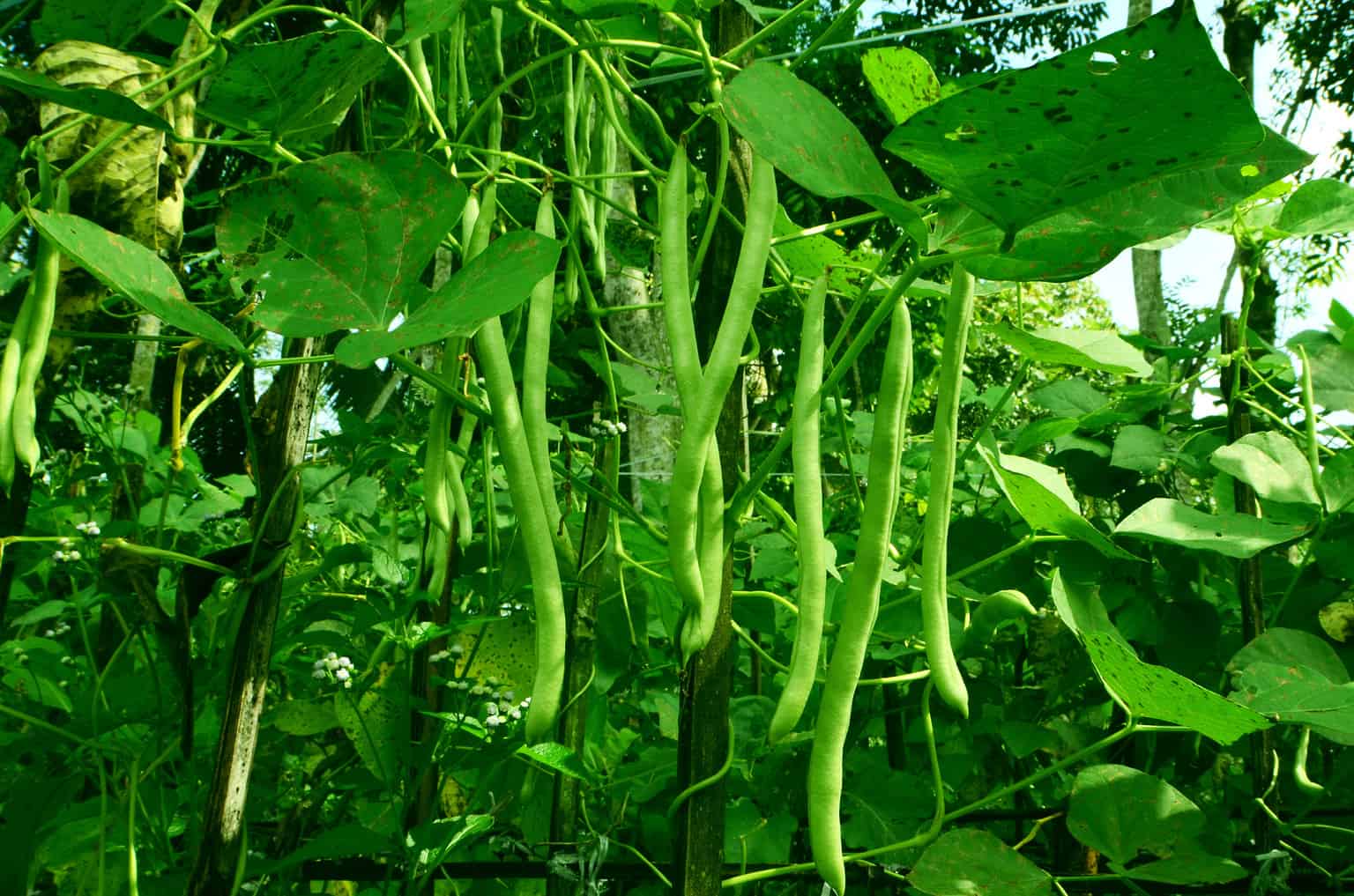
- Growth habit: Some beans grow as bush varieties, while others are climbers. Consider the space you have available and choose a variety that will fit your garden.
- Flavor and texture: Different varieties of beans have different flavors and textures. Some are sweet and tender, while others are meaty and hearty. Choose a variety that suits your taste preferences and cooking needs.
Tips for Growing Beans Successfully
Here are some additional tips to help you grow beans successfully:
- Plant in full sun: Beans need at least six hours of sunlight per day to grow well.
- Use supports for climbing varieties: Climbing beans will need support, such as trellises or poles, to grow upright.
- Mulch around plants: Mulching will help to retain moisture in the soil and prevent weeds from growing.
- Rotate crops: To prevent soil-borne diseases, don't plant beans in the same spot year after year. Rotate them with other crops, such as tomatoes or cucumbers.
- Harvest regularly: Regular harvesting will encourage the plant to produce more beans. Don't let the beans stay on the plant for too long, or they will become tough and stringy.
FAQs About Growing Beans
1.When is the best time to plant beans?
Beans should be planted in the spring, after the last frost date in your area.
2,Do beans need a lot of water?
Beans need consistent moisture, but they don't like to be waterlogged. Water deeply once or twice a week, depending on the weather.
3.Can beans be grown in containers?
Yes, beans can be grown in containers. Choose a container that is at least 12 inches deep and wide, and ensure that it has good drainage.
4.How long does it take for beans to grow?
The time it takes for beans to grow depends on the variety. Most beans take between 50 and 80 days to mature.
5. Do beans need to be fertilized?
Beans don't require a lot of fertilizer, but they do benefit from a balanced fertilizer. Apply a slow-release fertilizer when planting and then again when the plants are about 6 inches tall.
6.How do I know when my beans are ready to harvest?
Beans are ready to harvest when they are firm, crisp, and snap easily. Harvest them regularly to encourage more bean production.
Growing beans is an easy and rewarding activity for any home gardener. By following the steps outlined in this guide, you can grow your own delicious and nutritious beans. Remember to choose the right variety, prepare your soil well, water and fertilize regularly, and harvest regularly. With a little patience and care, you'll have a bountiful bean harvest in no time!