How To Make Traditional Norwegian Potato Lefse
-
 Loading...
 - King Thomas
- 24 Jan 2023
- 58 Views
- 0 Like
- 0 Comment
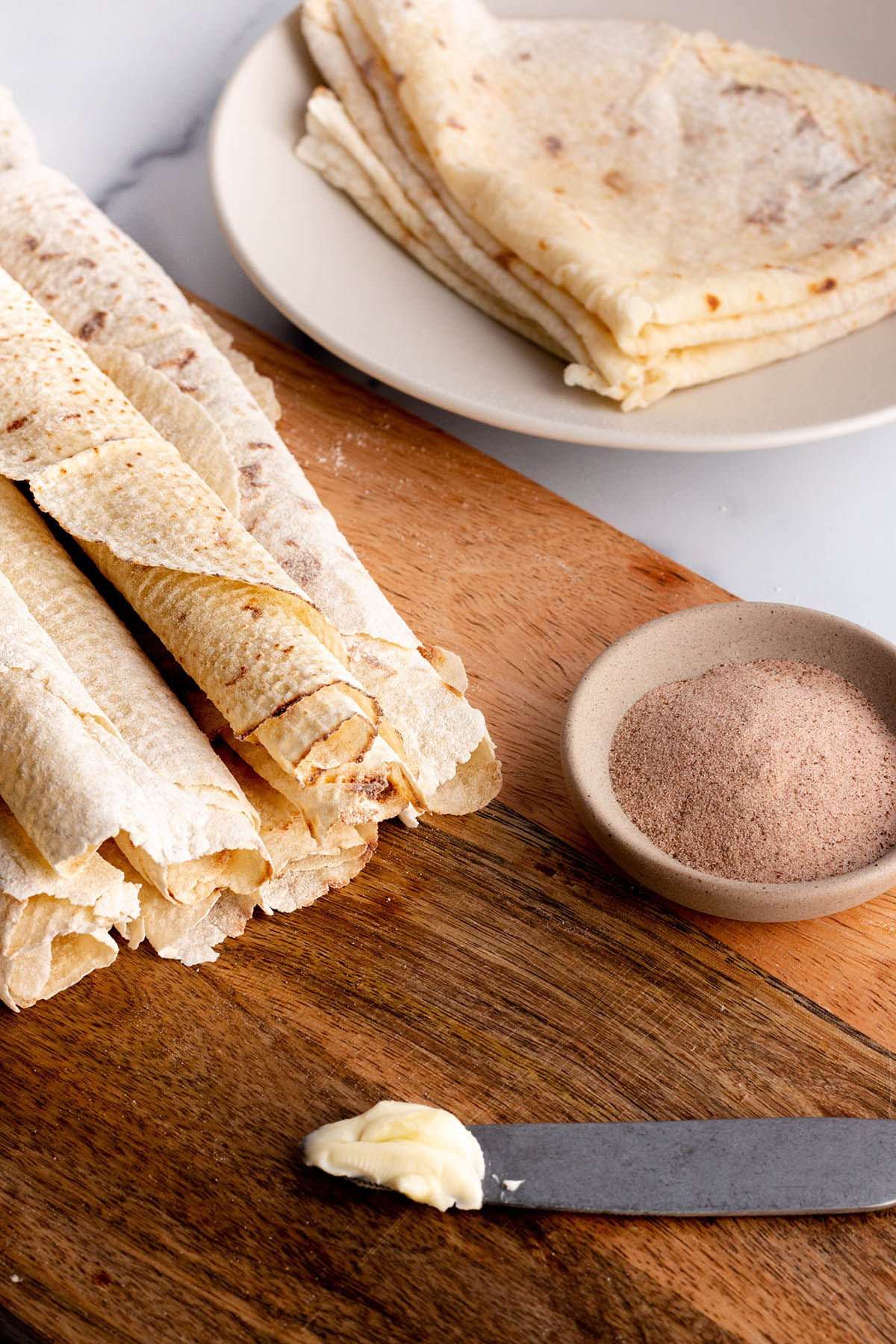
Lefse is a traditional Norwegian flatbread that is made with potatoes and flour. Generations of Norwegian families make lefse for holidays and family dinners. While time consuming and tedious, lefse can be made at home and is always noticeably better than buying it at a grocery store. Get all my tips and tricks to make the best, paper thin lefse.
Lefse (pronounced Lefsa) is deeply rooted in family tradition and origin. Every family has its own recipe and techniques, and no two are the same.
If you are reading this, chances are lefse is something you had every single year for Thanksgiving, Christmas, or Easter and it's a tradition you want to continue or resurrect. Not many people discover lefse out of the blue.
As a matter of fact, I'm in this same boat! My grandma was the one making lefse for years, and it's my turn to take on this family tradition.
Lefse takes time, patience, practice, and even more practice. Since there is no single way to make lefse, you get to make it your own. Do the method and recipe that works for you and your family and have fun experimenting with something different.
This is my first year going solo with lefse and when I called my grandma to get instructions, her parting words were "well, good luck!" Uff da!
So here I am, diving in and learning all I can to keep the lefse tradition going in our family and now I want to pass on all I have learned to keep it going in your family as well!
If you are a lefse lover, like I am, let's connect! Let's build a community of people who want to carry on this tradition. Join my Let's Make Lefse Facebook group and help build a community of people carrying on this tradition.
TIPS FOR MAKING LEFSE
With so many different ways, techniques, and even more recipes it's hard to give exact instructions on what to do. Every family has their very own way of making lefse and to say this is the only way would start a large debate.
With that said, even with thousands of combinations, here are some key tips to always follow when making lefsa.
1. Rice the Potatoes. This is a must. Lefse requires the creamiest potatoes without a lump in sight. No one likes lumpy potatoes, especially in the lefse. Do yourself a favor and get a good potato ricer.
2. Use Very Little Flour. Flour, while necessary, when you use too much, it can cause the lefse to be way too thick. This takes a lot of practice. When starting out you may need to use a lot more flour, and then over time you'll learn to work with the potatoes using less and less.
3. Make sure the potato mix is cold before rolling. Cold potatoes roll a lot better than at room temperature. I like to chill them overnight in logs or balls so that we are only working with a few at a time. That way the rest of the potatoes can stay in the refrigerator until you are ready to use them.
4. Make sure the griddle is hot. Lefse needs to cook quickly so having a hot grill is crucial.
5. Only cook the first side for about a minute. This is a recent trick I learned and it worked so well. Let your first side cook only for a minute, then flip. Let the second side cook longer and develop those brown spots.
6. Do not re roll. If the lefse tears or rips, it's better to just grill as it is. When it gets balled up and re-rolled it will just be too thick.
7. You will only learn with practice. There will be lots of ugly lefse, lefse with holes, ripped in half and pieces of dough stuck everywhere. Just know this is normal and part of the process. This one is worth repeating!
INGREDIENTS
The recipe I am going to show you is my version. Typically family recipes have been passed down through generations. So if you have your own, please use that instead.

All the other tips and instructions can go along with any recipe.
If you do not have a recipe, please feel free to use mine. Here is what I use:
Russet Potatoes
Heavy Cream
Salt
All-Purpose Flour
Unsalted Butter