How to master seascape photography
-
 Loading...
 - Deborah Baah
- 14 Jun 2023
- 69 Views
- 0 Like
- 0 Comment
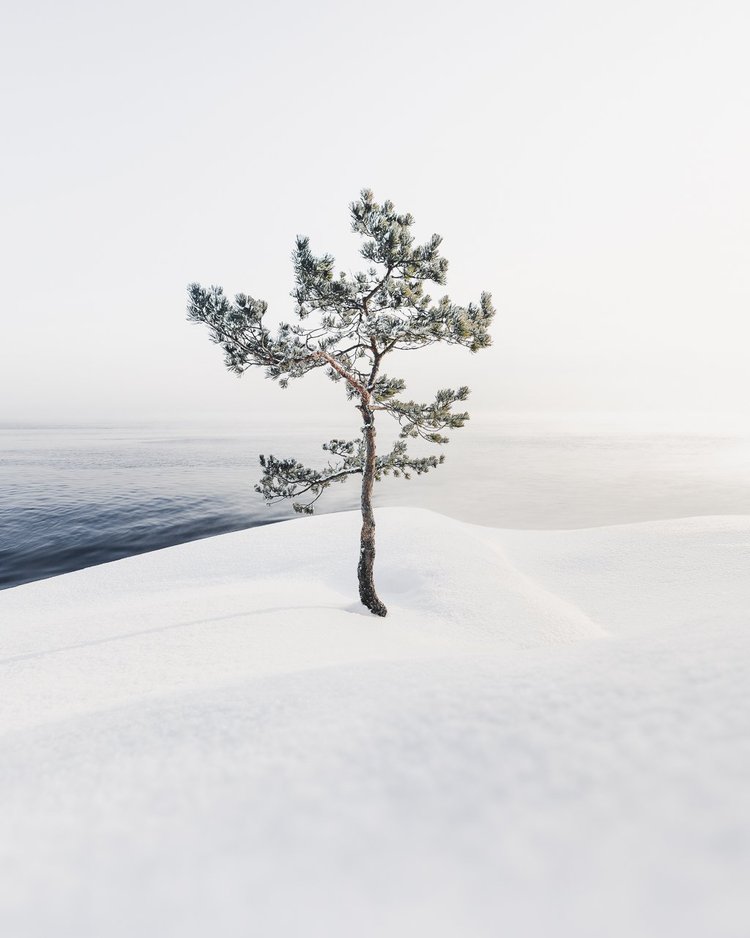
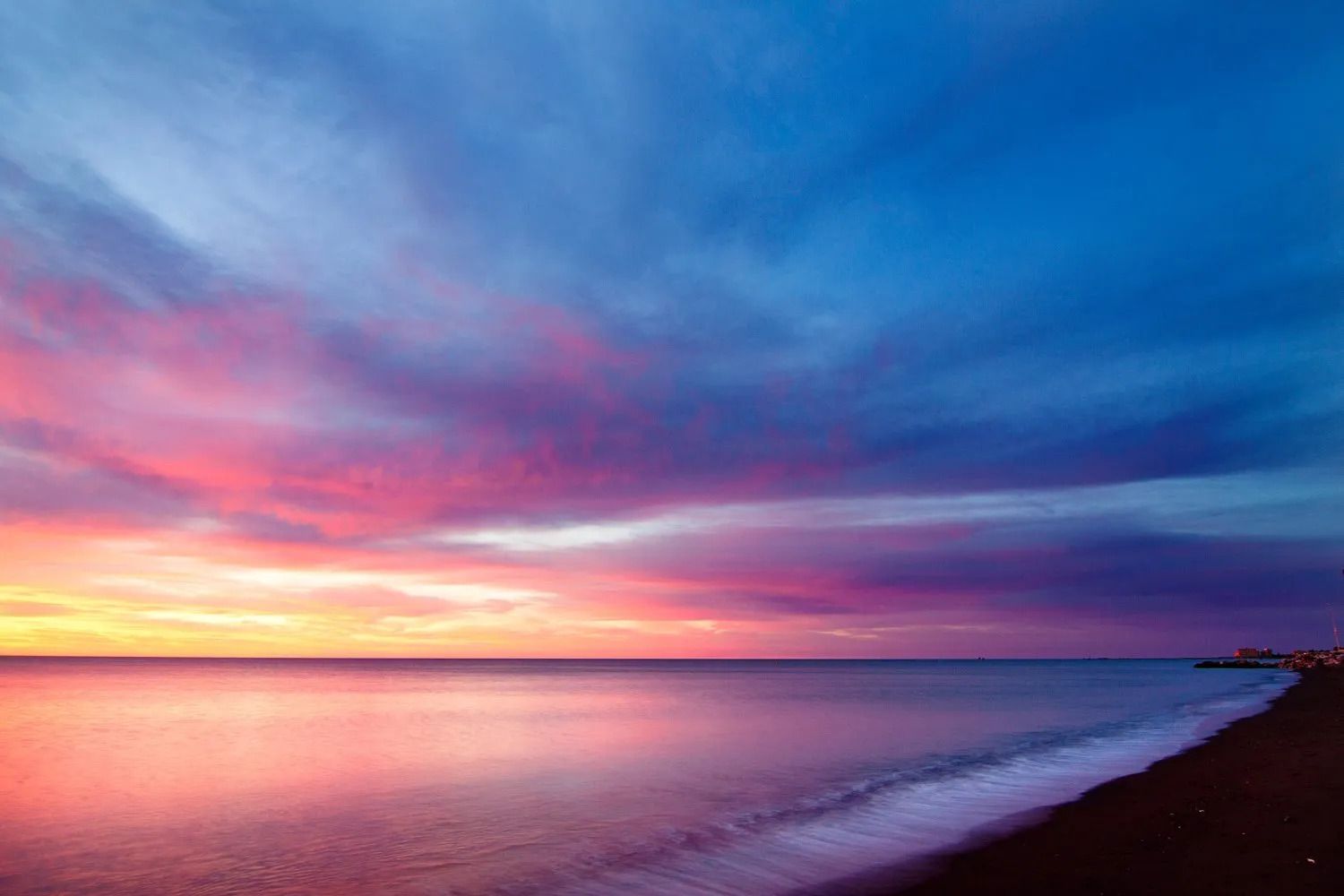
Seascape photography is a captivating art form that allows photographers to capture the beauty and serenity of the sea. From breathtaking sunsets to crashing waves, the sea offers endless opportunities for stunning photographs. In this article, we will explore various techniques, tips, and tricks to help you master the art of seascape photography and create breathtaking images that truly showcase the essence of the sea.
Seascape photography requires a combination of technical skills, artistic vision, and an understanding of the unique challenges presented by the sea. Here are some essential steps to help you master the art of seascape photography:
1. Understanding Light and Timing
One of the key elements of seascape photography is understanding light and timing. The quality of light significantly impacts the mood and atmosphere of your photographs. Pay attention to the golden hours, which are the first hour after sunrise and the last hour before sunset, as they offer soft and warm light that beautifully illuminates the scene.
2. Choosing the Right Equipment
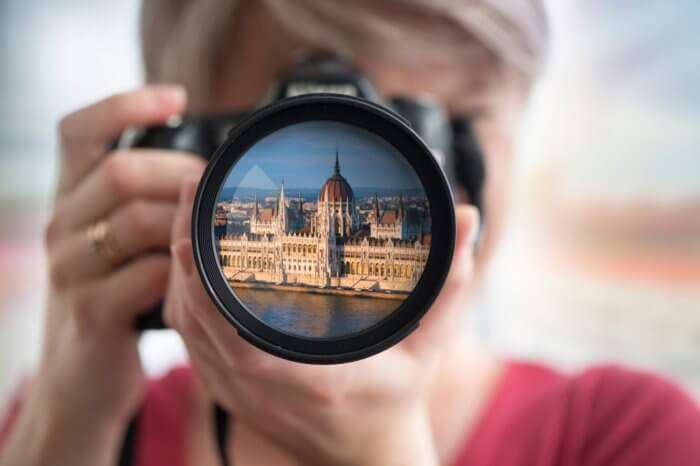
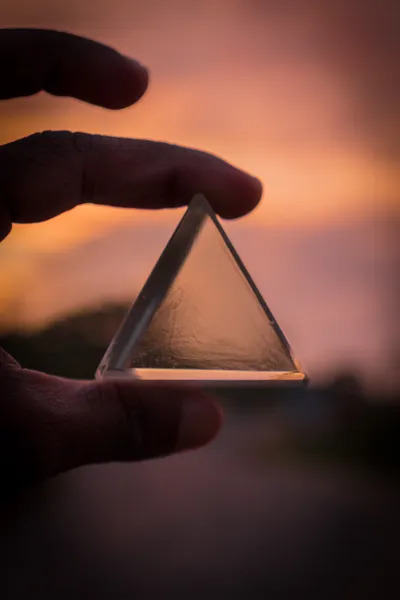
To capture stunning seascape images, you need the right equipment. Invest in a sturdy tripod to keep your camera stable, especially in low-light conditions. A wide-angle lens is also essential to capture the vastness of the sea and the surrounding landscape. Additionally, consider using filters such as a graduated neutral density filter to balance the exposure between the sky and the sea.
3. Composing Your Shots
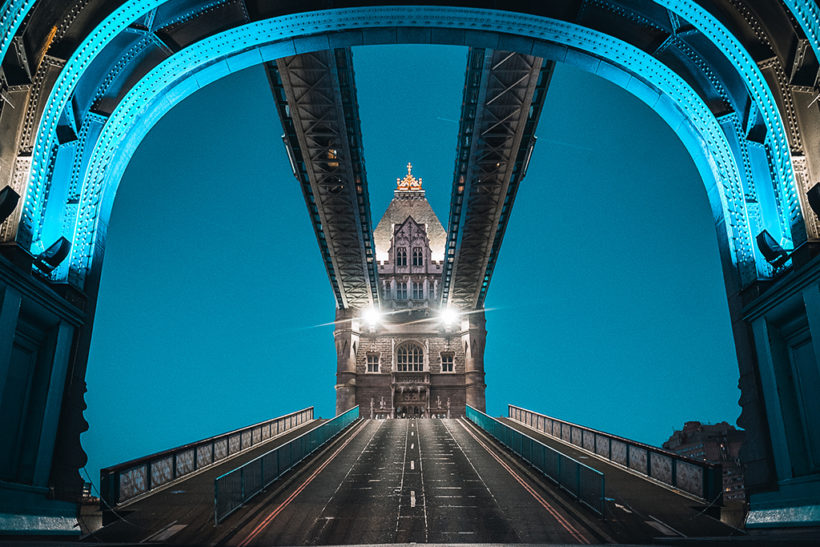
Composition plays a vital role in seascape photography. Experiment with different perspectives, angles, and focal points to create visually interesting images. Incorporate leading lines, such as a shoreline or a pier, to draw the viewer's eye into the photograph. Remember the rule of thirds and consider placing the horizon line either in the lower or upper third of the frame for a more balanced composition.
4. Capturing Motion and Long Exposures
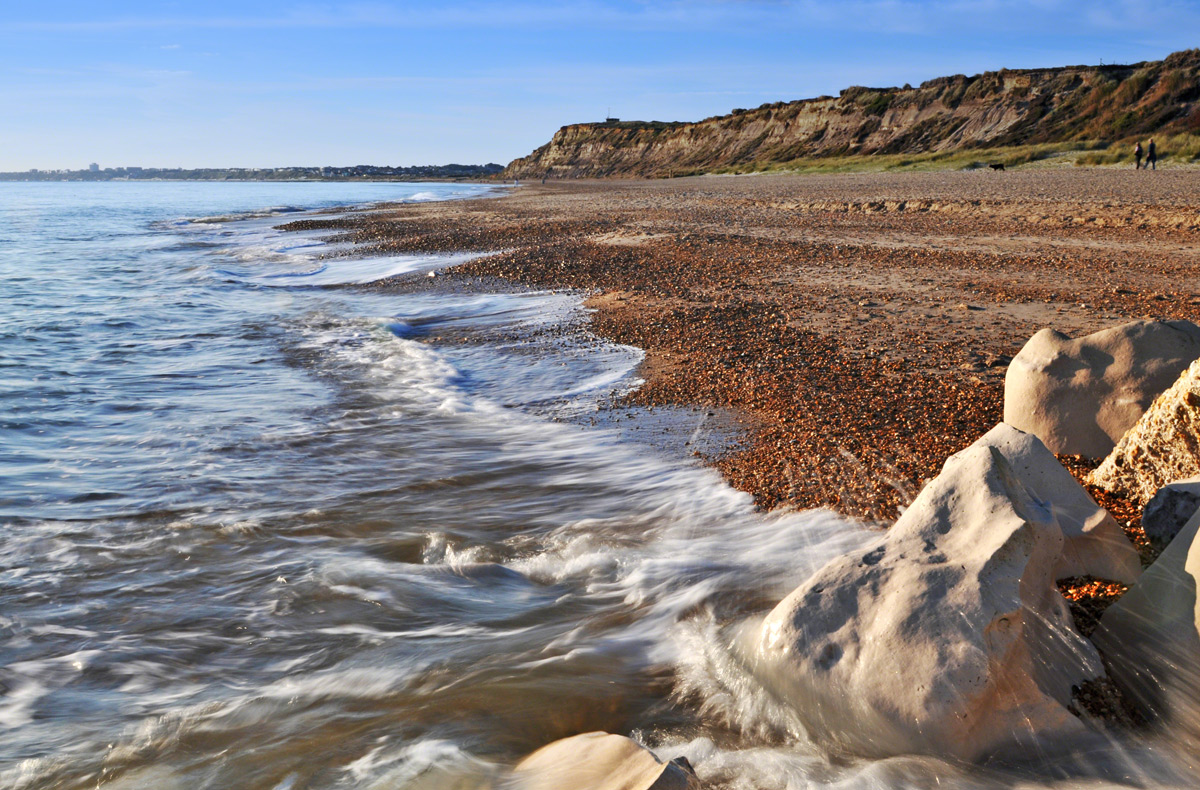
Seascapes often involve capturing the motion of waves or water. To achieve this effect, use a slow shutter speed and experiment with long exposures. This technique creates a sense of movement, making the waves appear smooth and ethereal. Combine long exposures with the right timing to capture the perfect moment when the waves crash against rocks or create captivating patterns in the sand.
5. Paying Attention to Details
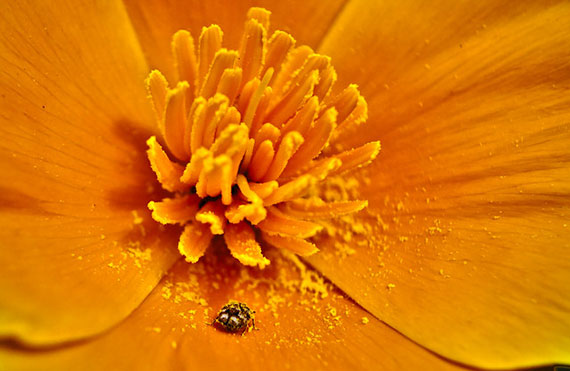
While wide-angle shots are popular in seascape photography, don't forget to pay attention to the details. Explore the beach for interesting textures, shells, rocks, or patterns in the sand. Zoom in on these details and use a shallow depth of field to create a striking focal point. These close-up shots can add depth and variety to your seascape portfolio.
6. Post-Processing and Editing
Post-processing is an essential part of modern photography. Once you have captured your seascape images, bring them to life through editing. Adjust the exposure, contrast, and colors to enhance the mood of the photograph. Consider using software like Adobe Lightroom or Photoshop to fine-tune your images and add the finishing touches.