How To Mix And Match Colors In Your Clothes – The Ultimate Color Wheel Guide
-
 Loading...
 - Joshua Campbell
- 14 Jul 2022
- 115 Views
- 0 Like
- 0 Comment
If you want to understand the fashion color wheel, then, you, my friend, are definitely in the right place because we are here to help. Today, in this article, we are going to show you how to marry the colors well so that they can suit you perfectly. It is important to have a better understanding of how colors work because you can either make or break your look as a result of the colors you choose for your outfits. If the colors are not well put together, your look will not come out the way you want, no matter how expensive your attire is. But do not worry because, once you give this article a read, you will be acquainted with the fashion color wheel perfectly. All you have to do is, scroll down and check what we have in store for you. So go ahead!
How To Know What Colors To Match?
Using the right colors and matching them perfectly can be a deal maker. Choosing the perfect color for an outfit is what sets you apart. And, that’s why color and its theories continue to be the pivot for not just clothes, but everything else like interiors, hair, makeup, and much more.
To explain this further, let’s first understand the basis of this whole color theory.
The Color Wheel:
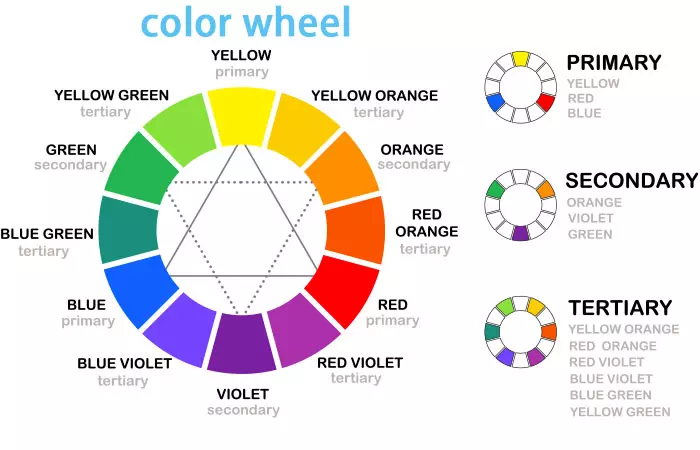
The color wheel was first invented by Sir Isaac Newton in the 18th century when he tried to condense the color spectrum into a wheel and visually represent the relationship between them. The wheel has been segregated into the following categories. While we will focus on using it for clothing and outfits, this theory is universal and applies to just about anything that deals with colors.
· Primary Colors
These comprise red, yellow, and blue. No two colors can be mixed to achieve these shades. Everything else is derived from these colors.
· Secondary Colors
Secondary colors are a combination of the primary colors. So, red+yellow = orange, red +blue = purple, and blue+yellow = green.
· Tertiary Colors
These colors are a combination of primary and secondary colors. By mixing these colors, you get shades like mint, aqua colors, corals, etc.
· Warm And Cool Colors
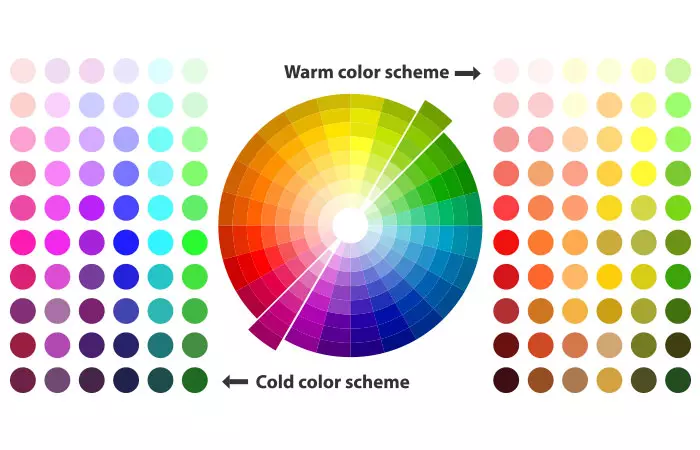
Hues of colors like red, orange, yellow, brown, etc. are warm colors – they make things look smaller in size, and that’s why most of us prefer wearing warmer colors when we want to look slimmer. Cool colors, like hues of blue, purple, green, etc., are soothing colors.
· Neutral Colors
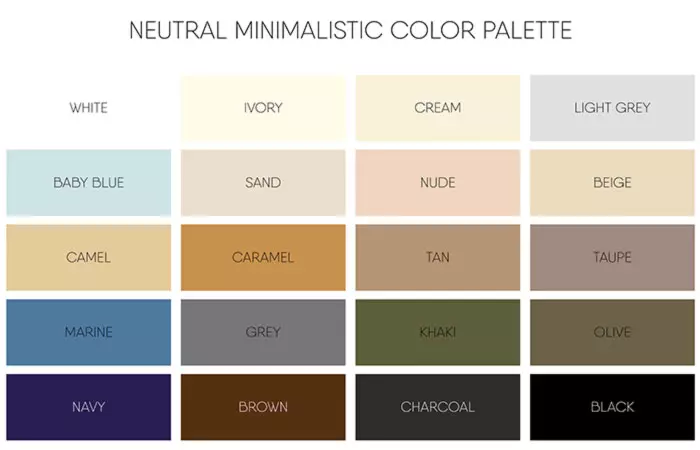
Neutral colors are self-explanatory. They are just muted, plain, and subdued. Black, grey, whites, off-whites, taupe, etc., fall into the neutral category.
What Are The Principles For Matching Colors?
One fundamental principle for matching your clothes, or for that matter anything, is combining colors that work in harmony. And, that’s what we need to remember while designing or putting our outfits together.
Here’s how you can match them.
· Complementary

Red and green, violet and yellow, blue and orange – complementary colors, as the name goes, work best when put together. These are exactly opposite to each other on the color wheel. They might seem bold to look at, but the outputs will be perfect. If you observe carefully, your spring and summer clothing is mostly designed using complementary colors. While some might argue against this concept, it is actually a matter of choice as some like making bold statements.
· Analogous
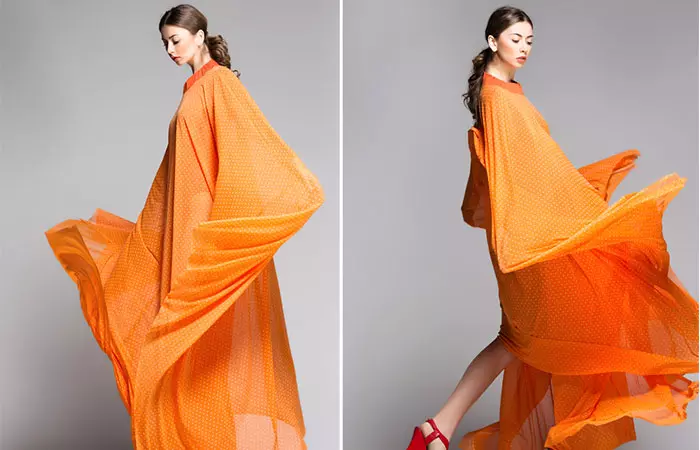
Matching two or three continuous shades on the color wheel that blend well with each other is called analogous color matching. When you put an entire outfit together based on this, it looks both striking and stylish. If you are wondering how to style that orange or camel trench coat of yours, pick a shade on either side of the color in the color wheel and work with that. Read More…