How to Mix Watercolors – All You Need to Know About Watercolor Mixing
-
 Loading...
 - Adrien Gauthier
- 13 Apr 2022
- 327 Views
- 0 Like
- 0 Comment
When you start learning how to mix watercolors, it may seem like a daunting task. The truth is that this wonderful and vibrant medium is actually easy to master! Not only is it easy and fun, but once you have learned how to use watercolor paint, you will find it to be a very relaxing and rewarding artform. In order to achieve the colors you desire for your watercolor art, you will need to practice watercolor mixing. There are many watercolor mixing recipes available to help you create any color you can think of. Therefore, there is no need to buy every single paint color when you know the ins and outs of watercolor mixing. Our tutorial will properly explain how to use watercolor paint in order to create a watercolor mixing palette with a limited color set. Let us get started!
A Simple Guide to Watercolor Mixing
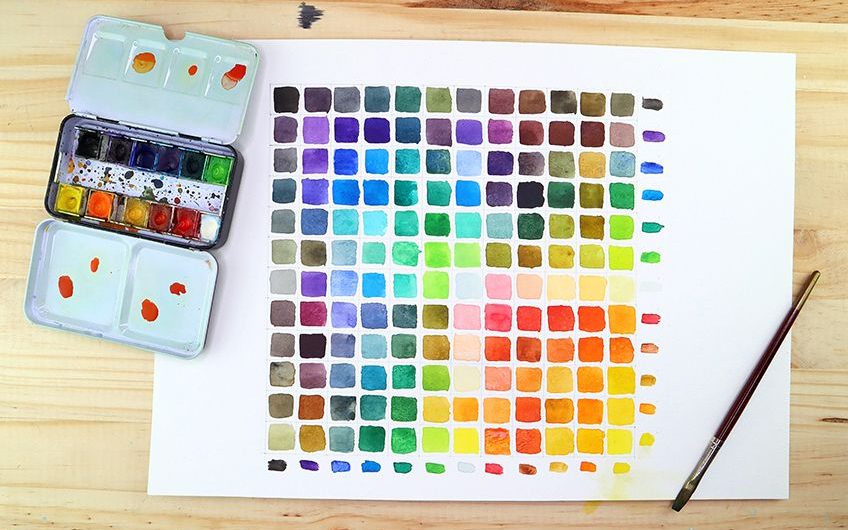
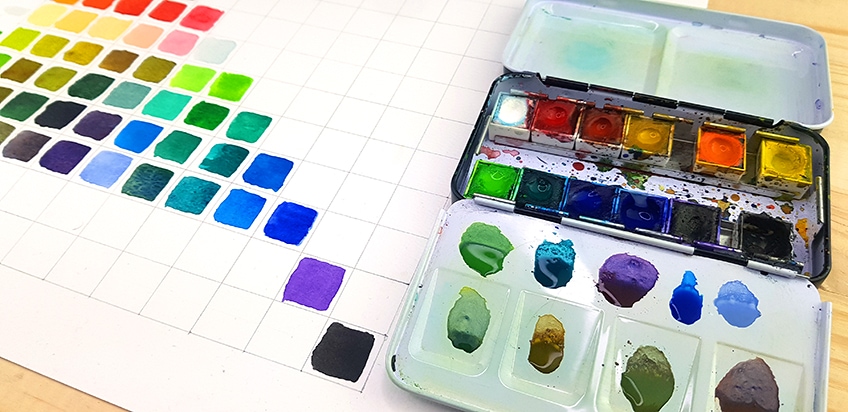
Watercolor mixing is easy when you understand the various watercolor mixing recipes. You will be able to mix up almost any color under the sun by using your very limited paint selection. When you look at the watercolor blue, red, or any other color, there are variations to that shade that can be made using a simple watercolor mixing palette. There are many colors that are not usually inside a watercolor paint set that you can mix up yourself. If you are wondering how to make gray watercolor or other less-available colors, then this tutorial is for you! Making a color chart will allow you to make up your desired watercolor mixing palette using very few and limited watercolors. Keep reading to learn exactly what you will need to get started!
Materials Needed
As you learn the art of watercolor mixing, you will be thankful for good-quality paper. Proper paper is what will ensure your watercolor mixing palette colors are absorbed correctly. You will want to buy paper that is at least 300 GSM in thickness as this will aid in proper paint absorption, ensuring a beautiful and vibrant true color display. Paper is not the only important tool you will need when learning how to mix watercolors. You will also need good quality, preferably natural bristle, watercolor brushes.
Materials Needed
As you learn the art of watercolor mixing, you will be thankful for good-quality paper. Proper paper is what will ensure your watercolor mixing palette colors are absorbed correctly. You will want to buy paper that is at least 300 GSM in thickness as this will aid in proper paint absorption, ensuring a beautiful and vibrant true color display. Paper is not the only important tool you will need when learning how to mix watercolors. You will also need good quality, preferably natural bristle, watercolor brushes. Read More...