How To Shoot Picture-Perfect Portraits: A Guide to Capturing Stunning Images
-
 Loading...
 - Tatsuki Kita
- 27 Jun 2024
- 61 Views
- 0 Like
- 0 Comment
Learn essential tips and techniques for capturing picture-perfect portraits that showcase the beauty and personality of your subjects. Master the art of portrait photography with these expert guidelines.
Portraits are a powerful form of visual storytelling, capturing the essence and emotions of the subject in a single frame. Whether you're a seasoned photographer or a beginner looking to improve your portrait photography skills, mastering the art of shooting picture-perfect portraits can elevate your work to new heights. In this guide, we'll explore essential tips and techniques to help you capture stunning and captivating portraits that resonate with viewers.

1. Understanding Lighting and Composition
Lighting and composition are fundamental elements of portrait photography that can make or break your images. Here's how to master them:
- Use natural light whenever possible for soft, flattering illumination that highlights your subject's features.
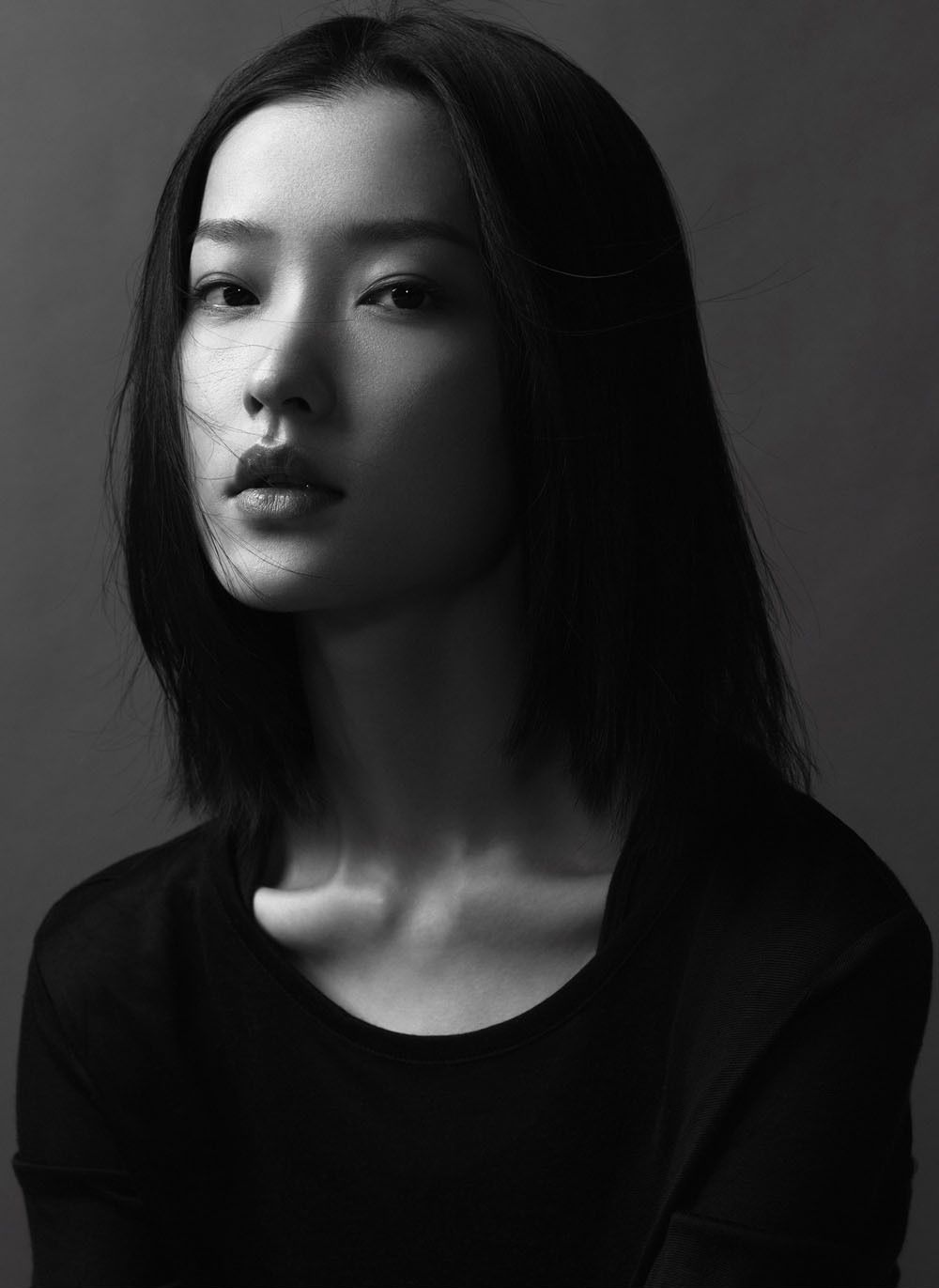
- Experiment with different lighting setups, such as backlighting, side lighting, or Rembrandt lighting, to create depth and dimension in your portraits.
- Pay attention to composition techniques, such as the rule of thirds, leading lines, and framing, to create visually appealing and balanced compositions.
2. Establishing a Connection with Your Subject
Building a rapport and connection with your subject is essential for capturing authentic and emotive portraits. Here's how to establish a connection:
- Engage in conversation with your subject to help them feel relaxed and comfortable in front of the camera.
- Give clear directions and guidance to help your subject pose naturally and express genuine emotions.
- Capture candid moments and spontaneous expressions to convey the true essence and personality of your subject.
3. Choosing the Right Location and Background
Selecting the right location and background can enhance the mood and storytelling elements of your portraits. Here's how to choose wisely:
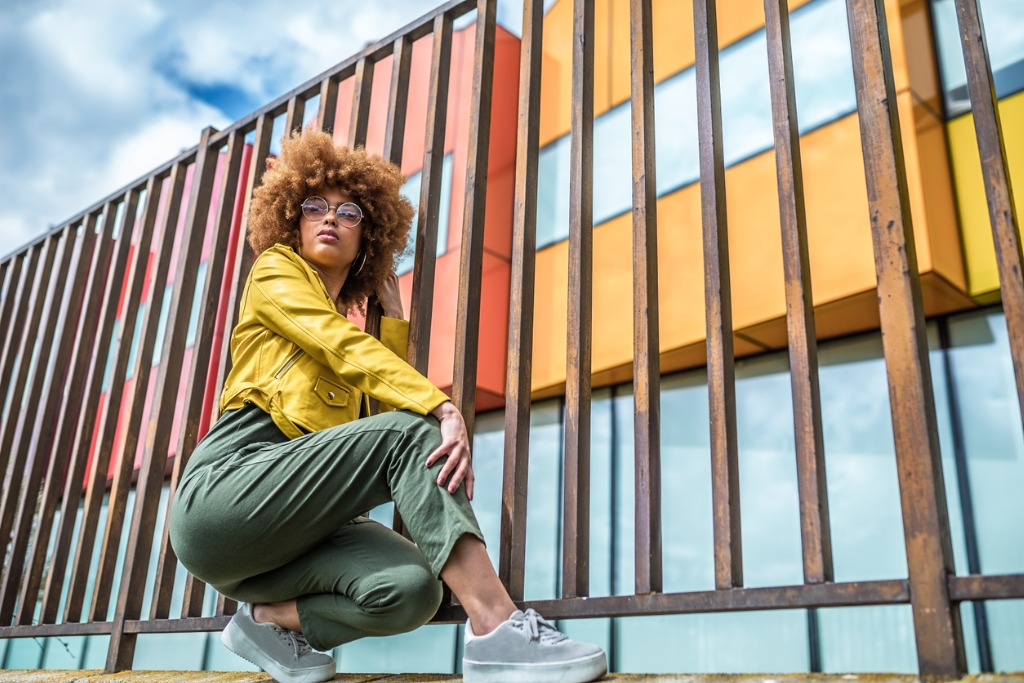
- Consider the aesthetic and mood you want to convey and choose a location that complements your vision.
- Pay attention to the background elements to ensure they don't distract from your subject but instead complement and frame them.
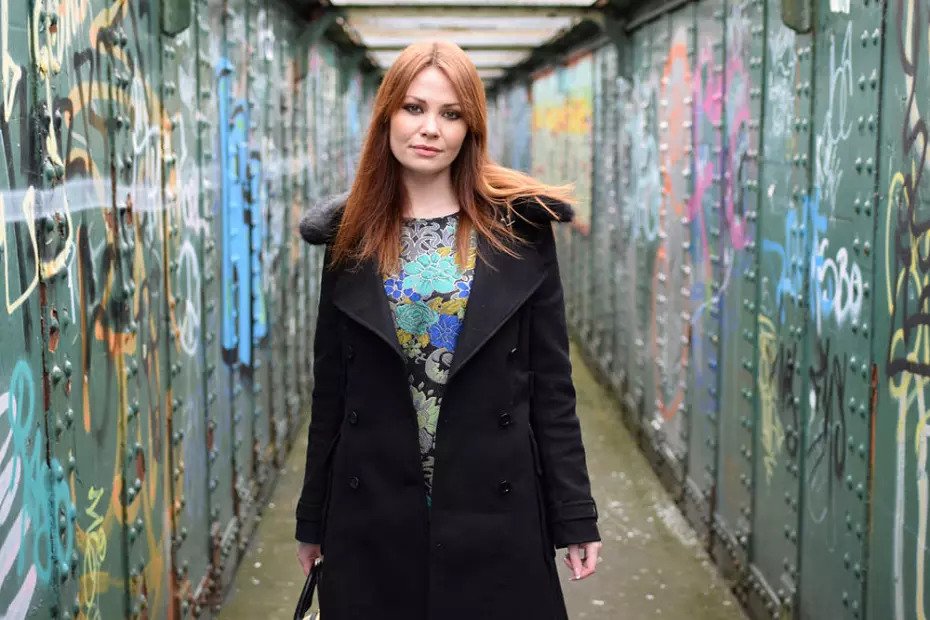
- Experiment with different settings, such as urban landscapes, natural surroundings, or studio backdrops, to add variety and interest to your portraits.
4. Selecting the Appropriate Camera Settings
Mastering your camera settings is crucial for achieving sharp, well-exposed portraits. Here's how to select the right settings:
- Choose a wide aperture (low f-stop) to achieve a shallow depth of field and blur the background for a pleasing bokeh effect.
- Use a fast shutter speed to freeze motion and prevent blur, especially when photographing moving subjects.
- Adjust your ISO setting to control the sensitivity of your camera sensor to light and maintain image quality in various lighting conditions.
5. Directing and Posing Your Subject
Guiding your subject in posing naturally and authentically can elevate the impact of your portraits. Here's how to direct and pose your subject effectively:
- Provide clear instructions and demonstrations to help your subject understand the desired poses and expressions.
- Encourage your subject to relax, breathe, and move naturally to capture genuine emotions and interactions.
- Experiment with different poses, angles, and perspectives to create dynamic and visually engaging portraits.
6. Editing and Post-Processing Techniques
Editing and post-processing are essential steps in enhancing the aesthetics and visual impact of your portraits. Here's how to edit your images effectively:
- Use editing software like Adobe Lightroom or Photoshop to adjust exposure, contrast, colors, and sharpness.
- Retouch skin imperfections, remove distractions, and enhance details to create polished and professional-looking portraits.
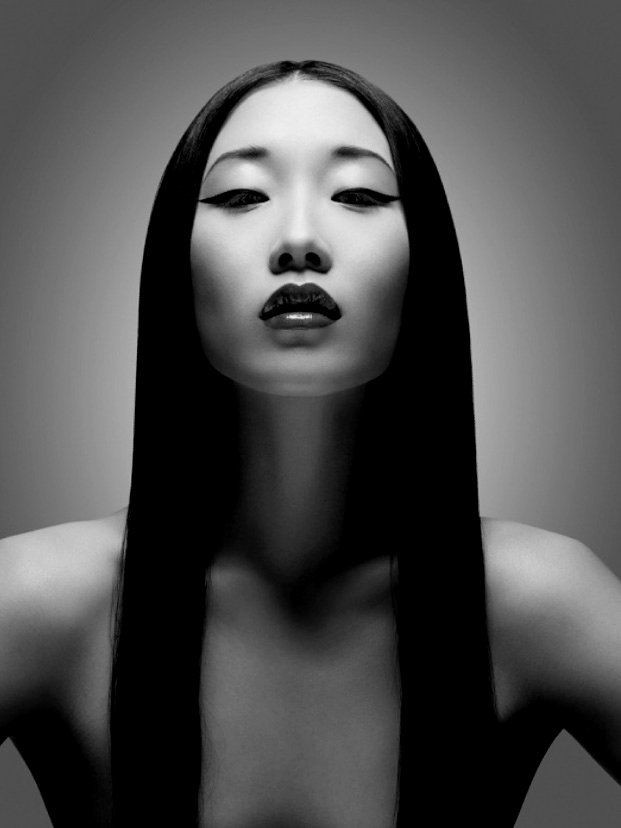
- Experiment with creative editing techniques, such as black and white conversions, color grading, or artistic filters, to add a unique touch to your portraits.
Conclusion
Mastering the art of shooting picture-perfect portraits requires a combination of technical skills, artistic vision, and interpersonal communication. By understanding the principles of lighting, composition, posing, and editing, you can elevate your portrait photography and create compelling and emotive images that resonate with viewers. Remember to establish a connection with your subjects, experiment with different techniques, and continuously refine your craft to capture stunning and captivating portraits that tell compelling stories and evoke emotions.
Frequently Asked Questions
What is the best time of day for shooting outdoor portraits?
The golden hour, shortly after sunrise or before sunset, offers soft, warm light ideal for flattering outdoor portraits. Overcast days provide diffused light that minimizes harsh shadows and creates even lighting for portraits.
How can I capture candid portraits without posing my subjects?
Use a longer focal length lens to maintain a comfortable distance and capture authentic moments without intruding. Engage in unobtrusive observation and anticipate decisive moments to capture genuine emotions and expressions.
What are some creative ways to add visual interest to portrait compositions?
Experiment with framing techniques, such as shooting through objects or using natural elements like foliage to add depth and context to your portraits. Play with perspective, angles, and reflections to create unique and visually captivating compositions that stand out.