How to use mirrors and glass to decorate your living spaces
-
 Loading...
 - Editha Simon
- 17 Jun 2022
- 240 Views
- 0 Like
- 0 Comment
Mirrors or glasses are multipurpose. They can be used in homes, offices, hotels, and bars. They serve the purpose of filling up spaces and can also be used to accentuate the colour of a wall or fill up blank spaces.
“I absolutely love glass especially in office spaces. I like the clean aesthetic, modern look and that luxury feeling in office environments. It has so many functional and decorative purposes and capabilities,” explains Joanne Awori, a seasoned interior designer.
She often uses glass whenever she is hired to give offices interior make-overs. She adds glass dividers which makes the workspace feel open, fresh and trendy.
“For example, when you enter dfcuBank headquarters, a lot of glass has been used in their main banking hall, and it makes the place look very open. In other words, the meeting rooms, tellers and bulk cash desk are visible which gives you confidence that it is a working environment and business is moving,” Awori explains.
She adds that glass improves the wellbeing of employees in the sense that when you are in a small space with no access to windows, having glass partitions allows in light.
“It is very common for offices in Uganda to use blocks or boards for partitioning. You will find people working in those small spaces without any windows or natural light which means that the person has not had a chance to be exposed to the sun or natural light, this is bad for their well-being,” the architectural and interior designer further explains.
Research publication titled, ‘Indoor Workplaces with no Daylight: A Real Problem’, undertaken by Roman Dubnicka, Alfonz Smola, Lukas Lipnicky and Michal Barcik, indicates that daylight is very important for people because the level of it can positively or negatively influence visual comfort, health or mood through the visual system of the observer.
“In 2007 in the human eye were found third type of the receptors which are not responsible for visual perception, but they are responsible for non-visual aspects of the light on human body through nerves in the eye retina,” the research says, in part.
It observes that sometimes insufficient daylight is a real problem in the indoor workplaces where windows are missing, or openings are not so large to ensure good daylight access in the day.
Google is quoted to encourage working spaces with a lot of light and glass work as a way of creating energising workspaces, and as Awori adds, glass is reusable.
“If you are moving from one office to another, you can dismantle your glass panes with minimal damage, if you get a careful contractor,” she explains, adding that it might not be the case with for instance gypsum boards that would easily get destroyed in the process of shifting.
And whereas it is initially costly, glass or mirrors are low maintaining which you will only wipe to keep them clean compared to walls that might require a yearly or bi-annual painting to keep their beauty.
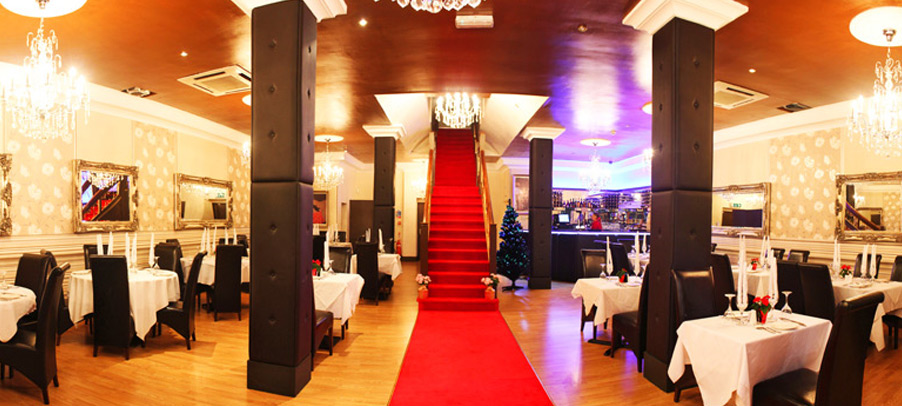
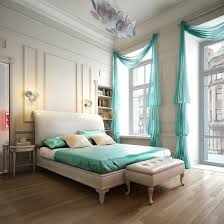
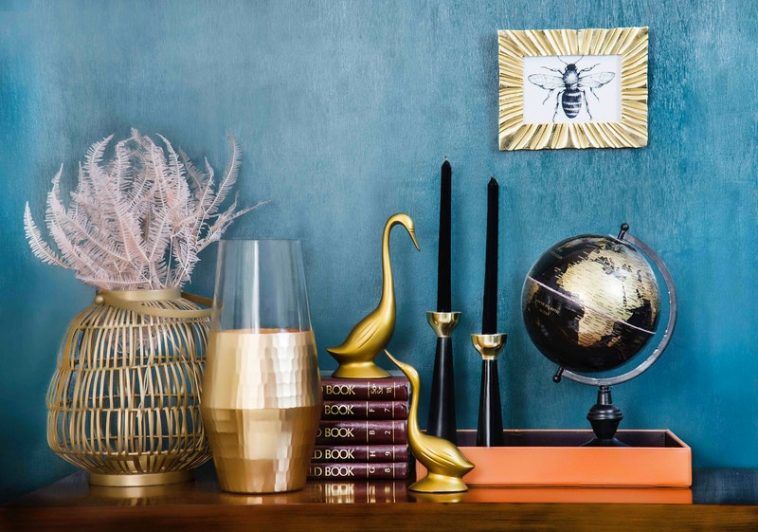
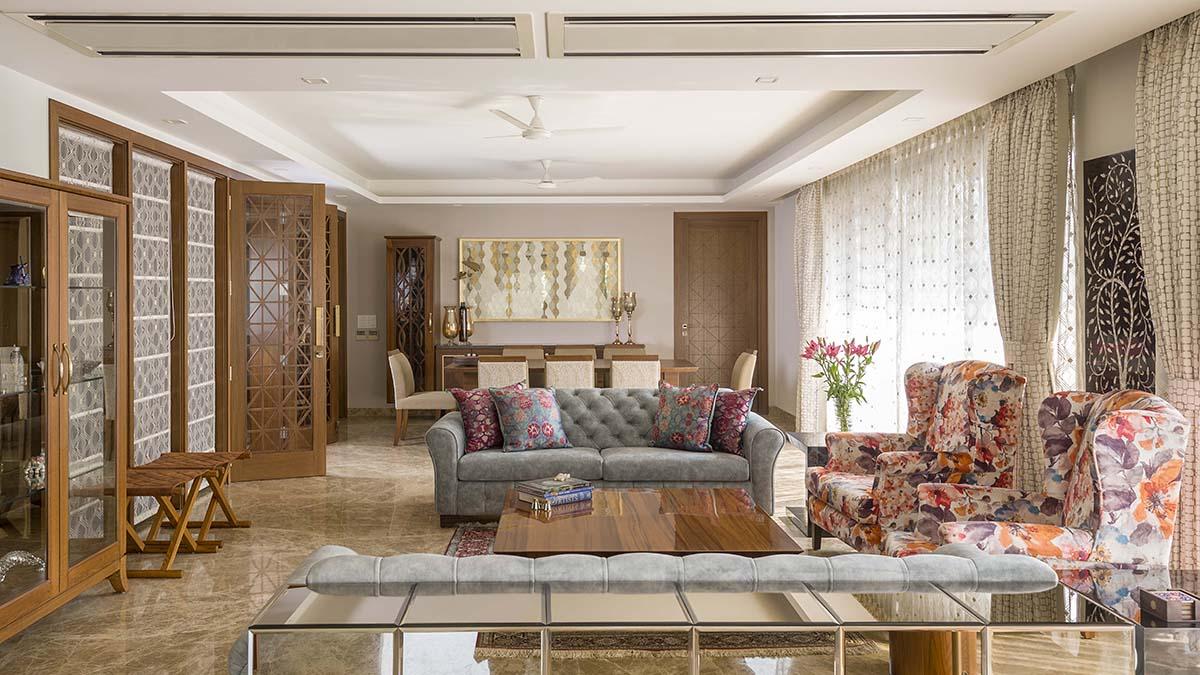
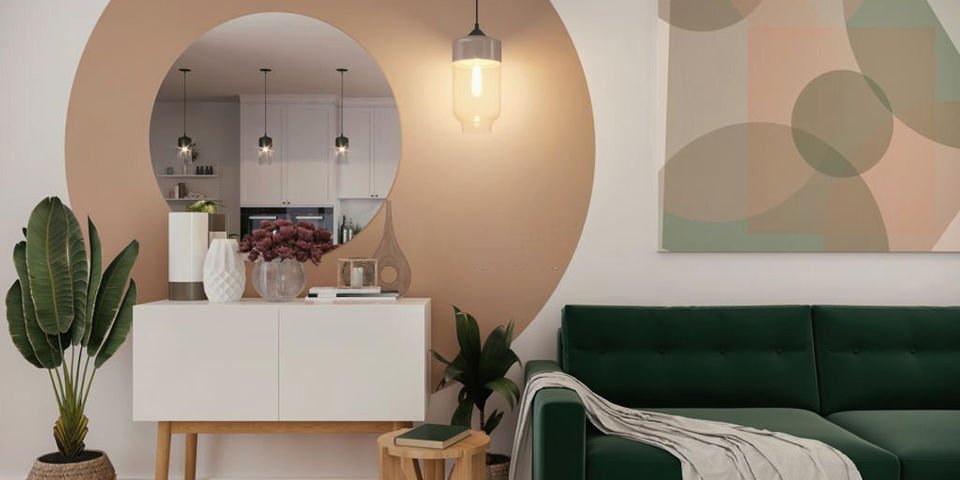
Mirrors or glasses are multipurpose. They can be used in homes, offices, hotels, and bars. In the decorative aspect, Awori explains that they serve the purpose of filling up spaces and can also be used to accentuate the colour of a wall or fill up blank spaces.
She adds, “They also perform a reflective purpose which we know, as human beings, allow us to see our reflections. Mirrors can also be talking pieces. And that is dependent on the size and frame that you use.”
For instance, part of the uniqueness of the interior of Vaults Bar in Bugoloobi is its use of a mirror at the display point to create a bigger visual interest by contrasting out the black textured display with a polished mirror point. As seen in the wider scope of the bar setting, it helps to break up the flatness of concrete construction. It might be hard to appreciate beauty in a place where you go to pick up medicine but the display space of Medimart Pharmacy in Katwe is noticeable for its mirrors that increase the general feel of the interior by creating a reflection. Read More…