How To Use Quality Isopods For Sale

Isopods possess widely-spaced, fixed compound eyes with over 4000 individual facets for increased vision in low light conditions and to avoid detection by other animals.
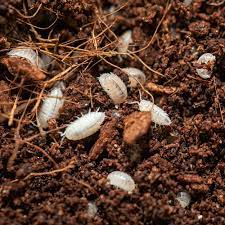
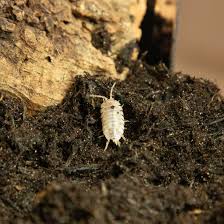
Isopods make great additions to any pet terrarium or vivarium. As detritivores, they consume decaying organic material and recycle it into nutrients for plants - as well as providing hours of entertainment and hobby for hobbyists! Terrestrial isopods breathe through gills on their undersides and require constant moisture for survival, pushing tail-like appendages into dewdrops to bring moisture directly to their gills.
Size
Though some may view these creepy-looking creatures as pests, isopods play an integral part in decomposition and soil fertility by eating organic material. Giant isopods such as Porcellio magnificus can add beauty to any aquarium; male isopods have small appendages under their underside called peenies which they use to transport sperm while females possess long appendages on top side called uropods for egg transference.
Aquatic isopod generally move by crawling, though some species can swim short distances. They're scavengers that feed on dead animal and plant matter that sinks to the ocean floor or is left behind from trawl bait discarded into the sea, and even fish carcasses! Terrestrial isopods tend to prefer leaf litter, wood and rock surfaces as a place where they conserve moisture; some species can even form balls similar to pill bugs - giving rise to their nickname, "roly-poly" millipedes - while their preferred contact helps conserve moisture levels so as to avoid dessication.
Colour
Isopods possess widely-spaced, fixed compound eyes with over 4000 individual facets for increased vision in low light conditions and to avoid detection by other animals.
As their marine cousins do, isopods feature flattened bodies with segmented bodies; antennae for sensing their environment, and small gill-like structures called pleopods (analogous to air sacs) for gas exchange. Land isopods have modified their pleopods for use on dry land but still need sufficient moisture and ventilation for survival. Learn everything you need to know about isopods for sale uk by clicking here or visiting our official site.
Porcellionides pruinosus' orange morph was among the first isopod color variants introduced into pet reptile hobby, and remains one of the hardy, prolific and attractive options available to reptile owners today. Care and breeding is just as straightforward as for powder blue morphs; furthermore it makes an excellent way to clean up after pet reptiles by eating leaf litter, wood debris, slime mold fungus as well as leftover food or animal waste!
Lifespan
Isopods are a fantastic pet, being both affordable and simple to care for. Perfect as starter pets for kids and beginning bioactive terrarium owners alike, these crustaceans come in all sizes and colors imaginable! Their bodies are segmented, with seven individual segments making up their thorax (also called pereonites). Unlike insects, spiders don't possess wings for flight but instead use claws as means of movement.
Isopods, known as detritivores in nature, feed off dead animal matter that settles down from higher in the water column to feed on. Additionally, these aquatic predators serve as scavengers in both freshwater and marine environments.
Nature provides isopods with plenty of shelter. Most species can be found tucked into leaf litter, beneath wood & rock surfaces or near moist environments; certain species, like Armadillididae (pillbugs), even have the ability to curl themselves into balls as an effective defensive mechanism and moisture conservation strategy.
They are easy to care for
Isopods can be found in many environments, yet they thrive best when kept in an enclosure that replicates their natural habitat. A terrarium filled with leaf litter & decomposed wood will provide moisture-retaining substrate that keeps isopods alive; regular misting with dechlorinated water may also prove helpful in maintaining optimal conditions for these creatures.
Isopods must be fed a diet rich in detritus, fish flakes and vegetables rich in calcium for proper molting processes to take place smoothly. A diet including crushed eggshells or cuttlebone may be particularly beneficial. Interested in buy isopods? Click here or visit our website for details.
Isopods require temperatures ranging between 70-80deg F and humidity levels between 70% & 80% for optimal growth. Furthermore, it's crucial that their habitat be supplied with hiding spots, sources of moisture such as sphagnum moss, some boiLED and plenty of leaf litter and decomposed wood to facilitate their survival.


