Hungary's Economy Minister Hints at Reintroducing Price Caps Amid Rising Inflation
-
 Loading...
 - Katrien Vliet
- 11 Feb 2025
- 59 Views
- 0 Like
- 0 Comment
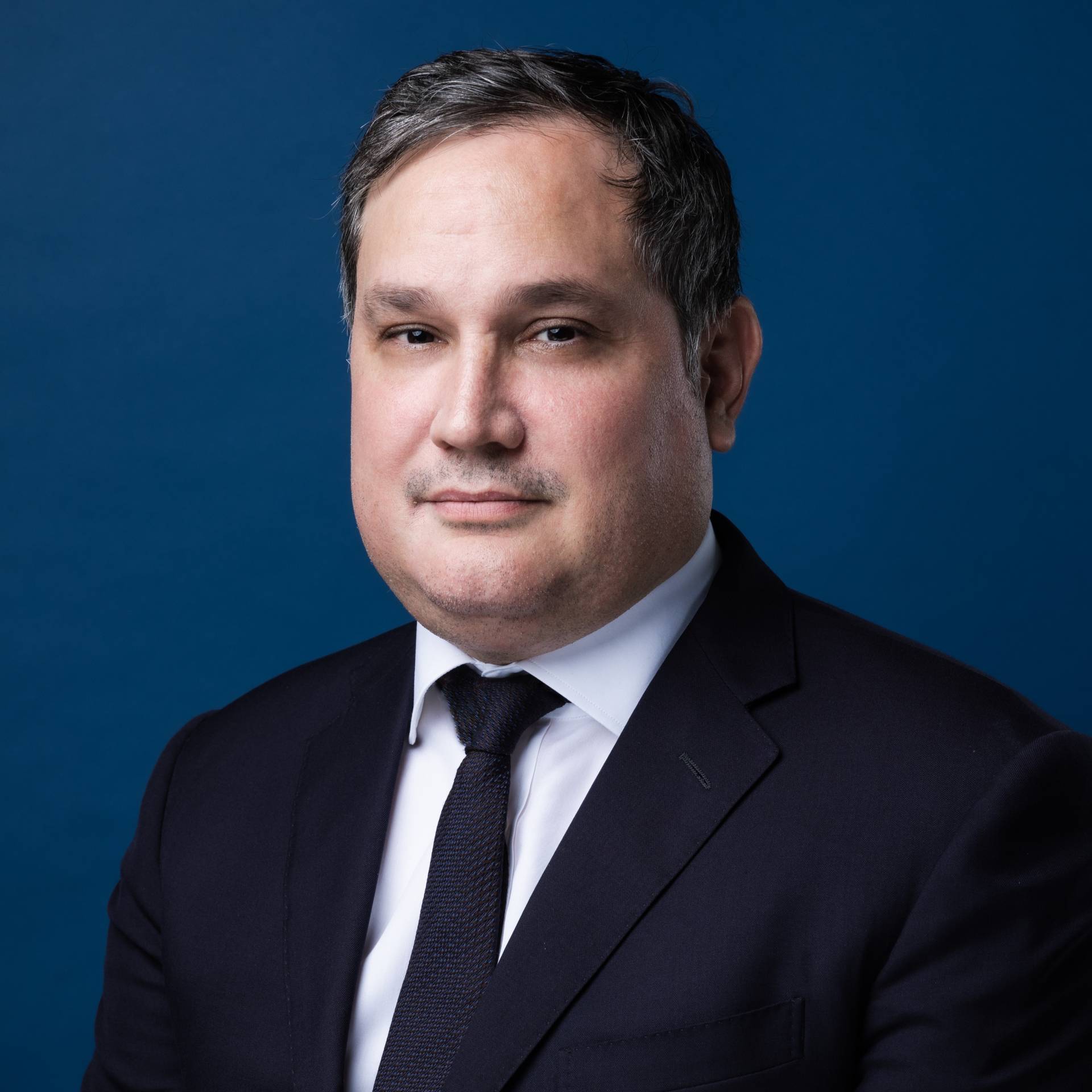
Marton Nagy, Hungary's National Economy Minister, indicated in a social media post on February 10 that the government may consider reintroducing price caps to shield households from escalating prices. This statement came just before the Central Statistical Office (KSH) was set to release January's inflation figures, which are anticipated to show further increases in the inflation rate.
Inflation in Hungary rose from 3.7% in November to 4.6% in December, marking the second-highest rate among EU countries and the highest level recorded in 2024. This increase follows a low of 3% in September. The rise in the Consumer Price Index (CPI) for January is attributed to several factors, including new taxes, higher excise duties, a weaker forint, and increasing service prices.
The government previously implemented price caps on fuel in November 2021 and later on basic food staples. However, these measures led to supply shortages and market distortions, ultimately contributing to higher inflation. Analysts have cautioned against reintroducing price caps for similar reasons, highlighting the potential for negative economic consequences.
Gyorgy Matolcsy, the Governor of the Hungarian National Bank (MNB), has consistently criticized the government's "unorthodox measures" to combat inflation, particularly the use of price caps. He claims that these measures added 3-4 percentage points to inflation in 2023, when the average inflation rate reached 17.6%. Cumulative inflation in Hungary from 2020 to mid-2024 has exceeded 50%, which is double the EU average and approximately 10 percentage points higher than Estonia, the second-ranked country.
The food retailer association has attributed rising prices to higher supplier costs, with the sharp increase in egg prices linked to bird flu outbreaks.
A week prior, outgoing Monetary Council member Gyula Pleschinger projected that inflation could exceed 5% in January. In an interview with Reuters, he stated that inflation is expected to return to the central bank's tolerance band of 4% by the end of the year, with an average inflation rate of 4.1-4.2% in 2025. This projection is higher than the MNB's current target and about 1 percentage point above the government's forecast of 3.2%.
Pleschinger also ruled out any cuts to the central bank's interest rate, currently at 6.5%, despite market expectations for at least a 50 basis point cut in the second half of the year. His hawkish stance contributed to the HUF/€ currency pair strengthening to below 405, marking its strongest level in three months.
As Hungary grapples with rising inflation, the potential reintroduction of price caps raises concerns among analysts and economic leaders about the long-term effects on the economy. With inflationary pressures expected to persist, the government's approach to managing prices will be closely scrutinized in the coming months.