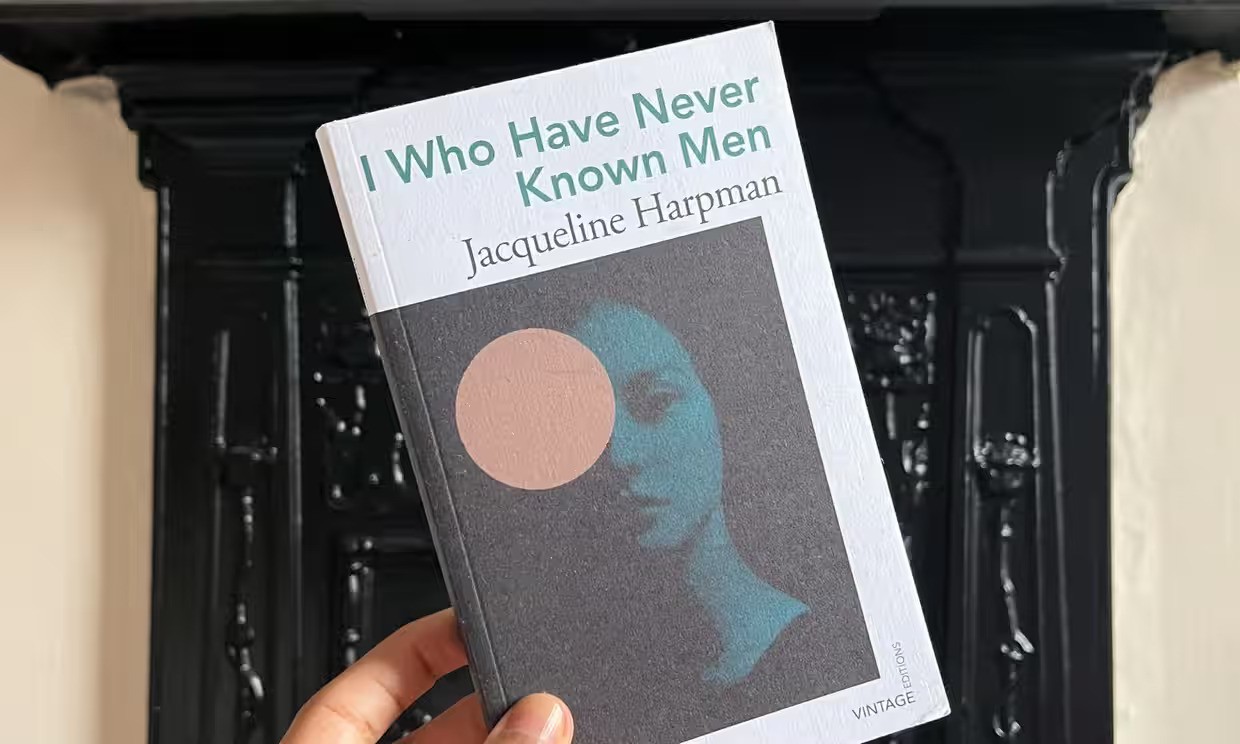
"I Who Have Never Known Men": The Lost Dystopia Finding New Readers After Buzz on TikTok

Originally published in 1995, Jacqueline Harpman's novel "I Who Have Never Known Men" (IWHNKM) has recently resurfaced in the literary spotlight, capturing the attention of a new generation of readers. Once a forgotten title, this bleak tale of women confined by men has been embraced by Gen Z, drawing comparisons to iconic works like Margaret Atwood’s "The Handmaid’s Tale" and Octavia E. Butler’s Parable series.
The novel tells the harrowing story of a girl who, along with 39 other women, is locked in a cage within an underground bunker on an unnamed world. The narrative explores themes of sisterhood, survival, and the struggle against oppression, resonating deeply with contemporary audiences who are increasingly aware of issues surrounding gender and autonomy.
The resurgence of interest in IWHNKM can largely be attributed to BookTok, a vibrant community on TikTok where users share their love for reading and recommend books to one another. The novel has gained traction through hashtags like #IWhoHaveNeverKnownMen, leading to a surge in demand that has left bookstores scrambling to keep it in stock. The platform's ability to create viral trends has breathed new life into Harpman's work, introducing it to readers who may not have encountered it otherwise.
The parallels drawn between IWHNKM and other dystopian narratives highlight the timelessness of its themes. Much like Atwood’s and Butler’s works, Harpman’s novel delves into the complexities of female experience in a patriarchal society. The story’s exploration of confinement and the quest for freedom resonates with the current cultural climate, where discussions about women's rights and societal structures are more relevant than ever.
"I Who Have Never Known Men" is a powerful reminder of the importance of storytelling in addressing social issues. Its newfound popularity among Gen Z readers underscores the potential for literature to inspire dialogue and reflection. As the novel continues to gain traction, it serves as a testament to the enduring power of narratives that challenge the status quo and advocate for change. With its themes of resilience and solidarity, Harpman's work is poised to leave a lasting impact on a new generation of readers.