Ideological divide deepens in Venezuela as Maduro secures victory

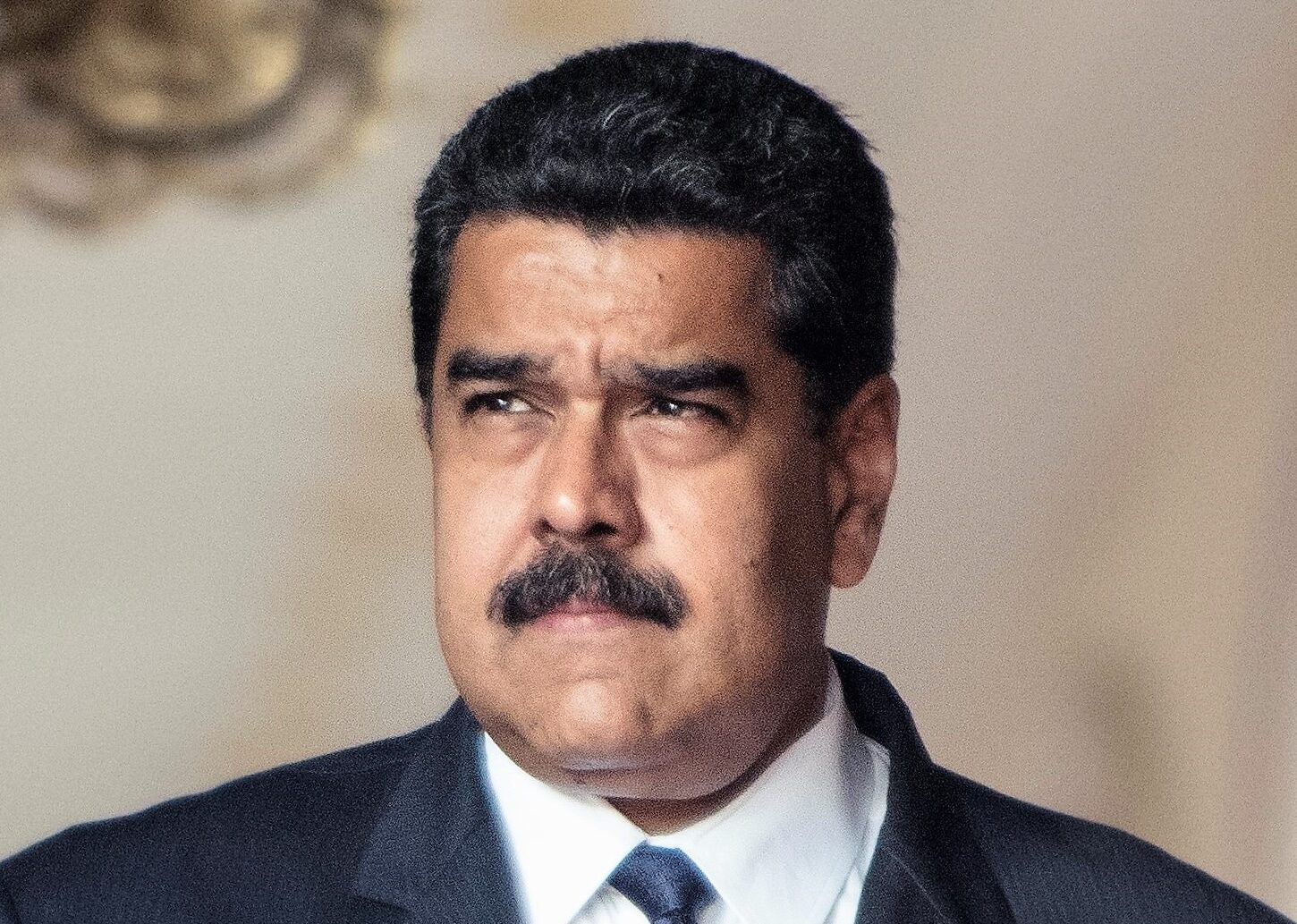
Venezuela's recent presidential election has deepened the country's ideological divide, with Nicolás Maduro securing his position amid significant economic and social turmoil. The election has highlighted a profound rift within the nation, beyond just the candidates themselves.
Maduro's regime has been in power for over a decade and has increasingly relied on repression to maintain power. The recent election was highly questionable, with many indications that the opposition candidate, Edmundo González, won the election. However, the lack of transparency in the electoral system makes it impossible to know the true result.
Protests have already erupted in response to the results, with opposition supporters frustrated and angry. The regime is likely to respond with repression and violence, leading to further unrest. The opposition may also see many of its leaders and supporters leave the country, further weakening the movement.
The election has significant implications for Venezuela's relationships with neighboring countries and major global powers. Few countries have recognized the validity of the election, with Maduro's main allies, such as Russia and China, being the exceptions. The United States has implemented sanctions against the Venezuelan economy, which have had negative consequences for the general population. Other Latin American countries, particularly Brazil, Mexico, and Colombia, may play a crucial role in mediating between Maduro's government and Western powers.
The scale of potential fraud and repression of the opposition in this election is unprecedented. The opposition has been more organized than in previous elections, collecting paper tallies and statistics to prove their victory. However, the pressure from below, coming from the streets, needs to be matched with pressure from above to bring about change.
Overall, Maduro's victory has deepened the ideological divide in Venezuela, with significant consequences for the country's internal stability and its relationships on the global stage.