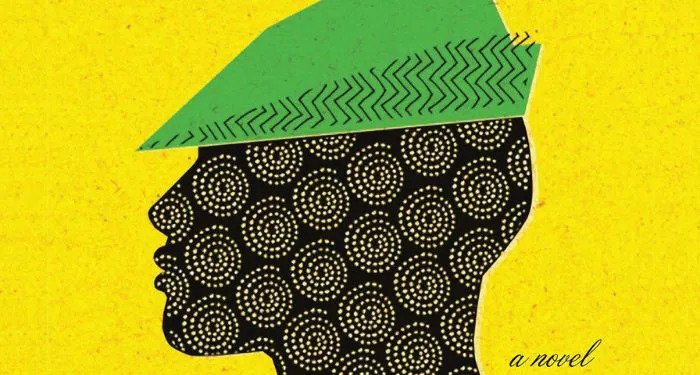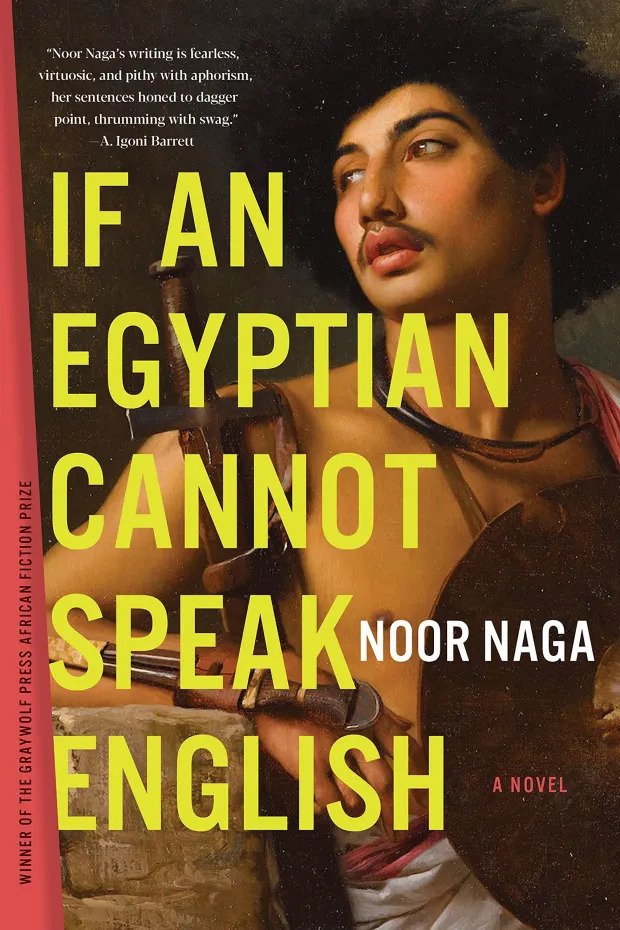
If An Egyptian Cannot Speak English by Noor Naga
-
 Loading...
 - Jerome Makris
- 22 Jun 2022
- 162 Views
- 0 Like
- 0 Comment
Winner of the Graywolf Press African Fiction Prize, this involving experimental debut novel by a teacher at the American University in Cairo takes on issues of race, colonialism, disappointment at a failed revolution, and sex as a weapon.
The protagonists have no proper names. She calls him “the boy from Shobrakheit” (a village in Egypt). She’s “the American” to him. They meet at a cafe in Cairo in the aftermath of the Arab spring. He was a photographer of the revolution but now is unemployed and addicted to cocaine, wearing his useless camera around his neck all day. She is daughter of immigrants “returning” to a country she’s never been to, teaching English and living in a light-filled flat.
They fall in love and he moves in with her, but the relationship falls apart. He is filled with self-doubt and some loathing that comes out in his physical attacks on her. She takes the abuse for reasons that bring to the foreground their different expectations, social status and cultural norms.
The first part of the novel is made up of questions such as, “If a city is actively trying to kill you, should you take it personally?” The answers move the story forward with glimpses of the two characters’ lives as children.
There is no direct dialogue. The village boy and American girl express themselves in alternating chapters. She is at the most disadvantage because she doesn’t speak Arabic well enough to tell him her feelings. He is comfortable in his own country; she is not. When she is robbed, she admits that in Cairo she wants to blend in: “I spend the rest of the day canceling credit cards over the phone, wondering if I have been robbed because I look like a foreigner, or robbed because I don’t look enough like one.”
When a tragedy occurs in her apartment, the American girl has to question her assumptions and her life.
Award-winning Nigerian writer A. Igoni Barrett. who judged the fiction prize competition, said in his winner’s statement that Naga’s writing is “fearless, virtuosic, and pithy with aphorism, her sentences honed to dagger point, thrumming with swag.”
An interesting part of this book is at the end, in which a writing class is critiquing Noor’s book. She can only listen and not defend herself. As her classmates question her plot, characters and handling of domestic violence, it’s as though the author is answering questions in her own mind.
If you want a new and different reading experience, make it a point to meet this village boy and American girl who are part of the 21st-century generation of young people who will learn about themselves as they meet in new places. Read More...