
If blood often comes from the nose: how to stop it and when it's time to see a doctor
-
 Loading...
 - ollie darcie
- 18 Jul 2022
- 109 Views
- 0 Like
- 0 Comment
We deal with experts how to distinguish a simple nosebleed from an important symptom of health problems and how to stop the bleeding. The first important rule - do not throw your head back!
· What is it
· The reasons
· How to stop
· What Not to Do
· When you need medical help
· Which doctor to contact
· Who gets nosebleeds most often?
· Prevention of nosebleeds
What is nosebleed
Nosebleeds are a common phenomenon, which is the outflow of blood from the vessels of the nose due to injury or disease. “Rare episodes do not cause serious problems,” said therapist Vera Sukhova.
However, this state of affairs should not be underestimated. History remembers the sad fate of Atilla, who was prevented from capturing the Roman Empire by a nosebleed that resulted in the death of the leader of the Huns. The Gothic historian Jordanes described the death of Attila in his Getica as follows: “He lay floating in the blood that usually came from his nostrils, but now was delayed in its usual course and, pouring out along a deadly path through the throat, strangled him” [ 1] .
Sources are silent about how much nosebleeds are hidden behind the word "usually." We find out from modern specialists what should be considered "frequent" cases? “These are bleedings that occur at least several times a year,” Vera Sukhova emphasized.
Causes of nosebleeds
Trauma is not the main cause of nosebleeds. There are more serious problems. Elena Chekaldina: “Most often, nosebleeds are due to dryness of the mucous membrane of the anterior parts of the nasal cavity, which leads to constant picking in the nose. Irritation of the mucous membrane can occur due to dry air, deviated septum, certain drugs, such as allergy sprays.
The following causes of nosebleeds can be distinguished:
· Mechanical injuries, blows and damage to the nose due to "picking".
· A consequence of taking certain medications, for example, for allergies, as well as aspirin, anticoagulants.
· Infectious diseases that provoke swelling in the nasal cavity.
· Deviation of the nasal septum.
· Sinusitis, sinusitis, rhinitis, etc.
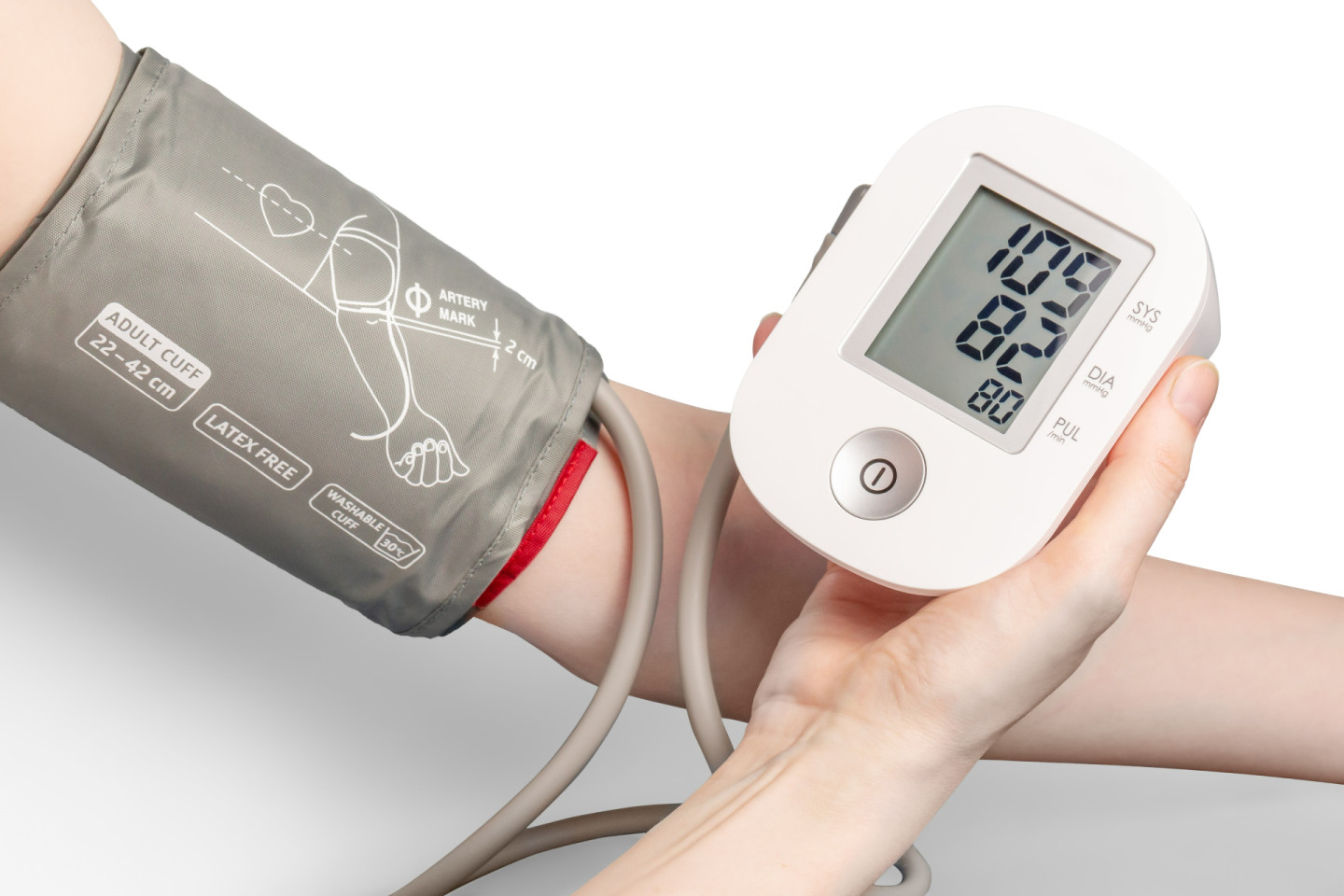
· Increase in blood pressure.
· Blood diseases.
· Some endocrine diseases.
· Overwork, vitamin deficiency.
· Polyps, adenoids, tumors.
“Despite the fact that the cause may seem obvious, we must not forget about other diseases that manifest as nosebleeds, which the otorhinolaryngologist excludes during examination. For example, perforation of the nasal septum is manifested by the same dryness and bleeding, but it requires not just moisturizing the nasal cavity and eliminating picking in the nose, but surgical treatment.
Neoplasms of the nasal cavity, nasopharynx, paranasal sinuses can lead to recurrent bleeding, sometimes very massive, when a cotton ball with hydrogen peroxide or vasoconstrictor drops does not help. Stopping such bleeding is carried out by a doctor, special tampons or balloons are used.
Any inflammatory process in the nasal cavity can lead to irritation of the mucous membrane and bleeding, whether it is allergic rhinitis or infectious.
In children, it is important to exclude foreign bodies in the nose. Only after examination and exclusion of local causes of bleeding, the doctor can proceed to the search for systemic ones. Read More…