IMF, Paraguay Agree on First Policy Coordination Review
-
 Loading...
 - Reyes Paul
- 28 Apr 2023
- 68 Views
- 0 Like
- 0 Comment
End-of-Mission press releases include statements of IMF staff teams that convey preliminary findings after a visit to a country. The views expressed in this statement are those of the IMF staff and do not necessarily represent the views of the IMF’s Executive Board. Based on the preliminary findings of this mission, staff will prepare a report that, subject to management approval, will be presented to the IMF’s Executive Board for discussion and decision.
The expected economic recovery from last year’s drought is underway. Inflation is continuing to recede while the Central Bank of Paraguay maintains a moderately tight monetary policy stance. The medium-term economic outlook remains favorable, but there are risks from a worsening global outlook and extreme weather events.
The fiscal consolidation path remains on track. Quantitative targets and reform targets were broadly met. The mission held cordial and constructive discussions with the authorities about the economic outlook and the reform agenda going forward.
The IMF team and the Paraguayan government reached a staff-level agreement on the macroeconomic policies and structural reforms needed to complete the first review under the PCI.
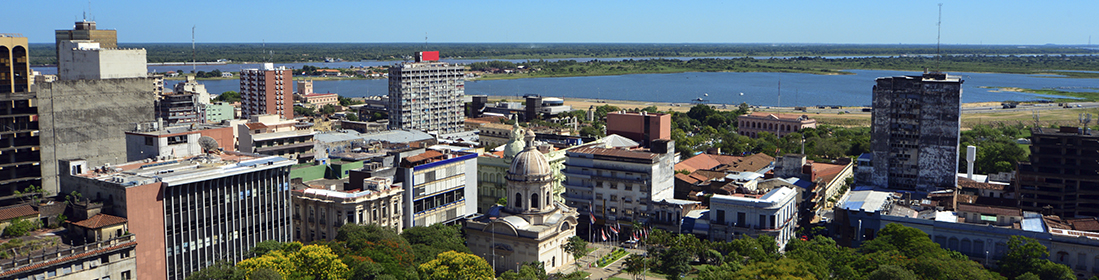
Washington, DC: An International Monetary Fund (IMF) team led by Mr. Mauricio Villafuerte visited Asunción from March 27 to April 4 to conduct discussions on the first review under the Policy Coordination Instrument Arrangement [[1]] with Paraguay.
At the conclusion of the discussions, Mr. Villafuerte issued the following statement:
“The macroeconomic performance in 2023 is strong, as the economy is recovering from last year’s drought and the implementation of policies remains on the expected path. Growth is projected at 4.5 percent for 2023, and the fiscal deficit of this year is foreseen to decrease to 2.3 percent of GDP. This is important, as Paraguay needs to rebuild fiscal buffers and preserve resilience against future shocks after the past few years’ substantial increase in public debt due to the impact of the COVID-19 pandemic and the measures aimed at the economic recovery. We encourage the authorities to also keep their view focused on further reducing the deficit in 2024 to comply with the Fiscal Responsibility Law’s deficit ceiling of 1.5 percent of GDP. Read More…