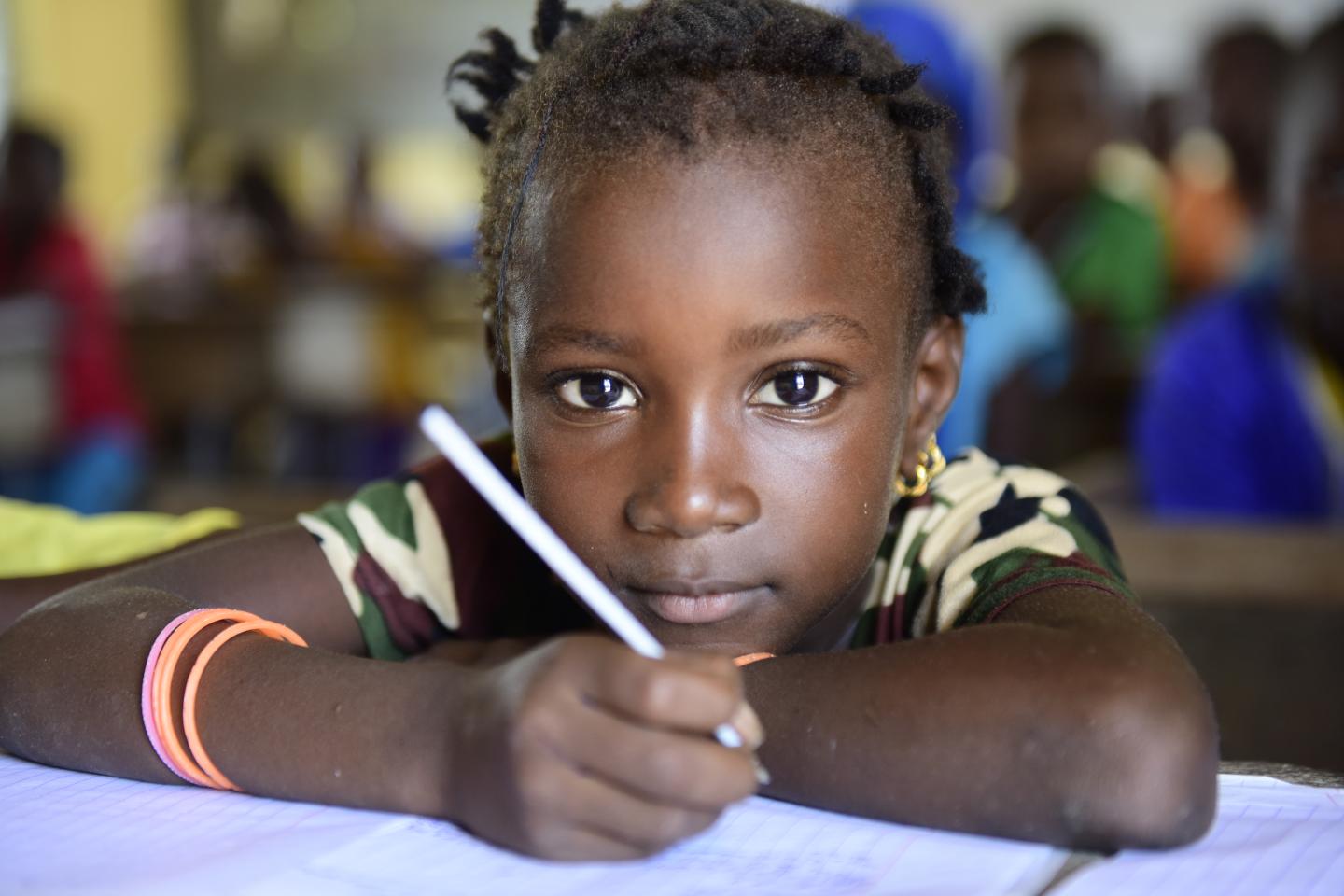
Impact of girl child education in Senegal
-
 Loading...
 - Faheem Nyang
- 09 May 2023
- 69 Views
- 0 Like
- 0 Comment
In Senegal, girls have historically faced limited access to education due to cultural, economic, and social barriers.
Girl child education in Senegal can have a significant impact on the country's development. When girls are educated, they are more likely to delay marriage, have fewer children, and contribute more to the country's economy. Education can also help girls develop the skills and knowledge needed to make informed decisions about their health and well-being.
In Senegal, there have been significant efforts to improve access to education for girls. In 2014, the government implemented a program to provide free textbooks and school supplies to girls in primary school. The program has been successful in increasing girls' enrollment and reducing dropout rates.
However, despite these efforts, many challenges remain. Poverty, early marriage, and cultural norms that prioritize boys' education continue to limit girls' access to education. Additionally, girls often face discrimination and violence in and around schools.
To address these challenges, continued investment in girls' education is critical. This investment should include efforts to improve access to education, promote gender equality, and address the root causes of gender-based discrimination and violence. By investing in girls' education, Senegal can help to build a more equitable and prosperous society.


