Imperial Oil Reports $1.13 Billion in Net Income, Up from $675 Million a Year Ago

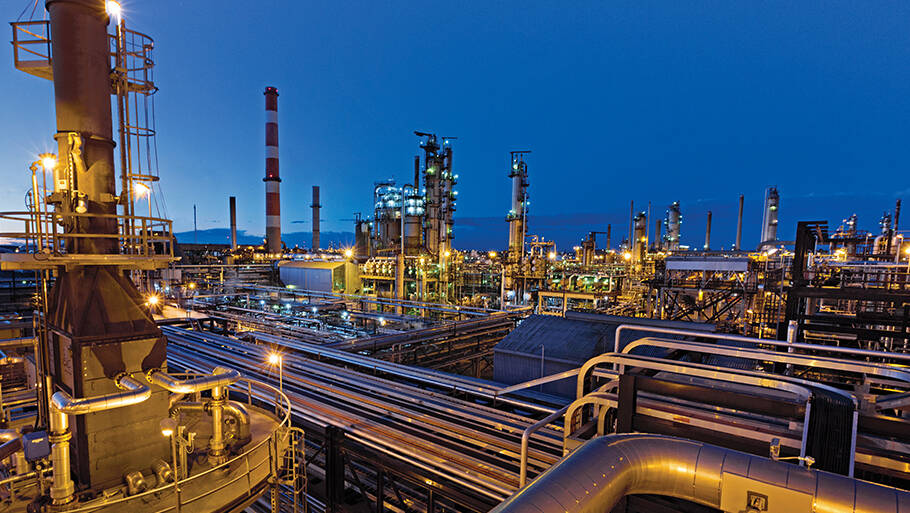
Imperial Oil Ltd. has announced significant progress on Canada's largest renewable diesel facility, currently under construction near Edmonton. The $720-million project at Imperial's Strathcona refinery is on track to be completed by next spring. Once operational, the facility will produce over one billion litres of renewable diesel annually, using locally sourced vegetable oils and low-carbon hydrogen.
Imperial chairman and CEO Brad Corson expressed confidence in the project during a recent conference call, despite the current oversupply of renewable fuel in the U.S. negatively impacting margins for producers there. Corson emphasized the unique market conditions and economic drivers in Canada, which continue to support the project's viability.
Renewable diesel is advantageous because it is chemically equivalent to petroleum diesel, allowing it to be transported through existing petroleum pipelines and sold at retail stations without modifications. This characteristic makes renewable diesel an appealing option for fuel refiners, especially in light of climate regulations such as Canada's clean fuel standard. This standard mandates a gradual reduction in the carbon intensity of liquid fuels produced and sold in Canada.
According to the Canada Energy Regulator, increasing renewable diesel production is crucial for meeting the federal target of reducing emissions intensity by 15% below 2016 levels by 2030. If global climate commitments are met, renewable diesel could constitute 35% of the world’s diesel supply by 2050.
The Strathcona project joins Canada's first stand-alone renewable diesel complex, completed by Tidewater Renewables in Prince George, B.C., last year. Several other projects are also proposed across the country.
In contrast, the U.S. has seen a significant surge in renewable diesel production since 2021, with capacity more than tripling. This rapid expansion has resulted in production levels far exceeding the U.S. Environmental Protection Agency's blending mandates. Additionally, the increased number of renewable diesel facilities in the U.S. has led to competition for feedstocks, such as vegetable oil, animal fats, used cooking oil, and even algae.
In summary, Imperial Oil's renewable diesel facility is set to play a pivotal role in Canada's energy transition, supporting climate goals and diversifying the company's portfolio amidst a growing renewable diesel market.


