In Taiwan, an exhibition exploring the afterlife of East and Southeast Asia captures the spirit of the island
-
 Loading...
 - Arif Siregar
- 11 Oct 2022
- 72 Views
- 0 Like
- 0 Comment
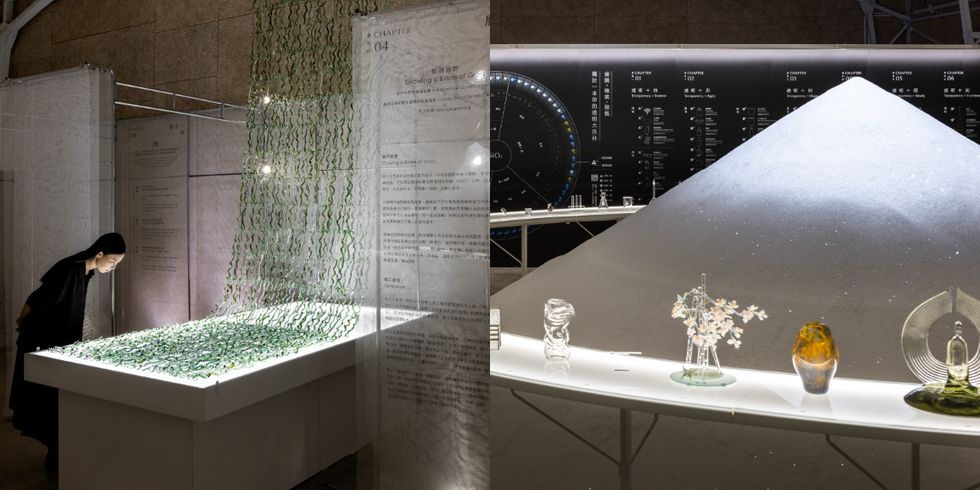
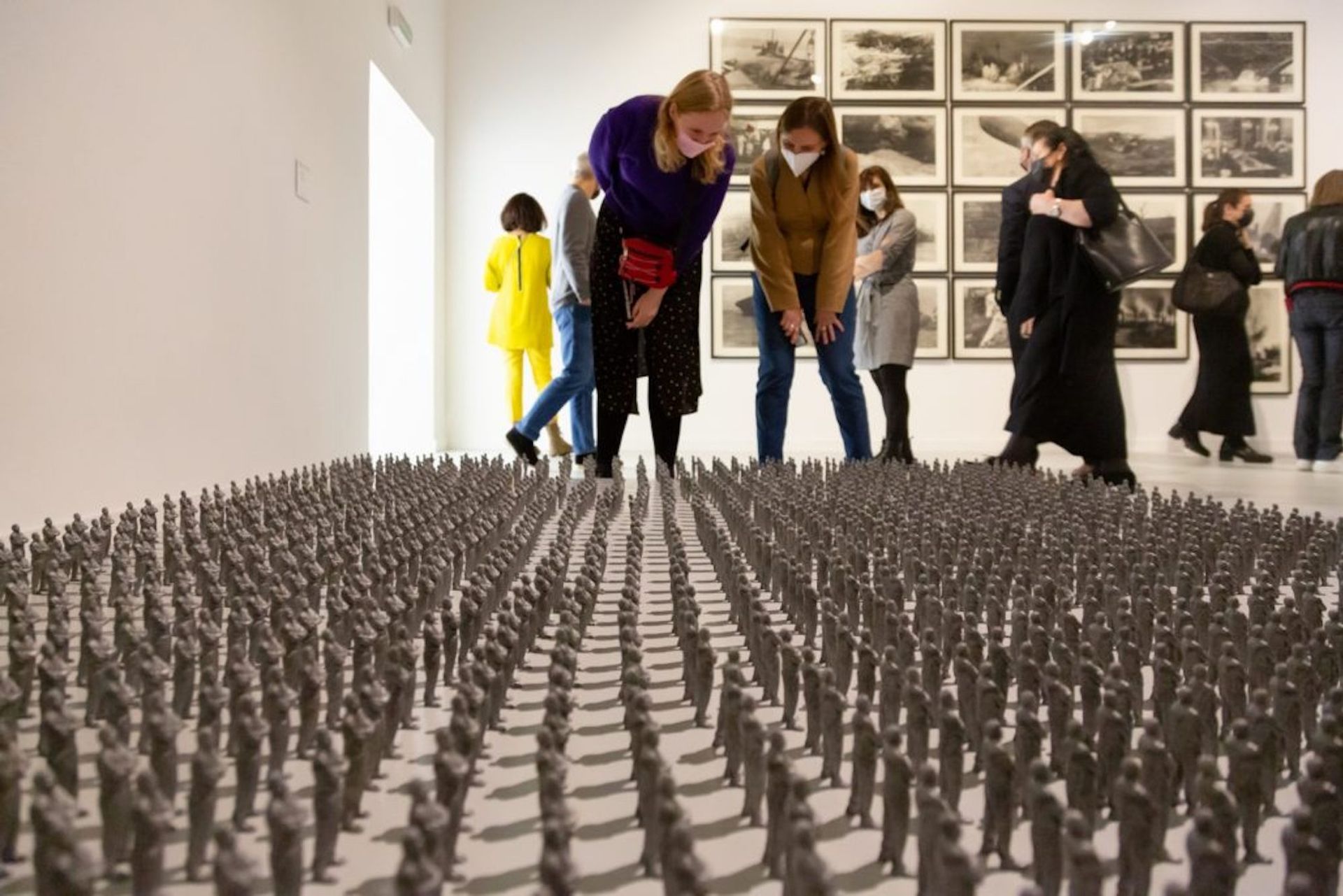
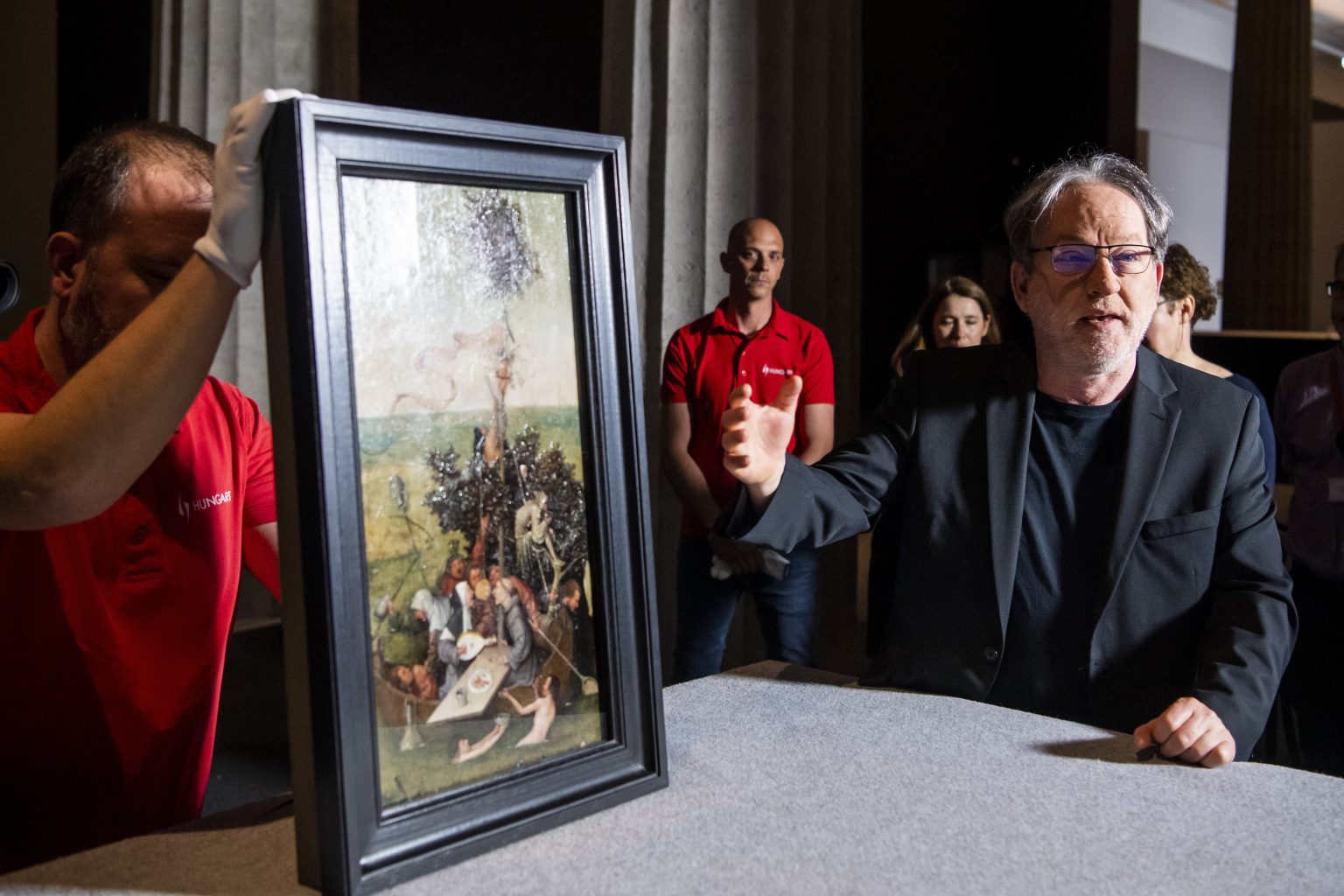
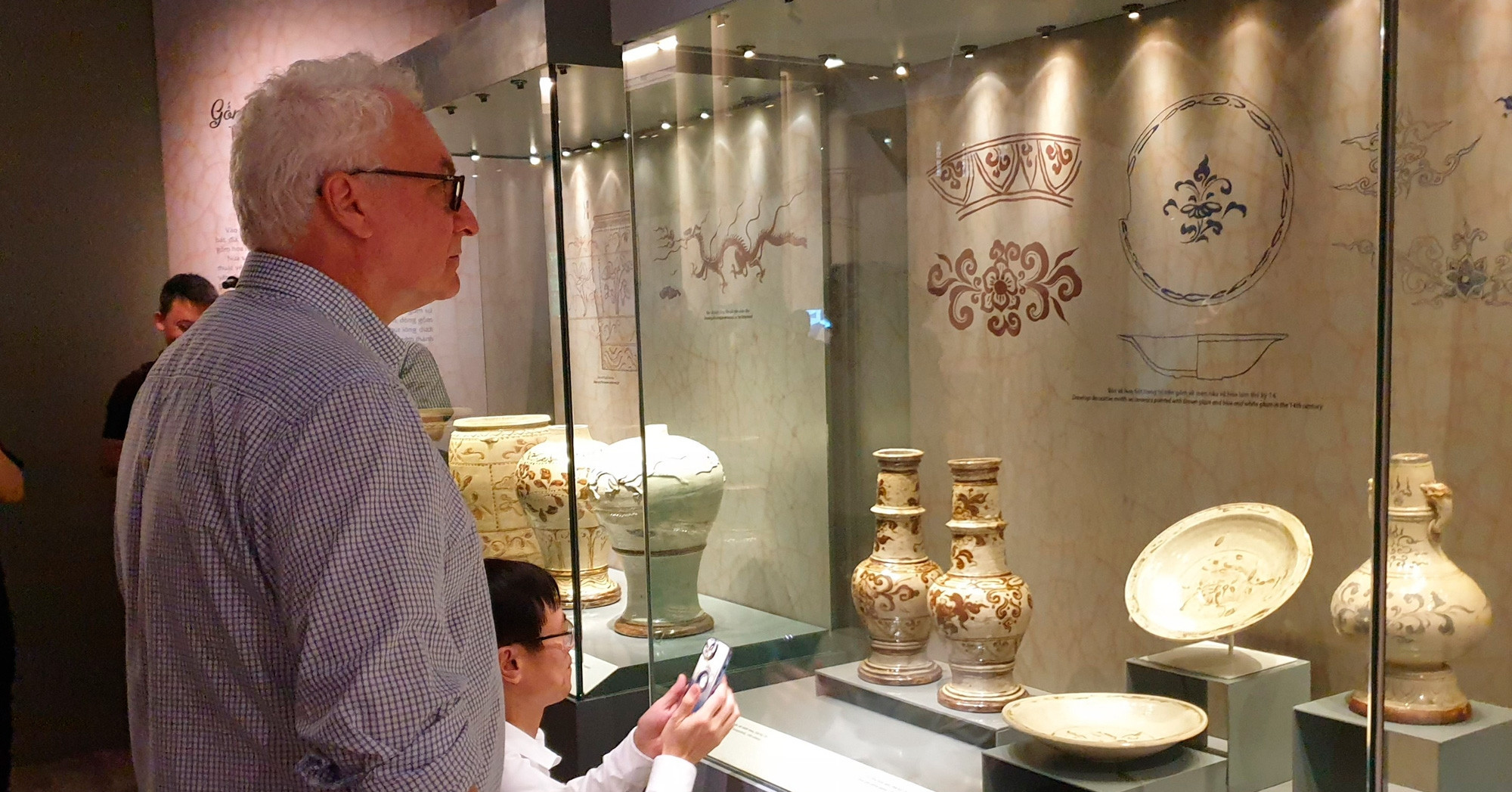
On a Thursday morning at the end of September, lines are already out the door at the Tainan Art Museum in southern Taiwan. Many of the museum-goers skew young, and they appear excited to see one exhibit in particular – Ghosts and Hell: The Underworld in Asian Art.
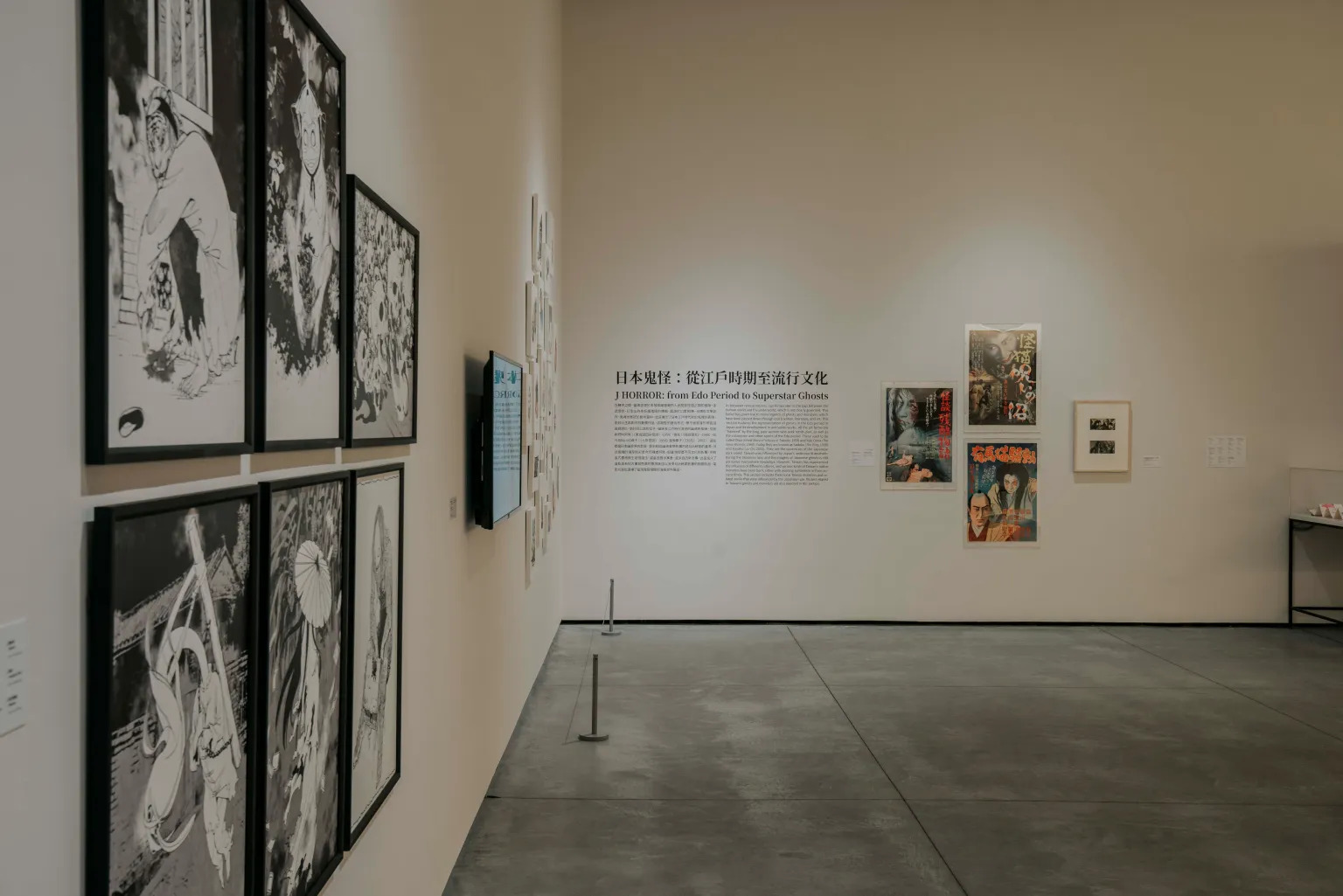
The installation invites visitors to tour the East Asian and Southeast Asian afterlife as imagined by Buddhism and folk religion through paintings, sculpture, film, and mixed media.
Even before the exhibit officially opened in June, it was clear it was going to be a success, with images of its Chinese “zombies” display going viral online, generating 101,000 Facebook “likes” and 51,000 comments. Three months in, the museum has sold more than 200,000 tickets with final numbers to be tallied when it closes on October 16.
Special ticketing arrangements have been in force to ensure visitors get equal opportunity to wander through the “gates of hell” or examine amulets to ward off evil spirits.
“I think it’s [so popular] because in our childhood, we watch a lot of horror movies from China, or Hong Kong or Japan, and we have a huge emotional connection to zombies,” says Chi-Lien, a member of the museum’s education department, as he takes HKFP around the exhibition. “Most people found it very cool that this was the first time they could see such things in an art museum.”

The zombies, museum exhibition designer Chen Han-yang later explains, came from the Chinese custom of “corpse walking” to help bring the dead home. In places like Hunan, a mountainous province in southern China, carrying the bodies was challenging.
Transporters would tie them upright with their arms attached to bamboo poles – which made them look like reanimated corpses walking with outstretched limbs. The practice would enter folklore – and later horror cinema — as a jiangshi vampire zombie. Read More…