Indian kid lit is tackling difficult questions of gender, disability, sickness and death
-
 Loading...
 - Kabir Laghari
- 07 Jun 2022
- 268 Views
- 0 Like
- 0 Comment
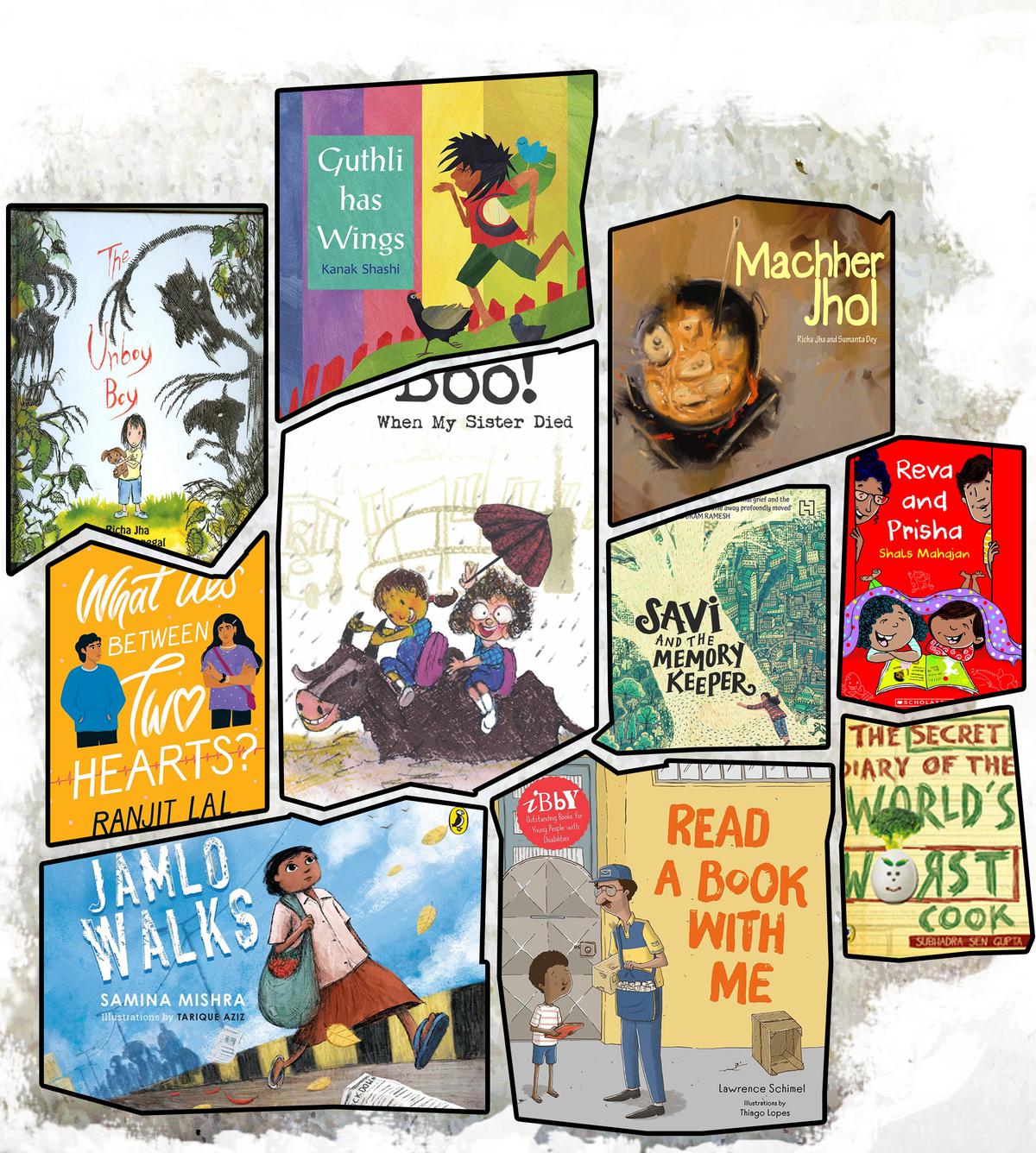
I recently read a children’s picture book called Jamlo Walks by Samina Mishra , about a little Adivasi girl who died during the migration of workers following the 2020 lockdown. It was factual and didn’t mention death once, but I cried and howled like I knew Jamlo personally. It dredged up memories of the peak pandemic days, when Facebook overflowed with obituaries, WhatsApp conversations brought only bad news, and television screens showed displaced people walking thousands of miles to reach home. Reliving the collective helplessness, I cried myself to sleep.
The previous day, I’d cried in a bookshop while reading Richa Jha’s Boo! When My Sister Died, about a girl angered by her sister’s death; and Macher Jhol, also by Jha, about a blind boy who wants to make a fish curry for his sick father. In a few days, I’d become so addicted to children’s picture books that I joined a free online children’s library, Storyweaver, by Pratham Books. I like the Indian stories the best because they resonate with me — they either talk about experiences I have lived through or the surroundings they illustrate are familiar. Kids wear recognisable uniforms and their families look like mine.
Facing reality
However, when it comes to difficult topics like sickness or death, children’s literature in English has always been upfront: think of nursery rhymes like ‘Ring-a-ring-a-rosies’, where people collapse probably because of the plague or ‘Jack and Jill’, about children tumbling down the hill. But their language and settings do not speak to me: I don’t have golden locks, gingerbread is unfamiliar, as is a cottage in the woods owned by three bears. On the other hand, like every Indian, I have seen images of people walking to their faraway homes in the burning summer heat and tasted the fear of death, even while hiding in my house.
I wondered how children deal with these books which make me so sad. A little bit of reading on Samina Mishra led me to a wonderful essay (‘Why we shouldn’t shield children from darkness’) by an award-winning children’s author, Matt de la Peña, who says, “Maybe instead of anxiously trying to protect our children from every little hurt and heartache, our job is to simply support them through such experiences. To talk to them. To hold them.” Because they undergo the same experience as adults, but unlike adults, cannot process them.

A friend of mine said that her young son was afraid of playing football in the apartment compound during the lockdown because he was scared of getting COVID. Almost every parent I spoke to sighed about how their children were affected mentally in the past couple of years. But they didn’t mention finding books that would explain what was happening around them.
Yet books comfort us, help us cope. As Peña says, “There’s a power to seeing this largely unspoken part of our interior lives represented, too. And for those who’ve yet to experience that kind of sadness, I can’t think of a safer place to explore complex emotions for the first time than inside the pages of a book, while sitting in the lap of a loved one.”
Evolved storytelling
So, I spoke to children about books they’re reading, especially on topics that seem unwieldy even to grown-ups — body positivity, mental health, LGBTQIA+ issues. To my surprise, these weren’t big deal for the children. Agastya Ghosh, a Class X student of Maxfort School, Dwarka, New Delhi, knows about homosexual relationships from TV series like God Friended Me or Supergirl although he can’t recall seeing any books on them in the school library. Read More...