Injuries to Zambian lions and leopards caused by shotguns and wires snares greatly underestimated
-
 Loading...
 - Kelline Essama
- 05 Oct 2022
- 58 Views
- 0 Like
- 0 Comment
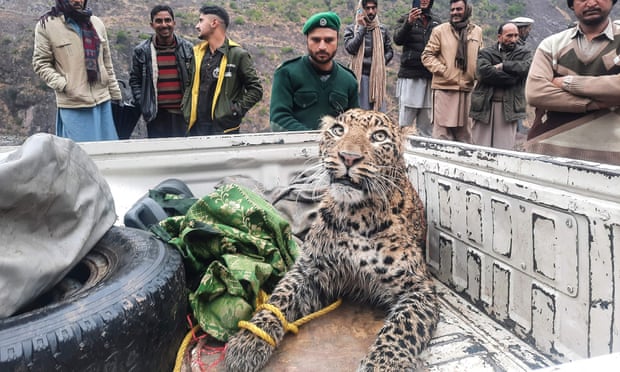
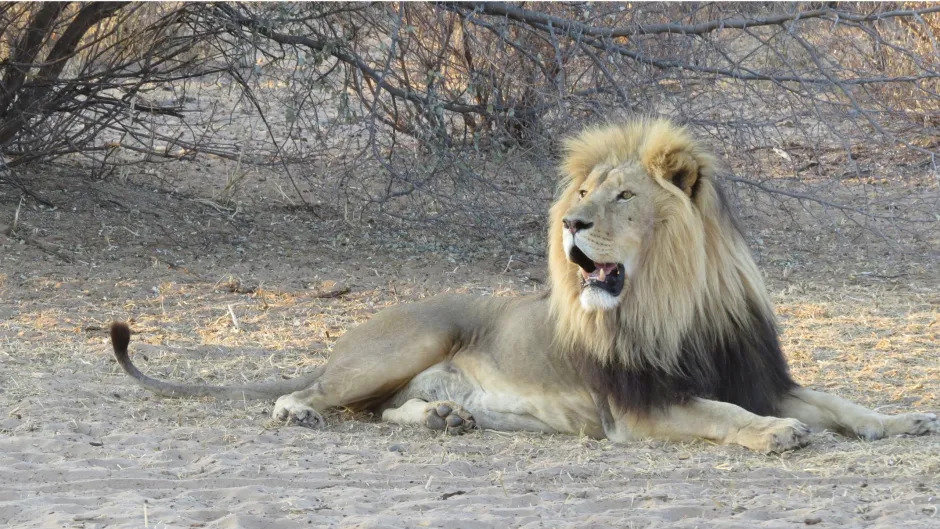
The incidence of lion and leopard injuries caused by humans in Zambia is much higher than previously thought. Using a simple forensic examination technique, researchers found that injuries from entanglement in wire snares are present in 37% of lions and 22% of leopards in Zambia, while 27% of lions had shotgun pellets embedded in their skulls. Their method provides an opportunity to better monitor and quantify the number of large carnivores sustaining non-lethal injuries due to human activities including poaching and land protection.
Today, only around 23,000 lions (Panthera leo) are left in the wild, and it is believed that leopards (Panthera pardus) are extinct in 23 of their 85 original habitat range countries.
The primary threat to African lions and leopards is human activity, such as poaching, encroaching into protected areas, conflicts with locals, and prey population decline due to the bushmeat trade.
In a new study published in Frontiers in Conservation Science, researchers studied the impacts of wire-snares and shotgun pellets on lions and leopards in Zambia via the forensic examination of skulls and teeth.
Wire snares and shotgun pellets
Wire-snares are traps used for bushmeat poaching and carnivore control. They pose a twofold threat to lions and leopards by reducing prey populations and unintentionally catching large carnivores.
Like snaring, shotgun pellets form a threat to large predators. Wildlife authorities and locals use shotguns with buckshot ammunition (made of lead pellets) to chase away predators. Serious injuries can occur by projectiles hitting the eyes and face of animals, and pellets can remain embedded in skulls, potentially resulting in lead poisoning. Read More...