Ireland's Inflation Rate Falls to 3-Year Low of 1.1%
-
 Loading...
 - Greta Colombo
- 30 Aug 2024
- 88 Views
- 0 Like
- 0 Comment
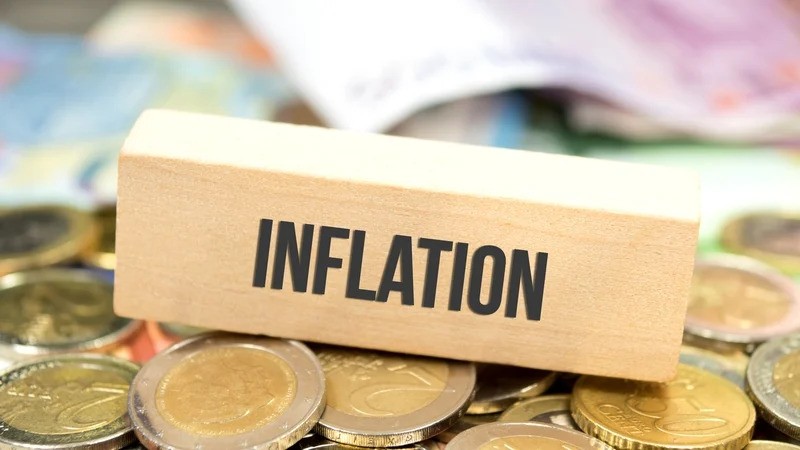
According to the latest flash data from the Central Statistics Office, Ireland's annual inflation rate has dropped to a 3-year low of 1.1% in the 12 months to August. This marks a significant decrease from the 1.5% rate recorded in the 12 months to July.
The decline in inflation can be attributed to a 9.5% drop in energy prices over the past year, as well as a 0.6% decrease in the month. This downward trend in energy costs has helped to ease inflationary pressures in the country.
However, food prices have bucked the trend, increasing by 0.1% last month and 2% over the past year. This rise in food prices is a concern, as it may impact household budgets and overall economic growth.
The EU Harmonised Index of Consumer Prices (HIPC), excluding energy and unprocessed food, has increased by 2.3% since August 2023. This suggests that core inflation remains elevated, which may be a concern for policymakers. Transport costs have decreased by 0.9% in the month and risen by 4.3% in the 12 months to August 2024. This decline in transport costs may help to offset the rise in food prices and support economic growth.
Minister for Finance Jack Chambers has welcomed the easing of inflation, stating that it will support an improvement in real wages and drive growth in the domestic economy. However, he has also acknowledged that pockets of inflation remain, and that many households and businesses are still struggling with elevated price levels.
Despite the strong position of the economy, the Minister has cautioned that we are living in an era of great uncertainty, with geopolitical tensions and a changing economic landscape. This uncertainty may impact Ireland's economic growth and inflation rate in the future.