Is Nature In Crisis, Even Right Here - In Portugal?
-
 Loading...
 - Perez Manuel
- 30 May 2023
- 70 Views
- 0 Like
- 0 Comment
As it stands, reports indicate that over a million individual species are currently teetering on the edge of extinction. The expanding human population is driving this dire event as our collective actions continue to devastate habitats, pollute the environment, and exacerbate significant negative changes in the environment and climate.
Every year, the United Nations convenes in an effort to negotiate another "COP" (Conference of the Parties) agreement with the goal of safeguarding the natural world. Scientists persistently urge the global community to uphold their COP commitments, emphasizing the increasingly dire consequences if these warnings are disregarded.
Upon closer examination, it becomes evident that the loss of an entire species is not merely disheartening; it represents a tremendous strain on the natural world and its intricate web of ecosystems, with their remarkable array of symbiotic relationships.
When a species goes extinct, an entire set of characteristics disappears with it. This includes genes, specific behaviors, habitual activities, and unique interactions with other animals and plants that evolved over countless millennia. All of this is abruptly and irreversibly removed from the equation. It is akin to removing a cog from an engine and expecting it to continue functioning flawlessly.
Implications
The consequences of any extinction event are undeniably catastrophic because each species plays a crucial role within its respective ecosystem. It may involve pollinating certain plants, contributing nutrients to soil structures, thereby maintaining the fertility and health of entire rainforests, and enabling other species to thrive under their protective canopy. Essentially, the function of every single species is vital to the well-being of entire ecosystems. Any loss can lead to the transformation of an entire landscape, ultimately affecting all of us. Therefore, when scientists warn that the loss of numerous species could result in the collapse of entire systems, it is not an exaggeration. In my opinion, having one million species at risk is an alarming number.
Sadly, extinction events are not a recent phenomenon. Numerous unique animals have already vanished. In more recent times, humans have been responsible for their decline through the development of highly efficient fishing or hunting practices that exert intolerable pressure on certain species. For example, during the late 19th century in South Africa, the Quagga, a type of zebra, was hunted to extinction. We are all familiar with the plight of the Dodo, the fabled flightless bird, which was eradicated from the island of Mauritius during the late 1600s. Unfortunately, the Dodo has become an emblematic symbol of humanity's darker side and its impact on extinctions.
In more recent cases of extinction, people have had the opportunity to witness the last known individuals of certain species, referred to as "endlings." Observing this has been heart-wrenching because we all know that these endlings represent the final chapter in what was once a complete evolutionary story. Thus, any extinction transcends tragedy and becomes a calamity.
A report in 2008 revealed that a staggering 22% of Portugal's native species are threatened with extinction. Among this figure, 12% represents the native mammals of Portugal, which amounts to 91 species. If we regard these figures merely as statistics, Portugal risks losing significant portions of its native plant and animal species forever. The extensive challenges facing the natural world are much closer to home than we might realize.
Here is a brief list of some of Portugal's endangered animals:
1. Eurasian otter
2. Bechstein's bat
3. Garden dormouse
4. Geoffroy's bat
5. Harbor porpoise
6. Azores Noctule bat
7. Fin whale
8. Portuguese Imperial Eagle
9. Pyrenean Desman
10. Iberian lynx
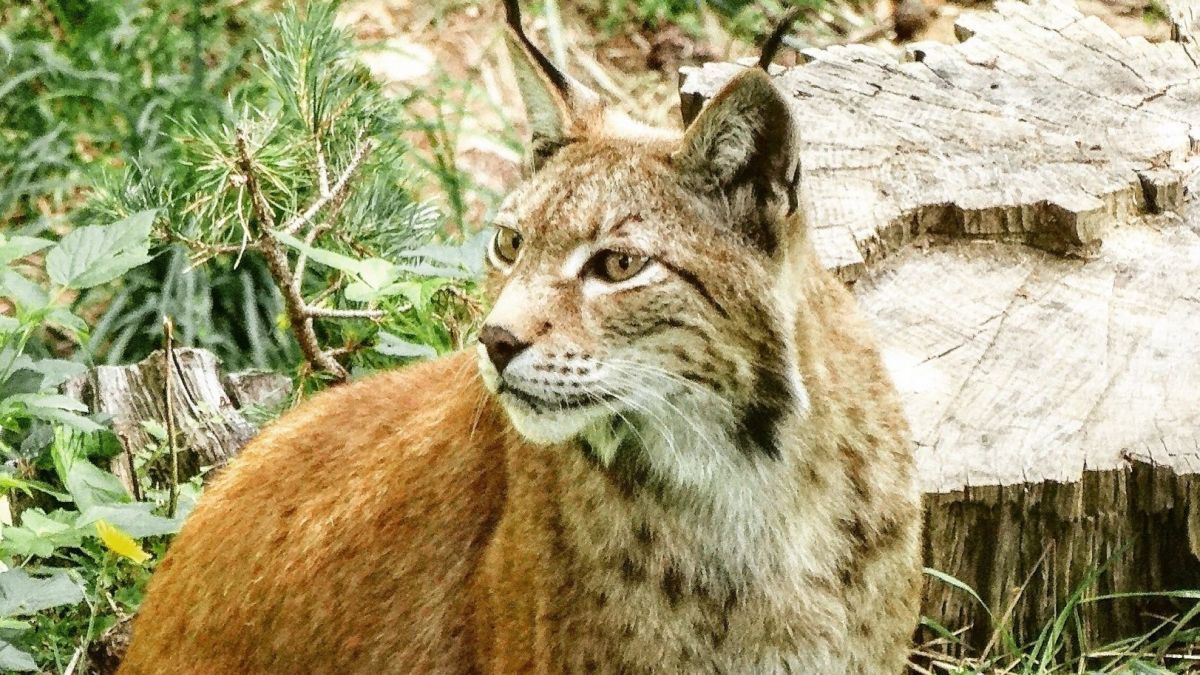
The Iberian Lynx is one of Portugal's rarest creatures. As the name suggests, this species is native to the Iberian Peninsula and can be found in areas with dense shrubbery, forests, grasslands, and meadows near rivers. These cats are solitary animals with short tails, large pointed ears, and long legs that enable them to astonishingly leap over six feet vertically! An adult Lynx can weigh between 20-25 pounds, which is more than twice the weight of an adult domestic cat. The Lynx's fur color changes throughout the year to maintain optimal camouflage, typically appearing reddish yellow or grayish brown.
Another magnificent creature is the Portuguese Imperial Eagle, which also happens to be one of Europe's most endangered birds. This eagle is primarily at risk due to extensive habitat loss caused by human activities, such as construction projects and gradual deforestation. These factors, along with other human-related environmental pressures, have compelled these magnificent raptors to seek alternative locations for survival and breeding.
The Pyrenean Desman is another rare animal found in Portugal. This creature possesses a long nose resembling an anteater's snout, which it uses to search for food such as mollusks, worms, larvae, and crustaceans. The Desman is a small mammal that resides around lakeshores but has also adapted to live near farms and settlements where food is readily available.
Unique Location
Portugal's distinctive geographic location means that it is home to numerous species from North Africa and Europe. Many of Portugal's most threatened fauna are elusive creatures inhabiting forests, wetlands, and rocky areas.
To protect our planet, it is increasingly evident that we must first save the plants and animals. Sustainability and environmental protection have become prominent topics, leading more and more people to strive for eco-friendly lifestyles. Naturally, we all desire to make a positive impact on our world, but can our growing human population truly be sustained in the long run?
As individuals, we can contribute by making small changes such as adopting more sustainable travel practices, reducing our use of harmful plastics, and opting for clothing produced sustainably.
Another significant issue is large-scale food waste, with a staggering 33% to 50% of our food being wasted. Aside from the financial cost, we should consider that all the food we discard requires production, storage, and transportation. Even when we throw it away, the processes involved contribute to the production of additional harmful greenhouse gases. Reducing food waste involves altering our shopping habits, meal planning, and avoiding impulsive purchases. The amount of food supermarkets dispose of is astonishing, indicating a deeply flawed system.
In my opinion, we must all humbly strive to do our best to protect the natural world. We have long recognized the intricate web of life that sustains nature, but we may not always have been mindful of how this web also sustains all of us. It may be challenging to imagine, but we are an integral part of nature's web, and thus, we are equally vulnerable. If we are not careful, we may one day be held responsible for engineering our own downfall. Frankly, prevention is far superior to a cure.


