Home Upload Photo Upload Videos Write a Blog Analytics Messaging Streaming Create Adverts Creators Program
Bebuzee Afghanistan Bebuzee Albania Bebuzee Algeria Bebuzee Andorra Bebuzee Angola Bebuzee Antigua and Barbuda Bebuzee Argentina Bebuzee Armenia Bebuzee Australia Bebuzee Austria Bebuzee Azerbaijan Bebuzee Bahamas Bebuzee Bahrain Bebuzee Bangladesh Bebuzee Barbados Bebuzee Belarus Bebuzee Belgium Bebuzee Belize Bebuzee Benin Bebuzee Bhutan Bebuzee Bolivia Bebuzee Bosnia and Herzegovina Bebuzee Botswana Bebuzee Brazil Bebuzee Brunei Bebuzee Bulgaria Bebuzee Burkina Faso Bebuzee Burundi Bebuzee Cabo Verde Bebuzee Cambodia Bebuzee Cameroon Bebuzee Canada Bebuzee Central African Republic Bebuzee Chad Bebuzee Chile Bebuzee China Bebuzee Colombia Bebuzee Comoros Bebuzee Costa Rica Bebuzee Côte d'Ivoire Bebuzee Croatia Bebuzee Cuba Bebuzee Cyprus Bebuzee Czech Republic Bebuzee Democratic Republic of the Congo Bebuzee Denmark Bebuzee Djibouti Bebuzee Dominica Bebuzee Dominican Republic Bebuzee Ecuador Bebuzee Egypt Bebuzee El Salvador Bebuzee Equatorial Guinea Bebuzee Eritrea Bebuzee Estonia Bebuzee Eswatini Bebuzee Ethiopia Bebuzee Fiji Bebuzee Finland Bebuzee France Bebuzee Gabon Bebuzee Gambia Bebuzee Georgia Bebuzee Germany Bebuzee Ghana Bebuzee Greece Bebuzee Grenada Bebuzee Guatemala Bebuzee Guinea Bebuzee Guinea-Bissau Bebuzee Guyana Bebuzee Haiti Bebuzee Honduras Bebuzee Hong Kong Bebuzee Hungary Bebuzee Iceland Bebuzee India Bebuzee Indonesia Bebuzee Iran Bebuzee Iraq Bebuzee Ireland Bebuzee Israel Bebuzee Italy Bebuzee Jamaica Bebuzee Japan Bebuzee Jordan Bebuzee Kazakhstan Bebuzee Kenya Bebuzee Kiribati Bebuzee Kuwait Bebuzee Kyrgyzstan Bebuzee Laos Bebuzee Latvia Bebuzee Lebanon Bebuzee Lesotho Bebuzee Liberia Bebuzee Libya Bebuzee Liechtenstein Bebuzee Lithuania Bebuzee Luxembourg Bebuzee Madagascar Bebuzee Malawi Bebuzee Malaysia Bebuzee Maldives Bebuzee Mali Bebuzee Malta Bebuzee Marshall Islands Bebuzee Mauritania Bebuzee Mauritius Bebuzee Mexico Bebuzee Micronesia Bebuzee Moldova Bebuzee Monaco Bebuzee Mongolia Bebuzee Montenegro Bebuzee Morocco Bebuzee Mozambique Bebuzee Myanmar Bebuzee Namibia Bebuzee Nauru Bebuzee Nepal Bebuzee Netherlands Bebuzee New Zealand Bebuzee Nicaragua Bebuzee Niger Bebuzee Nigeria Bebuzee North Korea Bebuzee North Macedonia Bebuzee Norway Bebuzee Oman Bebuzee Pakistan Bebuzee Palau Bebuzee Panama Bebuzee Papua New Guinea Bebuzee Paraguay Bebuzee Peru Bebuzee Philippines Bebuzee Poland Bebuzee Portugal Bebuzee Qatar Bebuzee Republic of the Congo Bebuzee Romania Bebuzee Russia Bebuzee Rwanda Bebuzee Saint Kitts and Nevis Bebuzee Saint Lucia Bebuzee Saint Vincent and the Grenadines Bebuzee Samoa Bebuzee San Marino Bebuzee São Tomé and Príncipe Bebuzee Saudi Arabia Bebuzee Senegal Bebuzee Serbia Bebuzee Seychelles Bebuzee Sierra Leone Bebuzee Singapore Bebuzee Slovakia Bebuzee Slovenia Bebuzee Solomon Islands Bebuzee Somalia Bebuzee South Africa Bebuzee South Korea Bebuzee South Sudan Bebuzee Spain Bebuzee Sri Lanka Bebuzee Sudan Bebuzee Suriname Bebuzee Sweden Bebuzee Switzerland Bebuzee Syria Bebuzee Taiwan Bebuzee Tajikistan Bebuzee Tanzania Bebuzee Thailand Bebuzee Timor-Leste Bebuzee Togo Bebuzee Tonga Bebuzee Trinidad and Tobago Bebuzee Tunisia Bebuzee Turkey Bebuzee Turkmenistan Bebuzee Tuvalu Bebuzee Uganda Bebuzee Ukraine Bebuzee United Arab Emirates Bebuzee United Kingdom Bebuzee Uruguay Bebuzee Uzbekistan Bebuzee Vanuatu Bebuzee Venezuela Bebuzee Vietnam Bebuzee World Wide Bebuzee Yemen Bebuzee Zambia Bebuzee Zimbabwe
Blog Image

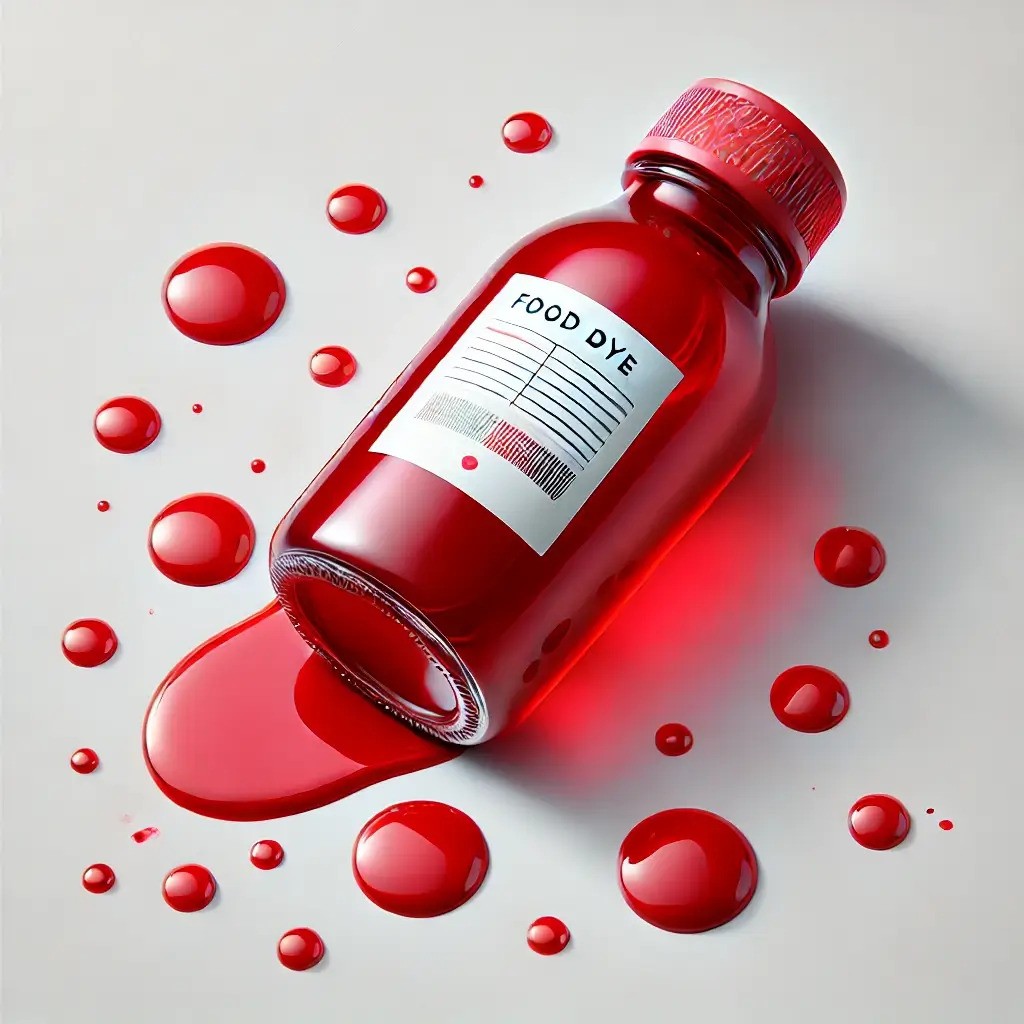
Is Red 40 Safe? Here's What You Should Know

FD&C Red No. 40, commonly known as red 40, is back in the spotlight as lawmakers debate the legality of food dyes in the United States. This synthetic dye, which has been regulated by the U.S. Food and Drug Administration (FDA) since 1971, is widely used by food manufacturers to achieve a vibrant red color in various products. However, recent discussions have raised concerns about its safety, particularly regarding hyperactivity in children and allergic reactions in sensitive individuals.

Why Is Red 40 Being Banned?

California recently became the first state to enact a ban on red 40, with Governor Gavin Newsom signing a bill that prohibits schools from serving foods containing this and five other artificial food dyes. This law is set to take effect on December 31, 2027. The move reflects growing concerns about the potential effects of red 40 on children's behavior, particularly in relation to Attention Deficit/Hyperactivity Disorder (ADHD). While the FDA states that most children do not experience adverse effects from color additives, some studies suggest that certain children may be sensitive to them.

Other states, including New York, Maryland, Illinois, and South Dakota, have also considered similar bans, although none have passed legislation yet. In contrast, the European Union requires products containing red 40 to carry a health warning label indicating that it may affect children's activity and attention. Contrary to some claims, Canada has not banned red 40 but continues to allow its use.

Current Research and Expert Opinions

While nutrition experts do not actively promote the consumption of red 40, many argue that existing research indicates it is safe for adults when consumed in moderation. Some studies have suggested that red 40 may be a carcinogen in animals, but no conclusive evidence has linked it to cancer in humans. Caroline Thomason, a Washington, D.C.-based dietitian, emphasizes that the principle of "dose makes the poison" applies here. Most studies find that red 40 is safe and does not cause reactions for the majority of people, and adverse effects are more likely to occur at high concentrations that are not typically consumed in a standard American diet.

The FDA maintains that color additives, including red 40, are safe when used according to its regulations, which dictate the types of food to which the dye can be added, the allowable amounts, and labeling requirements.

Making Informed Choices

Thomason notes that while current evidence suggests red 40 is generally safe in moderation for most individuals, ongoing research continues to explore its effects. For those who prefer to avoid red 40, many products now offer natural alternatives. Ultimately, the decision to consume products containing red 40 is a personal choice, and consumers are encouraged to read labels and make informed decisions based on their preferences and health considerations.

As discussions around food safety and ingredient transparency continue, it’s essential for consumers to stay informed about the potential impacts of food additives like red 40 and to consider their own health needs when making dietary choices.

Previous Post

Diversified Infectious Disease Therapy Development Solutions

Next Post

Navigating UK Healthcare's Perfect Storm in 2025

Comments