Israel Faces Criticism from European Countries Over Campaign in Lebanon
-
 Loading...
 - Maika Uchida
- 17 Oct 2024
- 54 Views
- 0 Like
- 0 Comment
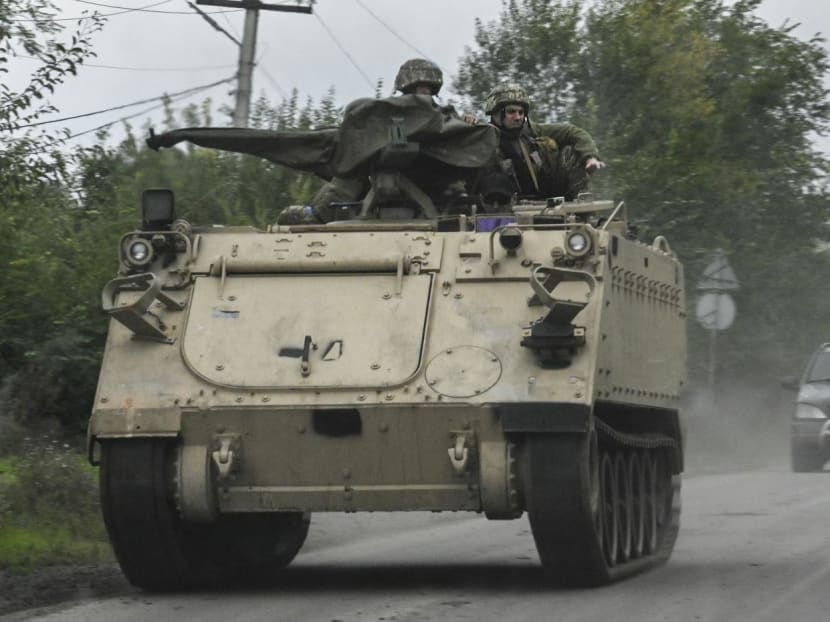
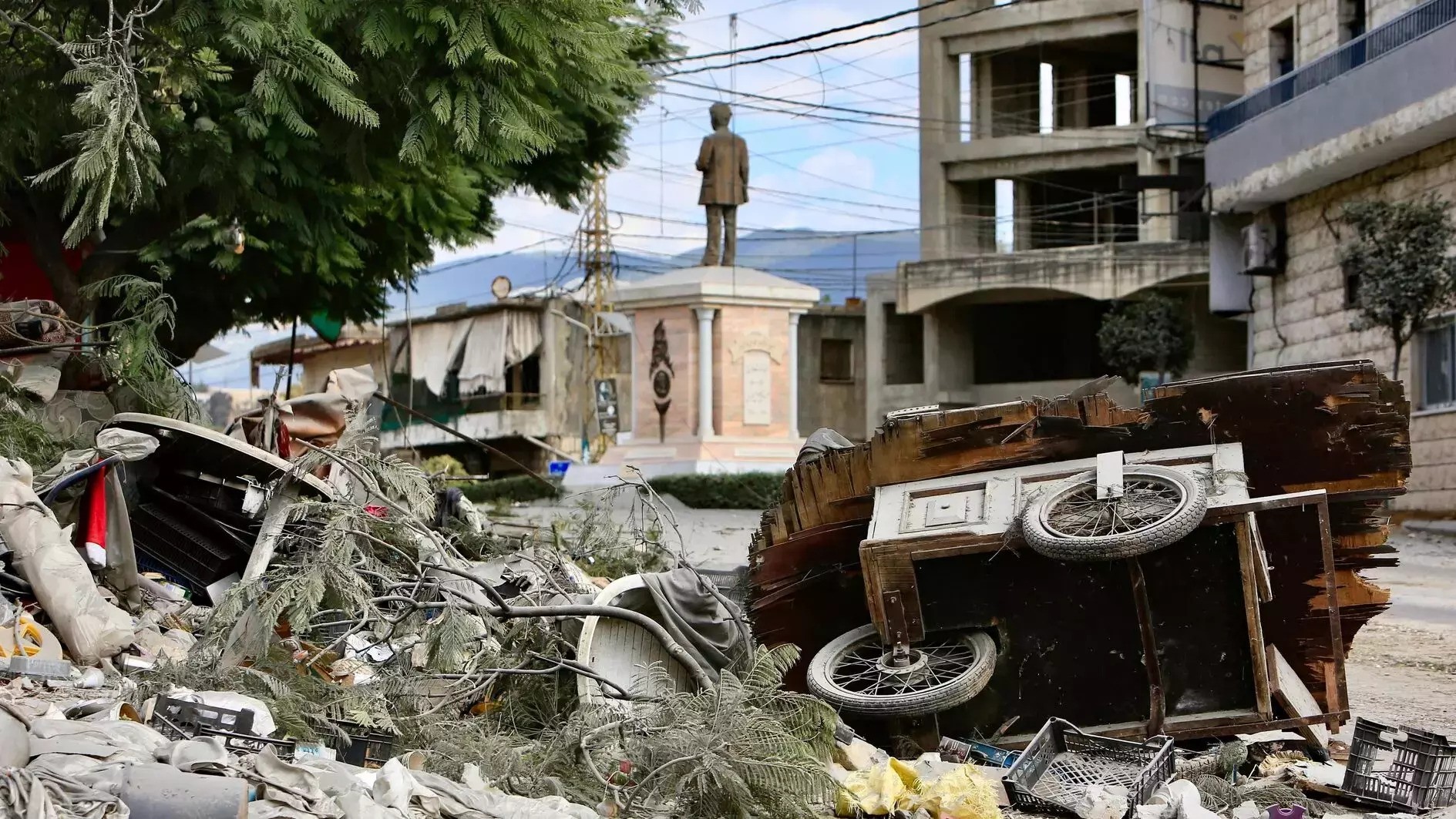
Israel is currently facing significant criticism from several European nations regarding its military operations in Lebanon, particularly in relation to a series of incidents involving the United Nations peacekeeping force, UNIFIL. European Union countries with peacekeepers stationed in Lebanon have expressed a collective determination to exert "maximum political and diplomatic pressure on Israel" to prevent further attacks on the U.N. mission. This statement was made by Italy on October 16, highlighting the urgency of the situation.
Italian Prime Minister Giorgia Meloni, who is scheduled to visit Beirut today, has condemned the attacks on UNIFIL, which includes a substantial number of Italian personnel. The European ministers emphasized the necessity to "review the rules of engagement" for UNIFIL to ensure that it can operate more effectively and safely in the region. The meeting included representatives from France, Italy, Spain, Austria, Croatia, Finland, Greece, Ireland, Latvia, the Netherlands, Poland, Germany, Estonia, Hungary, Malta, and Greek Cyprus.
On the evening of October 16, U.N. peacekeepers reported another incident in which Israeli forces fired at one of their positions in southern Lebanon. This attack was described as "direct and apparently deliberate," resulting in damage to a watchtower.
Adding to the tensions, French President Emmanuel Macron's recent comments have sparked controversy in France. During a cabinet meeting, Macron stated that Israel owes its existence to a U.N. resolution, suggesting that the Israeli state was created by the world body. This assertion has drawn ire from Israeli Prime Minister Benjamin Netanyahu, who countered that Israel's founding was a result of the 1948 Arab-Israeli war, not a U.N. ruling. Macron's remarks have also provoked a strong backlash within France, particularly from Jewish groups and political figures, including members of his own party.
Macron's comments come in the context of his calls for a halt to arms deliveries to Israel, as he criticized the Israeli government's decision to deploy troops to Lebanon. This has further strained relations between France and Israel.
In the United Kingdom, Prime Minister Keir Starmer has indicated that London is considering sanctions against Israeli Finance Minister Bezalel Smotrich and National Security Minister Itamar Ben Gvir due to their controversial remarks regarding civilians in Gaza and West Bank settlers. Starmer described their comments as "abhorrent" and stated that the government is looking into appropriate responses.
Meanwhile, German Foreign Minister Annalena Baerbock confirmed that Berlin received a letter from Israel assuring adherence to "international humanitarian law" when utilizing German-supplied arms. Chancellor Olaf Scholz defended the German government's decision to resume arms exports to Israel, emphasizing the importance of supporting an ally in a volatile region.
As tensions continue to escalate, the international community is closely monitoring the situation, with European nations advocating for a diplomatic resolution and adherence to humanitarian principles in the ongoing conflict.