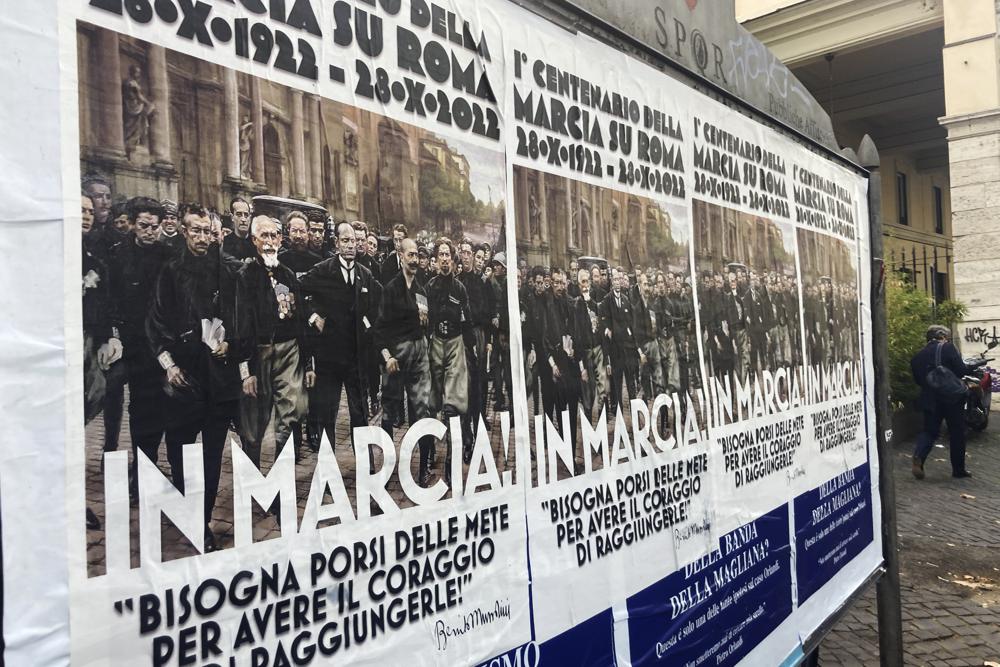
Italy's fascist past under scrutiny a century after putsch
-
 Loading...
 - Naunet Abdo
- 27 Oct 2022
- 74 Views
- 0 Like
- 0 Comment
Italy’s failure to come to terms with its fascist past has become evident as it prepares to mark the 100th anniversary Friday of the March on Rome that brought totalitarian dictator Benito Mussolini to power, a milestone that coincides with the country’s first postwar government led by a party with a neo-fascist roots taking office.
The symbolism looks troubling: Giorgia Meloni’s far-right Brothers of Italy party retains the emblem of a flame used by the fascists; her party’s co-founder, Ignazio La Russa, whose middle name is Benito and whose home office is awash in fascist memorabilia, was elected speaker of Parliament’s upper house.
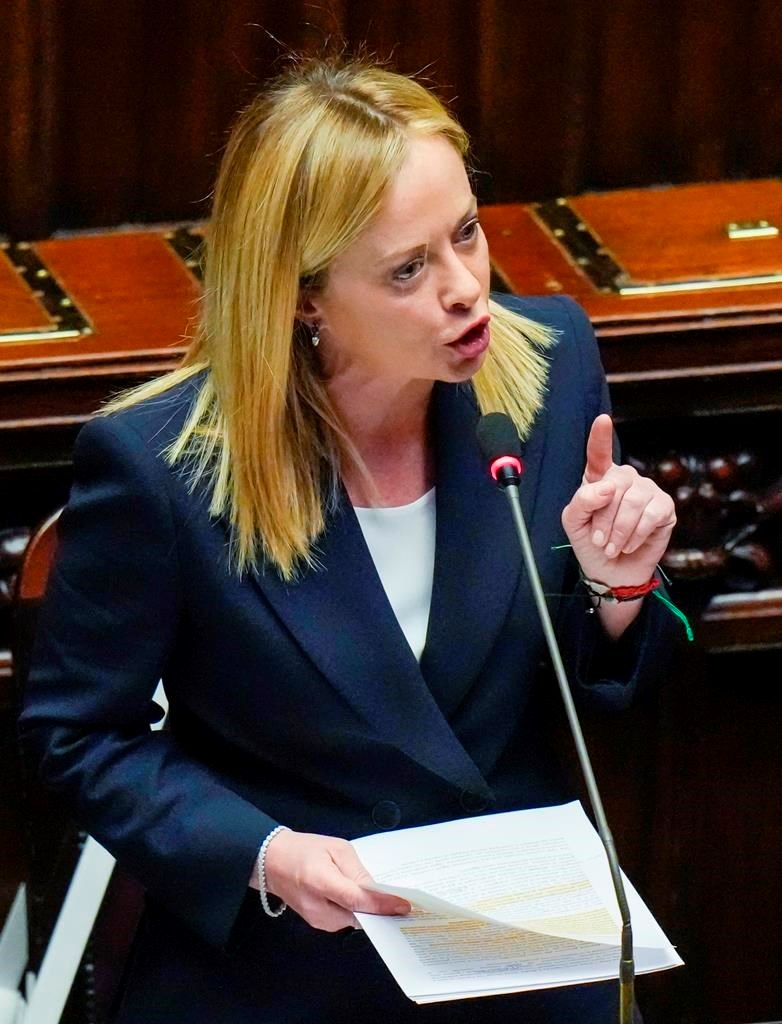
Meloni has tried to distance Brothers of Italy from its neo-fascist roots. She made her clearest statement yet this week during a speech to Italy’s lower house ahead of confidence votes confirming her government.
“I have never felt sympathy or closeness to undemocratic regimes, fascism included, as I have always considered the racial laws of 1938 the lowest point in Italian history, a shame that will mark our people forever,” Meloni told the lower house of parliament Wednesday, referring to Mussolini’s laws that persecuted Italy’s Jewish community.
The question remains, however, whether the moderate voice the premier recently adopted will persevere and if so, how the nostalgic wing of her party that represents a core 4% of her support will tolerate it.
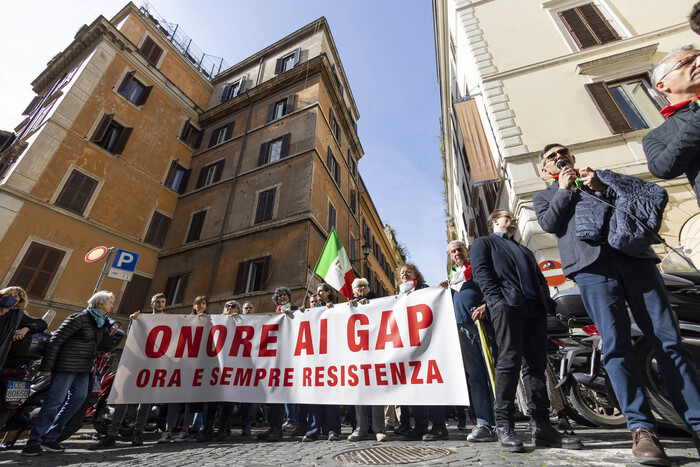
The National Association of Italian Partisans, or ANPI, which preserves the memory of the wartime resistance against fascism, has noted some signs of an emboldened far-right in regions governed by the Brothers of Italy. Read More...