Ivory Coast’s Beloved Staple Food Gains UN Cultural Heritage Status
-
 Loading...
 - Eric Adjetey
- 24 Dec 2024
- 187 Views
- 0 Like
- 0 Comment
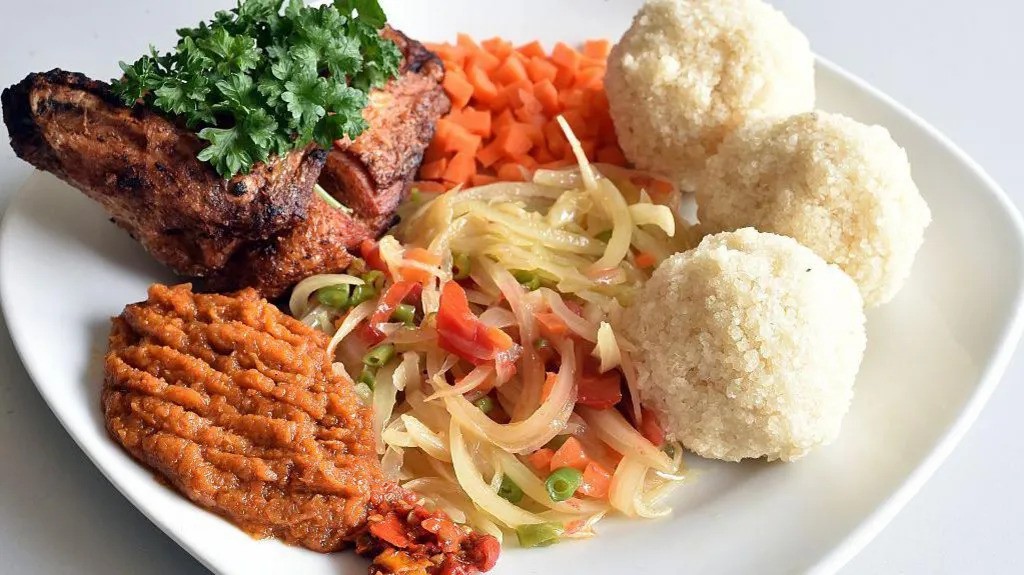
Ivory Coast's cherished staple food, attiéké, has officially been recognized by UNESCO as part of its list of intangible cultural heritage. Attiéké, pronounced "atchekay," is a type of couscous made from fermented cassava flour and is so integral to Ivorian cuisine that many people enjoy it for breakfast, lunch, and dinner.
Often referred to as "Ivorian couscous," attiéké is typically served with grilled fish and has its origins in the coastal regions of Ivory Coast, where it has been a beloved dish for centuries. Its popularity has since spread across West Africa, making it a significant part of the region's culinary landscape.
During the 19th session on safeguarding intangible cultural heritage in Paraguay, Ivory Coast's UNESCO delegate, Ramata Ly-Bakayoko, emphasized that attiéké is "deeply rooted in the daily lives of its communities." The recognition of attiéké alongside other cultural practices, such as Japanese sake, underscores its importance to the Ivorian identity.
Attiéké is not just a meal; it plays a vital role in various ceremonies, including weddings, baptisms, funerals, and community gatherings. Moreover, it serves as a source of livelihood for many, particularly women, who traditionally prepare the dish. The process of making attiéké is labor-intensive and can take several days, involving multiple steps that are steeped in tradition. The skills required to produce attiéké have also been included in the UNESCO heritage listing.
The preparation begins with peeling and grating the cassava root, which is then mixed with previously fermented cassava. The pulp is pressed to remove starch, followed by manual processing, drying, and steaming. Once prepared, attiéké is sold in local markets, typically packaged in plastic bags containing single servings.
At its core, attiéké represents a cultural connection that spans generations. The recipes and methods of preparation are passed down from mothers to daughters, making the dish a pillar of identity for both individuals and the broader Ivorian community. Ms. Ly-Bakayoko noted that attiéké is "a pillar of their identity and that of the whole of Ivory Coast."
UNESCO's list aims to highlight intangible cultural heritage that is at risk, emphasizing the need to protect and preserve traditional practices. The inclusion of attiéké not only showcases its significance to Ivorian culture but also highlights its importance to humanity as a whole.
However, attiéké has also sparked controversy. In 2019, there was public outcry in Ivory Coast when Florence Bassono, the founder of Faso Attiéké from neighboring Burkina Faso, won an award at the Abidjan International Agriculture Show for her version of the dish. Many Ivorians were upset that a foreigner had received recognition for their national dish.
To further protect the integrity of attiéké, the African Regional Intellectual Property Organization registered a collective trademark earlier this year, ensuring that cassava produced in other countries cannot be marketed under the name attiéké—similar to how champagne must originate from the Champagne region of France.
The recognition of attiéké by UNESCO not only celebrates its culinary significance but also reinforces the cultural heritage of Ivory Coast, ensuring that this beloved dish continues to be cherished for generations to come.