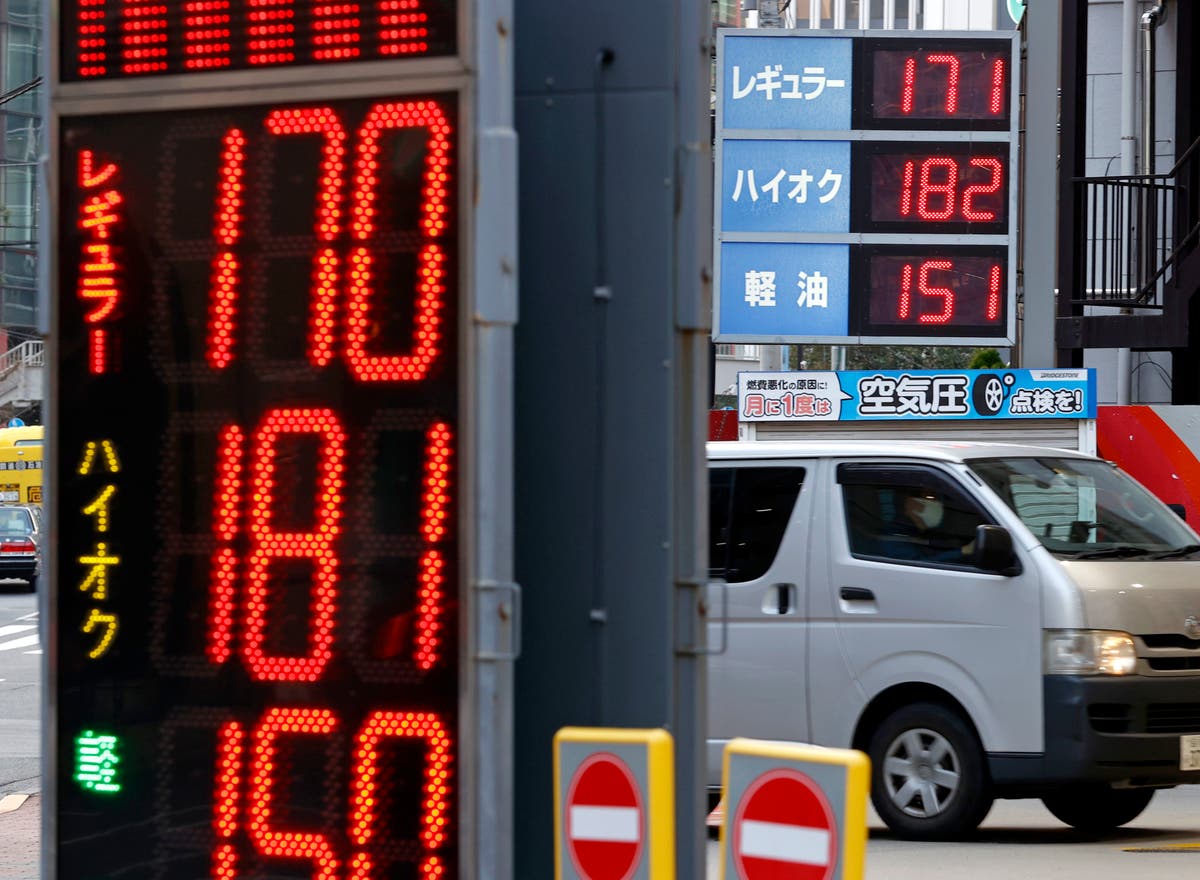
Japan logs ¥412.4 bil trade deficit in March on weak yen, soaring oil prices.
-
 Loading...
 - Aiguo Wang
- 21 Apr 2022
- 301 Views
- 0 Like
- 0 Comment
Japan's weakening yen raised further alarm in Tokyo on Wednesday as the government reported a bigger-than-expected trade deficit largely due to soaring costs for imports of oil, food and other necessities.
The deficit of 412 billion yen ($3.2 billion) for March was lower than the previous month's 670 billion yen but was quadruple analysts' estimates and a reversal of the 615 billion yen surplus recorded a year earlier for the world's third-largest economy.
The weaker yen helps make Japanese exports more competitive overseas and fattens profits when they are converted from dollars to yen, but it also raises costs both for consumers and businesses.
Japan's finance minister, Shunichi Suzuki, and other leaders have expressed concern over the dollar's precipitous climb, saying abrupt changes in exchange rates add to business risks.
Suzuki was due to meet this week with U.S. Treasury Secretary Janet Yellen and discuss currency issues, though it's unclear what if anything Washington would be able to do as the Fed struggles to bring inflation under control.
The Japanese yen has weakened against the dollar as the Federal Reserve has begun raising interest rates to tamp down inflation that is at 40-year highs. Higher rates attract investors who buy dollars and sell other currencies, like the yen.
Despite rising prices for imports, Japan's central bank has kept its key interest rate at minus 0.1% for years, trying to pull the economy out of the doldrums as the country ages and its population shrinks.
Top financial leaders of the Group of 20 industrialized economies are due to meet in Washington on Wednesday on the sidelines of meetings of the International Monetary Fund and World Bank.
"The government will communicate closely with the U.S. and other monetary authorities and respond appropriately," Japan's chief cabinet secretary, Hirokazu Matsuno told reporters Wednesday in Tokyo.
Japan's exports climbed 15% in March to 8.46 trillion yen ($65 billion), helped by a recovery in demand as coronavirus outbreaks wane and governments lift pandemic restrictions on travel and other activity. Imports rose 31% to 8.9 trillion yen ($68 billion).
Imports account for under a fifth of Japan's economic activity but for nearly all of the oil, gas and coal used to power its economy.
Costs for imports of fuels like oil, gas and coal soared just over 80% from a year earlier in March, while imports of food jumped 22% and those of chemicals rose 42%. Meanwhile, Japan's vehicle exports slipped 1.2%, with the number of vehicles shipped overseas dropping more than 14%
Japanese automakers and other manufacturers are struggling with production cuts due to pandemic-related disruptions in supplies of all-important computer chips and other components.
Economists are forecasting a strong rebound once such problems subside. But data show new export orders have fallen recently, suggesting export growth has remained weak in April, Tom Learmouth of Capital Economics said in a report.
"And given that there is no immediate sign of chip shortages easing for carmakers, exports will probably remain weak until later in the year," he said.
Preliminary data for the fiscal year that ended in March showed exports jumped almost 24% but were outpaced by imports, which climbed 33%. The fiscal year deficit of 5.4 trillion yen (nearly $42 billion) was the highest in seven years.
The Bank of Japan has sought to slow the yen's weakening and could rely on the country's massive foreign exchange reserves to sell dollars to buy up yen. But there are limits to that sort of intervention and it's unclear how effective it may be, economists say.
That means Japan is paying more for imports as the war in Ukraine plus rising demand from economies recovering from the pandemic push prices of oil and other commodities higher.
Japan's bill for imports of fuels such as oil, gas and coal surged 87% in the last fiscal year, the figures showed. Read More...