Japan Residences Shrink to Their Smallest in 30 Years
-
 Loading...
 - Aisha Hamid
- 03 Jan 2025
- 48 Views
- 0 Like
- 0 Comment
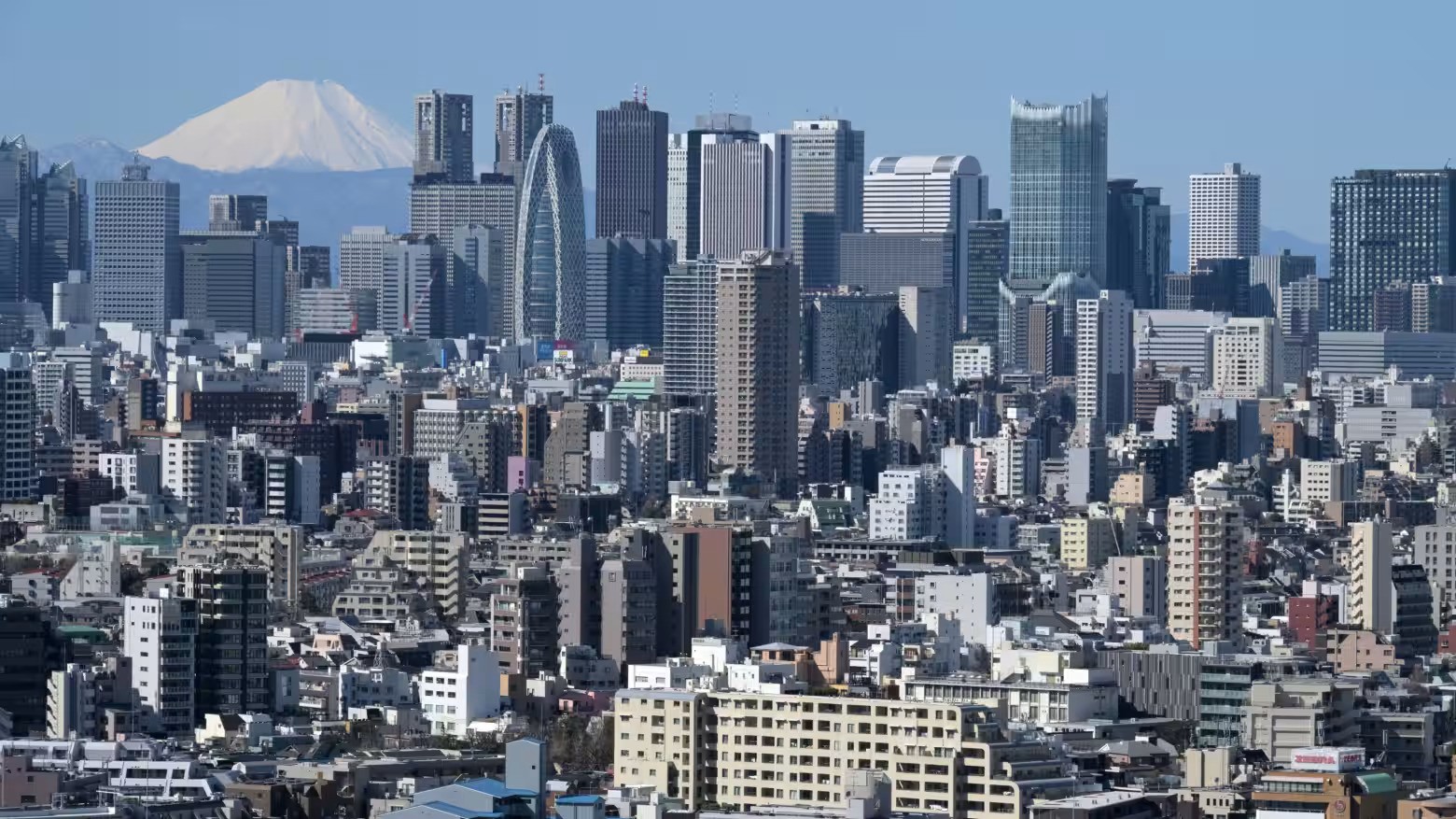
Japan is experiencing a significant trend in residential downsizing, with the average floor space of homes falling to its smallest size in 30 years. According to the latest government survey conducted in 2023, the average area per house is now approximately 92 square meters, a decline of 3 square meters from the peak in 2003. This shift reflects broader economic pressures and changing demographics within the country.
Factors Contributing to Smaller Homes
One of the primary drivers behind the shrinking size of homes is the rising cost of construction. Builders are increasingly designing smaller homes to keep prices manageable and maintain profit margins, effectively implementing what some analysts describe as a "stealth price hike." This trend raises concerns that young people may hesitate to marry and start families if housing options remain cramped.
The Internal Affairs and Communications Ministry's Housing and Land Survey, conducted every five years, indicates that the average size of both single-family homes and multidwelling units, such as condominiums and rental apartments, has decreased compared to the 2018 survey. Notably, multidwelling units now average around 50 square meters, falling short of the 55 square meters deemed necessary for a "comfortable dwelling life" for two adults in urban areas.
Personal Experiences of Residents
The impact of smaller living spaces is palpable among residents. A woman in her 50s shared her experience of living in a rental home measuring only 30 square meters with her husband. Despite considering a move, they found themselves unable to afford a larger home or even a bigger rental in their area. This sentiment is echoed by many, as individuals and families grapple with the limitations of their living conditions.
Changing Demographics and Housing Demand
The national census reveals that one-person households now account for 38% of the total, an increase of 3.5 percentage points since 2020. Despite this growth, many individuals living alone still feel their homes are inadequate for storage and other needs. Tadashi Matsuda, chief researcher at the Real Estate Economic Institute, notes that many people are enduring smaller living spaces that cater more to suppliers' needs than to their own.
The rising cost of construction has compounded these issues, with construction costs now approximately 30% higher than in the base year of fiscal 2015. As land prices continue to rise in desirable residential areas, the affordability of homes is further compromised.
The Impact on Younger Generations
Younger generations are particularly affected by these trends, as they face challenges in entering the housing market. With the return to office work post-COVID-19, the demand for homes with good transportation access has intensified. However, spacious units in convenient locations are increasingly difficult to find.
A woman in her 30s from Yokohama expressed her frustration at the high prices of both new and used condos, highlighting the couple's disagreement over their housing preferences. While she seeks an affordable unit in a suburban area, her husband prioritizes a new home in a desirable location.
Implications for Family Planning
The trend toward smaller homes may have broader societal implications, particularly concerning Japan's declining birth rate. Small living spaces can discourage couples from having the number of children they desire, as they may feel unstable in cramped conditions. Hirokazu Fuchinoue, president of Condominium Asset Management, warns that this situation could exacerbate the already low birth rate in Japan.
The Need for Policy Change
Addressing the trend of shrinking homes through housing policy alone is challenging. While home prices rose during Japan's high-growth era, wages also increased, allowing more people to secure larger homes. Analysts emphasize that stable wage growth in real terms is essential to reversing the current trend of smaller residences.
As Japan grapples with these housing challenges, the need for comprehensive solutions that address both housing affordability and wage growth becomes increasingly critical. Without significant changes, the trend toward smaller homes may continue, impacting the quality of life for many residents and the country's demographic future.